
When your air conditioning unit isn’t working properly, it can feel like a personal crisis. You’re not alone—about 75% of issues can be resolved with simple troubleshooting. Whether it’s a strange noise, weak airflow, or your system blowing hot air, understanding the problem is the first step to fixing it.
This article is here to help. Written in a friendly, coffee-chat style, it’s designed to make you feel understood and empowered. You’ll learn how to identify electrical, refrigerant, and condensate issues, saving you time and money. Plus, we’ll share practical tips to keep your air conditioner running smoothly.
Don’t let a malfunctioning unit ruin your comfort. With expert insights and actionable advice, you’ll be equipped to tackle the most frequent problems. Let’s dive in and get your air conditioning back on track.
Key Takeaways
- About 75% of air conditioning issues can be fixed with troubleshooting.
- Strange noises or weak airflow often indicate specific problems.
- Regular maintenance can improve efficiency by up to 30%.
- Dirty filters reduce airflow by 15-20%, impacting cooling.
- Electrical issues account for 10% of all repair calls.
- Annual inspections can extend your unit’s lifespan by 5-10 years.
- Upgrading to an energy-efficient model can cut energy costs by 20-50%.
Opening: Facing AC Challenges and Finding Quick Solutions
Ever felt that warm breeze when you expected cool air? It’s frustrating, especially during a heatwave. Your air conditioner is supposed to bring relief, but when it fails, it disrupts your home comfort. You’re not alone—many face this problem at some point.
Before you panic, there are simple fixes you can try. Start by checking the thermostat. Is it blank or set incorrectly? Resetting it might solve the issue. Next, inspect the circuit breaker. A tripped breaker is a common culprit when your unit won’t turn on.
- Reset the thermostat to the correct settings.
- Check the circuit breaker and flip it back on if tripped.
- Inspect the air filter—dirty filters can block airflow.
These steps can save you time and money. If the unit still isn’t cooling, it might be time to call a professional for a repair. Remember, you’re not alone in this—we’re here to guide you every step of the way.
Grasping the Basics: How Your AC System Works
Your air conditioner is like a well-oiled machine, with each part playing a vital role. Think of it as a finely tuned orchestra—every component works together to keep your home cool and comfortable. Understanding how these parts function can help you troubleshoot issues and keep your system running smoothly.
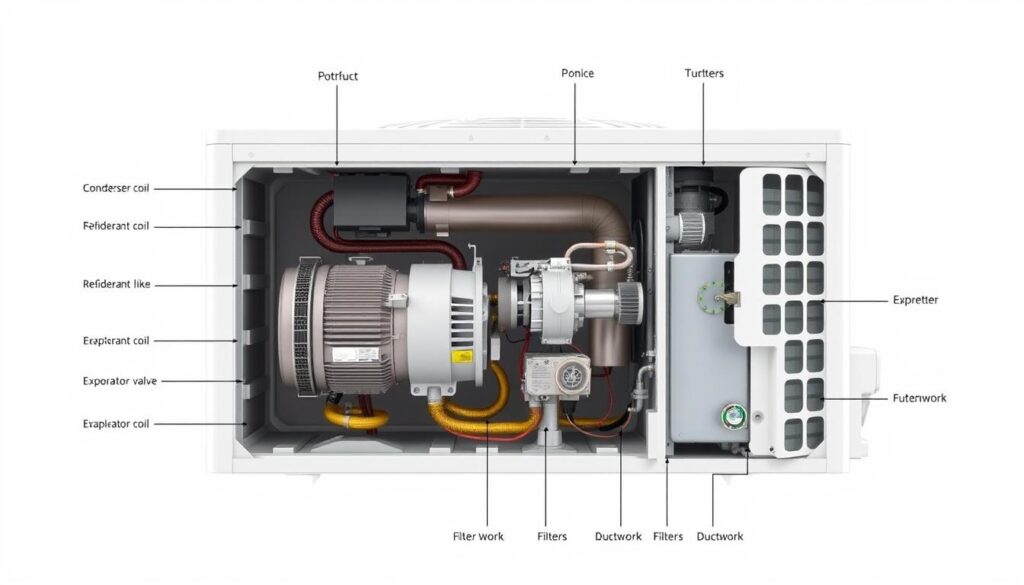
Inside the Sealed System: Components at a Glance
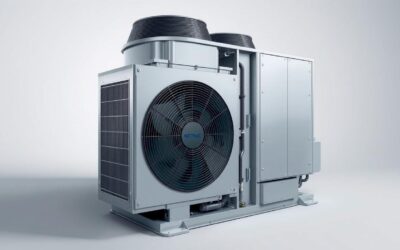
The heart of your air conditioner is the sealed system. This includes the evaporator, condenser, and compressor. The evaporator absorbs warm air from your home, while the condenser releases heat outside. The compressor acts as the engine, keeping the refrigerant flowing. Together, they create the cooling effect you rely on.
Understanding the Role of the Evaporator and Condenser
The evaporator is like a sponge, soaking up heat from your indoor air. It turns the refrigerant into a cool gas, which then travels to the condenser. Here, the heat is expelled outside, and the refrigerant returns to liquid form. This cycle repeats to maintain your home’s comfort.
Keeping your system well-maintained is key. A clean air filter ensures proper airflow, while regular tune-ups can extend your unit’s lifespan. Simple steps like these can save you from unexpected issues and keep your air conditioning efficient.
Your common ac repairs guide: Identifying Electrical Hurdles in Your AC
Electrical issues can turn your cool haven into a frustrating mess. When your air conditioner starts acting up, it’s often due to problems in its electrical system. From buzzing noises to a tripped breaker, these signs shouldn’t be ignored. Understanding the clues can save you time and money.

Spotting Bad Capacitor Clues with Ease
Is your outdoor unit making a buzzing or humming sound? This could mean a bad capacitor. The capacitor helps start the motor, and when it fails, your air conditioner struggles to function. Ignoring this issue can lead to bigger problems, like a complete system shutdown.
Here’s what to do:
- Listen for unusual noises from the outdoor unit.
- Check if the fan is spinning slowly or not at all.
- Call a professional for service if you suspect capacitor failure.
Troubleshooting Tripped Breakers and Electrical Faults
A tripped breaker is another common electrical issue. It happens when your system draws too much power. Start by checking the circuit breaker panel. If it’s tripped, flip it back on. If it trips again, there might be a deeper problem.
Here are some steps to follow:
- Inspect the breaker panel for tripped switches.
- Ensure all power switches for the unit are on.
- Look for loose or damaged wiring.
Pro tip: Regular maintenance can prevent these issues. Keeping your air conditioner in top shape ensures efficient cooling and fewer headaches.
Diagnosing Refrigerant Issues: Low Levels and Leaks Uncovered
If your home feels warmer than usual, even with the air conditioner running, it might be a refrigerant issue. Refrigerant is the lifeblood of your cooling system, and when levels drop, your unit struggles to keep up. Think of it like a slow-dripping faucet—small leaks can lead to big problems over time.
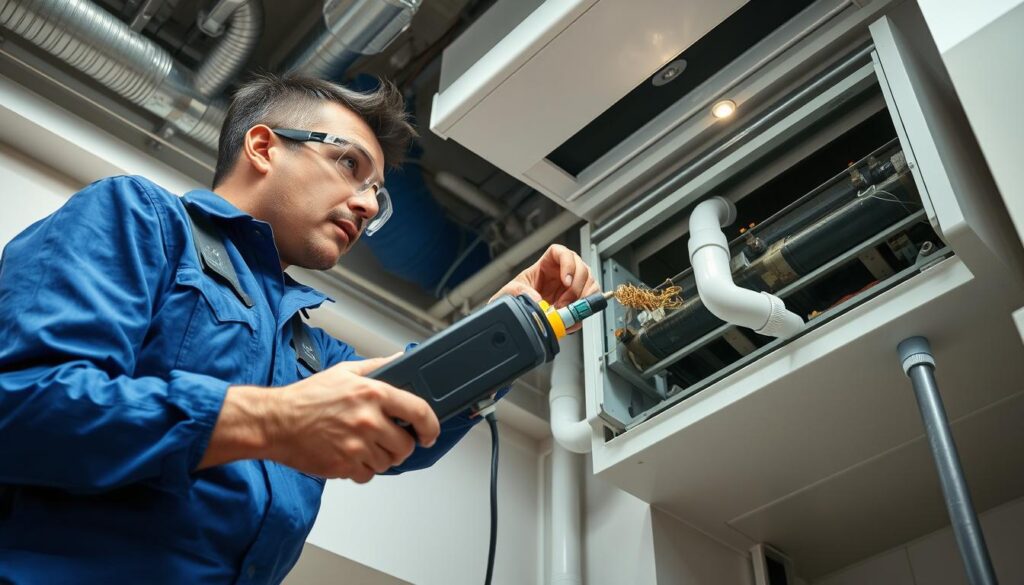
Warning Signs of Low Refrigerant and System Strain
Low refrigerant levels force your system to work harder, leading to longer running times and higher energy bills. You might notice your air conditioner can’t reach the set temperature, or it cycles on and off more frequently. These are clear signs of strain.
Another red flag is ice buildup on the evaporator coil. This happens because the refrigerant isn’t absorbing enough heat, causing moisture to freeze. If you see ice, it’s time to call a professional for a repair.
How Refrigerant Leaks Impact Home Cooling Efficiency
Refrigerant leaks are a serious problem that can compromise your home’s comfort. Leaks often occur in the evaporator coil or refrigerant lines, and they can lead to a complete system breakdown if ignored. Addressing leaks early can save you from costly repairs.
Here’s a quick breakdown of the financial impact:
| Issue | Cost |
|---|---|
| Refrigerant Recharge | $150-$300 |
| Leak Detection & Repair | $200-$1,500 |
| System Replacement | $3,000-$7,000 |
Regular maintenance can help prevent these issues. Schedule a professional inspection to check refrigerant levels and detect leaks before they escalate. A well-maintained air conditioner keeps your home cool and your wallet happy.
Tackling Condensate Drain Problems: Managing Moisture Effectively
Moisture buildup in your air conditioning system can lead to unexpected issues. One of the most frequent culprits is a clogged condensate drain. When this happens, water can back up, causing potential damage to your home and disrupting your comfort.
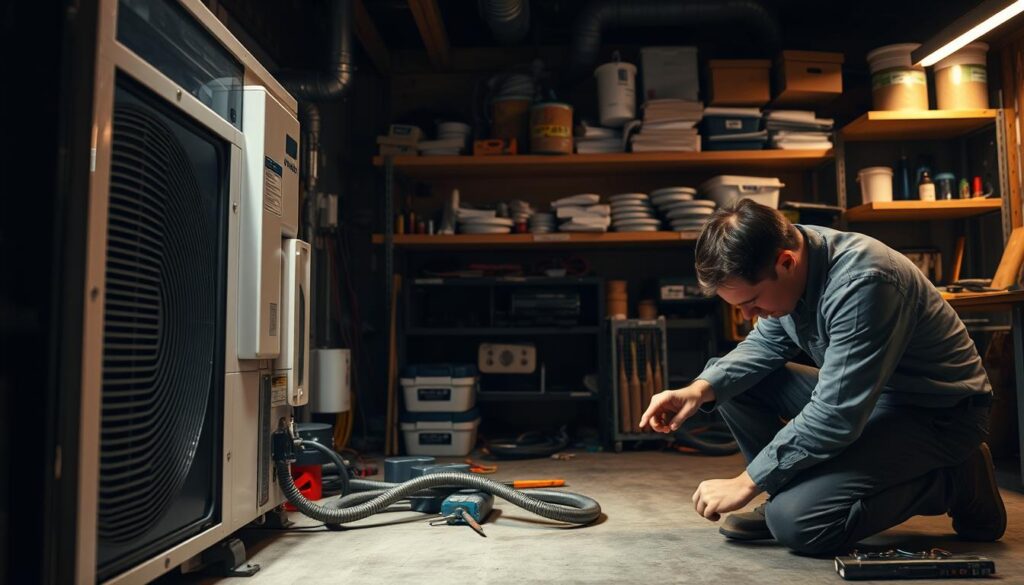
Over time, algae and debris can accumulate in the drain line, leading to blockages. This buildup prevents water from flowing out properly, causing it to pool in the secondary drain pan or even shut off your thermostat. Addressing this promptly can save you from costly repairs and water damage.
Detecting and Clearing Clogged Drain Lines
If you notice water pooling around your air conditioning unit or your thermostat goes blank, it’s time to check the condensate drain. Start by inspecting the drain pan for standing water. This is a clear sign of a clog.
Next, observe the SS2 safety switch. If it’s triggered, it means the secondary drain pan is full, indicating a backup. For minor clogs, you can use compressed air to clear the line. However, if the issue persists, it’s best to call a professional for thorough cleaning.
Here are a few steps to keep your condensate drain clear:
- Regularly inspect the drain pan for water buildup.
- Use a wet/dry vacuum to remove debris from the drain line.
- Consider installing drain pan treatments to prevent algae growth.
Managing moisture effectively is key to maintaining your air conditioning system’s efficiency. By addressing clogs early, you can prevent further problems and ensure your home stays cool and comfortable.
Evaluating Blower Motor and Ductwork: Ensuring Robust Airflow
Good airflow is the backbone of a comfortable home, but when it falters, you’ll notice right away. Whether it’s a faint noise or uneven cooling, these signs often point to issues with your blower motor or ductwork. Addressing these problems early can save you from bigger headaches down the road.
Recognizing Early Symptoms of Blower Motor Failure
Your blower motor is crucial for circulating air throughout your home. When it starts to fail, you might hear unusual sounds like grinding or squeaking. These noises are often the first clue that something’s wrong.
Another sign is reduced airflow. If your rooms feel stuffy or the system struggles to maintain temperature, the motor might be under stress. Ignoring these symptoms can lead to higher energy bills and even system failure.
Here’s what to watch for:
- Grinding or squeaking noises from the unit.
- Weak or uneven airflow in your home.
- Higher energy bills due to the motor working harder.
Maintaining Ductwork for Uninterrupted Air Distribution
Your ductwork plays a key role in delivering air to every room. Over time, dust and debris can build up, blocking airflow and reducing efficiency. Regular cleaning can prevent these issues and keep your home comfortable.
Leaks in the ducts are another common problem. They can cause air to escape, making your system work harder and increasing energy costs. Sealing these leaks can improve performance and save you money.
Here are some maintenance tips:
- Inspect ducts annually for leaks or blockages.
- Clean ducts every 3-5 years to remove dust and debris.
- Seal any leaks with duct tape or mastic sealant.
By keeping your blower motor and ductwork in good shape, you’ll ensure efficient airflow and a comfortable home. Regular maintenance is the key to avoiding costly repairs and keeping your system running smoothly.
Proactive Maintenance: Preventing Major AC Failures Before They Escalate
Taking care of your cooling system before problems arise can save you time, money, and stress. Regular upkeep ensures your air stays fresh and your home remains comfortable. By staying ahead of potential issues, you can avoid sudden breakdowns and costly repairs.
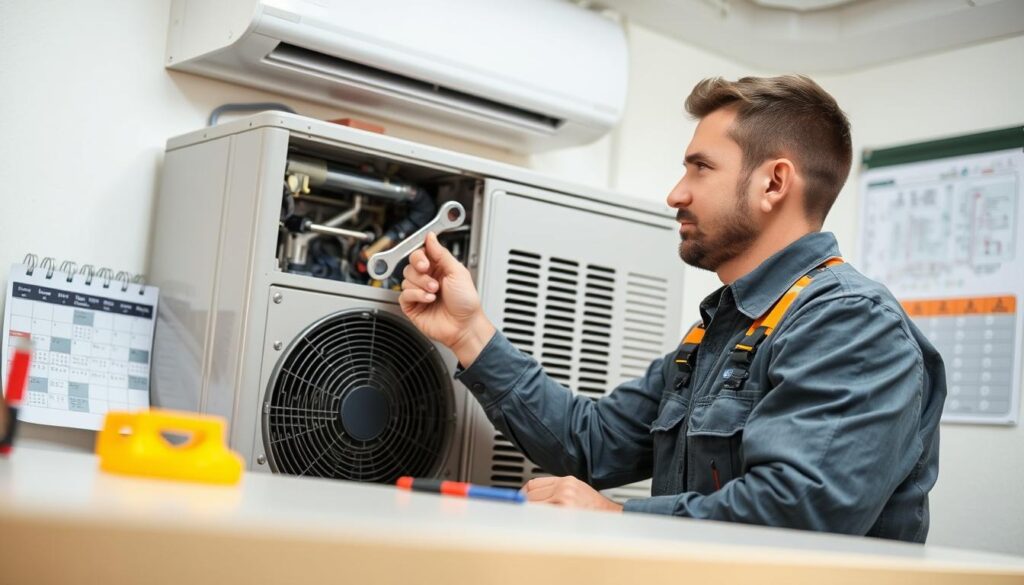
Think of maintenance as an investment in your home’s comfort. A well-maintained system runs efficiently, reduces energy bills, and extends its lifespan. Here’s how you can stay proactive and keep your cooling system in top shape.
Scheduling Routine Tune-Ups and Cleaning Air Filters
Annual tune-ups are a must for any cooling system. A professional service can identify minor issues before they escalate. During a tune-up, technicians check refrigerant levels, inspect electrical connections, and clean essential components. This ensures your system runs smoothly year-round.
Don’t forget about your filter. A dirty filter restricts airflow, forcing your system to work harder. Replace or clean it every 30-90 days, depending on usage. This simple step can improve efficiency by up to 15% and prevent strain on your unit.
Here’s a quick comparison of maintenance costs versus repair expenses:
| Service | Cost |
|---|---|
| Annual Tune-Up | $75-$200 |
| Filter Replacement | $10-$30 |
| Major Repair | $500-$2,000 |
By investing in routine maintenance, you can avoid the higher costs of unexpected repairs. Pro tip: Schedule your tune-up before the summer heat hits to ensure your system is ready for peak performance.
Regular upkeep not only saves money but also improves your home’s comfort. A well-maintained system delivers consistent cooling, reduces energy consumption, and extends its lifespan by 5-10 years. Take charge of your cooling system today and enjoy uninterrupted comfort for years to come.
Wrapping Up: Turning Troubleshooting Into Long-Term Comfort
Keeping your home cool and comfortable doesn’t have to be a challenge. By addressing issues early—whether it’s a faulty motor, low refrigerant, or a clogged drain—you can save time and money. Regular maintenance is your best defense against unexpected breakdowns.
Remember, small steps like cleaning filters and scheduling annual check-ups can make a big difference. If you notice warning signs, don’t wait—call a professional within the hour. Sharing your troubleshooting successes can also help others facing similar problems.
Your unit is the heart of your home’s comfort. With informed choices and proactive care, you’ll enjoy reliable cooling for years to come. Think of it as chatting over coffee with a knowledgeable friend—simple, friendly, and effective.
FAQ
How do I know if my AC capacitor is failing?
What should I do if my AC breaker keeps tripping?
What are the signs of low refrigerant in my AC?
How can I prevent my condensate drain from clogging?
What are the symptoms of a failing blower motor?
How often should I clean or replace my air filter?
Why is my AC making strange noises?
How can I improve my AC’s energy efficiency?
What should I do if my AC is leaking water?
How long does an AC unit typically last?
Source Links
- How to Repair AC: Troubleshoot and Fix Common Air Conditioner Problems at Home
- Your Guide to the Most Common Air Conditioning Issues | Wagner
- 11 Common Air Conditioning Problems and How to Fix Them
- Air Conditioner Troubleshooting: 5 Common Issues – Trane®
- Understanding Your Air Conditioner: A Simple Guide to Its Parts and Function
- Central Air Unit Not Working: Your Ultimate Troubleshooting Guide
- AC not cooling? Let’s troubleshoot step by step.
- Troubleshooting Common Issues: Expert AC Repair Guide
- 7 Signs Your Outside AC Unit Is Dead & How To Revive It
- Air Conditioner Breaker Keeps Tripping: What To Do
- Common Air Conditioner Problems
- A Heating And AC Repair Company’s Guide To Refrigerant Leaks | Fort Worth, TX – One Hour Air Conditioning & Heating Fort Worth TX & North Dallas / Plano Area. Gladly servicing the Fort Worth and North Dallas Area.
- Air Conditioner Condensate Drain Pipe Maintenance Tips – Excel Mechanical
- The Complete Guide to Handling Air Conditioner Condensation | SoCool Pte Ltd
- A Complete Actionable Guide On How To Replace An HVAC Blower Motor From Your Heating And AC Repair Company – One Hour Air Conditioning & Heating Fort Worth TX & North Dallas / Plano Area. Gladly servicing the Fort Worth and North Dallas Area.
- HVAC Airflow Problems: 12 Common Causes & How to Fix Them
- HVAC Failure: Your Ultimate Guide to Prevention
- Professional Tips for Maintaining Your AC System and Avoiding Issues | Chills AC
- The Ultimate Guide to AC Repair: Everything You Need to Know
- Unlocking the Secrets of Efficient Heating and AC Repair: A Comprehensive Guide – One Hour Air Conditioning & Heating Fort Worth TX & North Dallas / Plano Area. Gladly servicing the Fort Worth and North Dallas Area.
- HVAC Troubleshooting: DIY Fixes for Common Issues


0 Comments