
Are you struggling with fluid control in your HVAC system? You’re not alone. Many face challenges in selecting the right components for efficient operation. This guide is here to simplify the process, offering practical insights into solenoid valves and their role in HVAC systems.
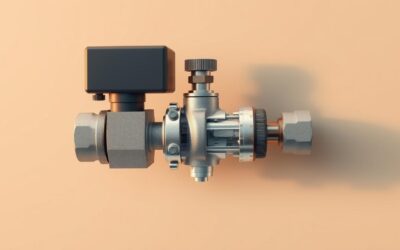
These devices are essential for managing flow and pressure in your equipment. They work by using a magnetic field to control the movement of a plunger, which opens or closes the valve. Understanding their operation can help you make informed decisions for your system.
Whether you’re dealing with water or other media, choosing the right valve is crucial. Direct acting valves are ideal for small applications, while pilot operated ones require a minimum pressure differential of 1 psi to function properly1. By focusing on system capacity rather than just line size, you can avoid common issues like undersizing1.
This guide combines technical details with real-world examples to empower you. Let’s dive in and make fluid control in your HVAC system a breeze.
Key Takeaways
- Solenoid valves are critical for controlling flow and pressure in HVAC systems.
- Direct acting valves are best for small applications or low-pressure differentials.
- Pilot operated valves need a minimum pressure differential of 1 psi to function.
- Selecting valves based on system capacity prevents undersizing issues.
- Understanding valve types and their operation can improve HVAC efficiency.
Opening: Solving Your HVAC Fluid Control Challenges
Ever felt like your HVAC system has a mind of its own? One day it’s working perfectly, and the next, it’s giving you inconsistent temperatures or strange noises. These frustrations are all too common in HVAC systems, especially when it comes to managing fluid control. But don’t worry—you’re not alone, and there are practical solutions to these challenges.
Sharing Practical, Coffee Table Insights
Imagine this: It’s a hot summer day, and your HVAC system is struggling to keep up. You notice some rooms are too warm, while others are freezing. The culprit? Often, it’s an issue with the flow and pressure regulation in your system. Many HVAC professionals face these same problems daily, and the key to solving them lies in understanding your equipment better.
For instance, a faulty actuator or miscalibrated component can cause temperature inconsistencies and hot/cold spots in spaces2. These issues not only disrupt comfort but also lead to higher energy bills. By addressing these problems promptly, you can restore efficiency and reliability to your system.
Identifying Your Common HVAC Frustrations
What are the most common signs of HVAC fluid control issues? Here’s a quick checklist:
| Symptom | Possible Cause |
|---|---|
| Inconsistent temperatures | Faulty actuator or miscalibrated valve2 |
| Unusual noises (hissing, whistling) | Improper valve seating or refrigerant leaks2 |
| Increased energy bills | System overworking due to valve issues3 |
| Reduced airflow | Valve not opening fully or blockages2 |
These symptoms can be frustrating, but they’re also your system’s way of signaling that something needs attention. By understanding these signs, you can take proactive steps to maintain your HVAC system’s performance.
Ready to dive deeper? In the next section, we’ll explore the fundamentals of how these components work in your system and how you can make informed decisions to keep everything running smoothly.
Understanding the Fundamentals of Solenoid Valves in HVAC Systems
Have you ever wondered how your HVAC system manages fluid flow so precisely? The answer lies in a small but powerful component: the solenoid valve. These devices are the backbone of fluid control, ensuring your system operates smoothly and efficiently.
How Does a Solenoid Valve Work in Your System?
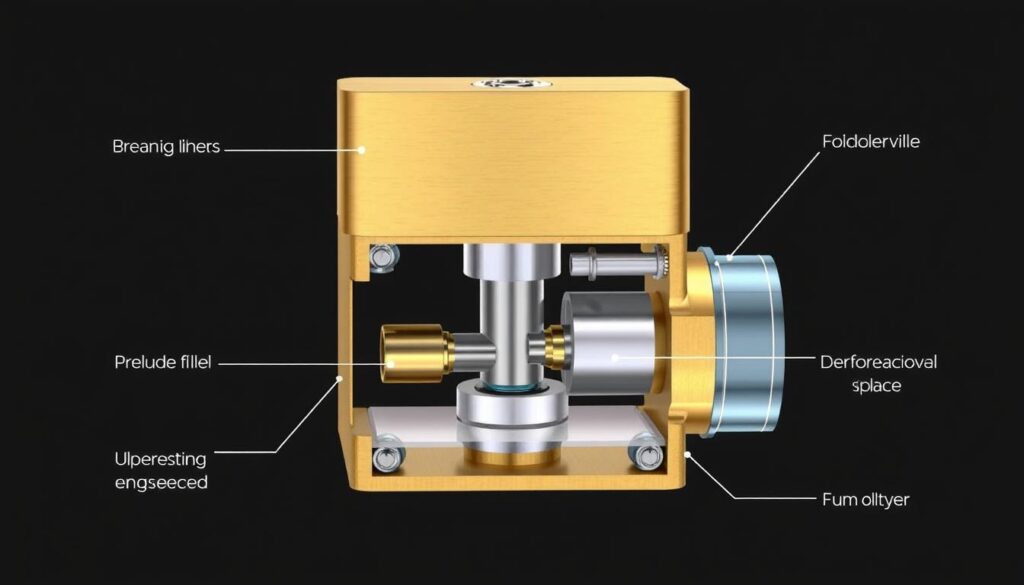
At its core, a solenoid valve is like a well-rehearsed dance between electric energy and mechanical motion. When an electrical signal is sent to the coil, it generates a magnetic field. This field moves the plunger, opening or closing the valve to regulate flow and pressure in your system4.
This mechanism is essential for maintaining consistent temperatures and preventing energy waste. For example, a properly functioning valve ensures that water or refrigerant flows only when needed, reducing unnecessary strain on your HVAC equipment5.
Exploring Normally Open Versus Normally Closed Designs
Not all solenoid valves are created equal. There are two primary designs: normally open (NO) and normally closed (NC). A normally open valve allows maximum flow when not energized, while a normally closed one restricts flow until it receives an electrical signal4.
Here’s a quick comparison to help you understand their applications:
| Design | Function | Best Use Case |
|---|---|---|
| Normally Open (NO) | Allows flow when not energized | Systems requiring constant flow |
| Normally Closed (NC) | Restricts flow until energized | Systems needing controlled flow |
Choosing the right design depends on your system’s needs. For instance, NO valves are ideal for applications where flow must continue during power outages5.
Unpacking Advanced and Complex Valve Technologies
Modern solenoid valves go beyond basic on/off functionality. Advanced models offer features like proportional flow control and pressure modulation. These technologies allow for precise adjustments, optimizing system performance and energy efficiency4.
For example, proportional valves can adjust flow rates based on input signals, making them perfect for applications requiring fine-tuned control. This level of precision can reduce energy consumption by up to 20%, saving you money in the long run5.
Understanding these fundamentals is key to optimizing your HVAC system. Whether you’re troubleshooting issues or planning an upgrade, knowing how these components work empowers you to make informed decisions.
Solenoid Valve Guide: Expert Tips on Selection and Compatibility
Navigating the complexities of HVAC fluid control doesn’t have to be stressful. With the right selection and compatibility considerations, you can ensure your system operates efficiently and reliably. Let’s break down the key factors to help you make the best choice for your HVAC application.
Assessing Fluid Types and Environmental Considerations
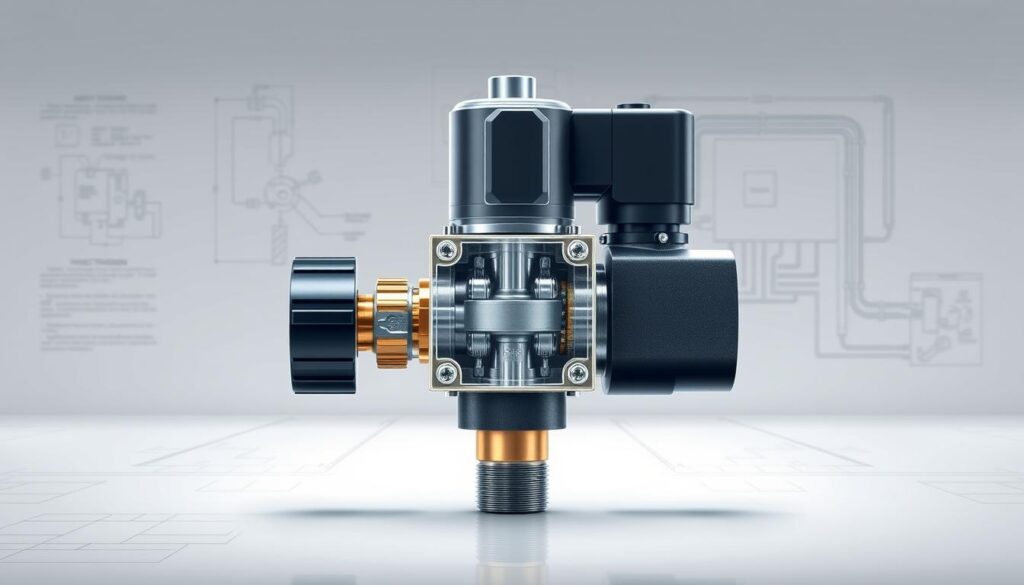
Start by evaluating the type of fluid your system handles. Whether it’s water, refrigerant, or another medium, the valve materials must be compatible to prevent corrosion or chemical reactions. For example, stainless steel is ideal for corrosive environments, while brass works well for standard applications6.
Environmental factors like temperature extremes and humidity also play a role. Up to 40% of failures are attributed to improper environmental compatibility7. Ensure the valve can withstand the operating conditions of your system to avoid premature wear and tear.
Determining the Right Size, Flow, and Pressure Requirements
Matching the valve size to your system’s demands is crucial. Oversizing or undersizing can lead to inefficiencies, such as excessive pressure drop or insufficient flow6. Use the valve’s CV rating—a measure of its flow capacity—to ensure it meets your system’s needs.
Consider the pressure range as well. A properly selected valve can reduce pressure drop by up to 30%, improving overall system performance7. Always refer to manufacturer guidelines or consult an expert to avoid common selection pitfalls.
By focusing on these factors, you can ensure your HVAC system runs smoothly and efficiently. Proper selection not only enhances performance but also extends the lifespan of your equipment.
Operation, Maintenance, and Troubleshooting Insights for HVAC Solenoid Valves
Small maintenance steps can make a big difference in your HVAC system’s efficiency. By focusing on timely care and proactive troubleshooting, you can prevent costly repairs and ensure smooth operation. Let’s explore how to enhance performance and address common issues effectively.
Enhancing Performance with Timely Maintenance
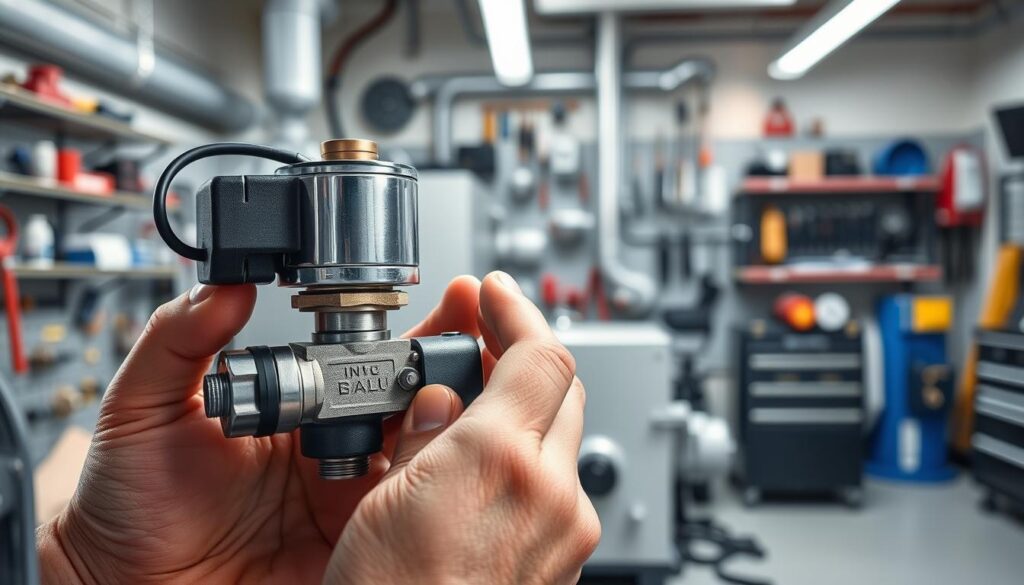
Regular maintenance is the key to keeping your system reliable. Start by inspecting electrical connections and cleaning debris from the valve. Contaminants in the fluid can clog the mechanism, preventing it from fully opening or closing8.
Visual inspections are essential. Look for signs of wear or damage, such as cracks or corrosion. Electrical testing, like measuring coil resistance, ensures the valve operates correctly8. These simple steps can extend the lifespan of your equipment and improve system reliability.
Practical Troubleshooting Techniques and Real-World Examples
When issues arise, a structured approach can save time and money. For instance, if the compressor stays running longer than two minutes after the evaporator is shut off, it may indicate a valve problem9. Use a multimeter to check for electrical faults or a pressure gauge to identify mechanical issues.
Here’s a quick guide to common problems and solutions:
- Insufficient pressure: Check for blockages or worn-out seals8.
- Erratic flow: Inspect the valve for debris or misalignment.
- Improper actuation: Test the solenoid coil for continuity and resistance8.
Real-world examples show how proactive maintenance prevents downtime. For instance, a facility reduced repair costs by 30% after implementing a routine testing schedule8. By following these steps, you can keep your system running efficiently and avoid unexpected breakdowns.
Conclusion
Understanding the role of fluid control in your HVAC system can transform its performance. By focusing on proper selection and compatibility, you ensure efficient operation and avoid common issues like inconsistent temperatures or energy waste10.
Regular maintenance is key to keeping your system reliable. Inspect connections, clean debris, and test electrical components to prevent leaks and ensure consistent flow11. These small steps can save you from costly repairs down the line.
Take action today by assessing your system’s needs. Use this guide as a trusted resource to make informed decisions and improve performance. Whether it’s handling water or managing pressure, the right approach ensures your HVAC system runs smoothly.
Empower yourself with knowledge and keep learning. Your system’s efficiency depends on it, and this guide is here to support you every step of the way.
FAQ
How do I choose the right solenoid valve for my HVAC system?
What’s the difference between normally open and normally closed designs?
How can I maintain my solenoid valve for better performance?
What are common issues with solenoid valves in HVAC systems?
Can I use the same valve for water and other fluids?
How do I determine the correct size for my valve?
Source Links
- HVAC Solenoid Valve Sizing | HVAC Know It All
- HVAC Valve Troubleshooting Guide
- HVAC Valves: How to Troubleshoot Common Issues – HVAC Technocrats
- What is a Solenoid Valve and how does it work? | RS
- A Short Guide to Solenoid Valves: Frequently Asked Questions
- Selecting the Right ASCO Solenoid Valve for Your Industrial Needs
- Choose Your Solenoid Valve | Custom Solenoid Valves
- How To Test A Solenoid Valve? | Tips
- TRAINING PORTAL
- What is a Solenoid Valve: Your Comprehensive Guide
- Solenoid Valves – A Complete Guide On How They Work


0 Comments