Modern HVAC systems face challenges in energy efficiency and air quality. Choosing the right technology can make a significant difference. Variable speed technology adjusts to precise air demand, reducing energy costs by 35%-50%1. This approach not only saves money but also enhances comfort and indoor air quality.
Unlike traditional systems that operate in single-speed cycles, variable speed systems run continuously. This ensures more stable indoor temperatures and better humidity control1. Additionally, they remove airborne contaminants more effectively, improving the overall air quality in your home.
Investing in the right system can lead to long-term savings. Variable speed technology offers lower monthly utility costs and maximizes comfort2. This guide will help you understand the benefits and make an informed decision for your HVAC needs.
Key Takeaways
- Variable speed technology reduces energy costs by 35%-50%1.
- Continuous operation ensures stable indoor temperatures and better humidity control1.
- Improved air quality by effectively removing airborne contaminants1.
- Lower monthly utility costs with variable speed systems2.
- Enhanced comfort and efficiency in modern HVAC systems.
Introduction: Tackling HVAC Efficiency Challenges and Energy Costs
Struggling with rising HVAC costs? You’re not alone. Many businesses face challenges like fluctuating temperatures, high maintenance expenses, and inefficient energy consumption. These issues not only disrupt comfort but also impact your bottom line.
For example, HVAC systems account for nearly 30% of total energy usage in residential homes, and this figure is even higher in commercial settings3. Regular maintenance can increase system efficiency by up to 30%, reducing both costs and downtime3.
Identifying Common HVAC and Energy Efficiency Problems
One of the biggest challenges is inconsistent temperature control. This often leads to higher energy consumption and increased wear on the system. Rising maintenance and repair costs can further strain your budget.
Energy consumption issues also affect overall performance. For instance, dirty air filters can reduce efficiency by 5% to 15%, while properly sealed ductwork can improve it by 20% to 30%3. Addressing these problems is crucial for long-term savings.
How Energy Savings Can Transform Your Business
Investing in efficient HVAC solutions can significantly reduce operational costs. For example, replacing outdated systems with modern technology can cut energy bills by up to 50%4. This not only saves money but also enhances performance and reliability.
Here’s how energy savings can make a difference:
- Lower costs: Reduced energy consumption leads to smaller utility bills.
- Improved performance: Efficient systems maintain consistent temperatures and reduce wear on the motor.
- Enhanced business operations: Fewer breakdowns mean less downtime and higher productivity.
By focusing on energy efficiency, you can transform your business operations and achieve long-term success.
Understanding Variable Speed Compressor Technology
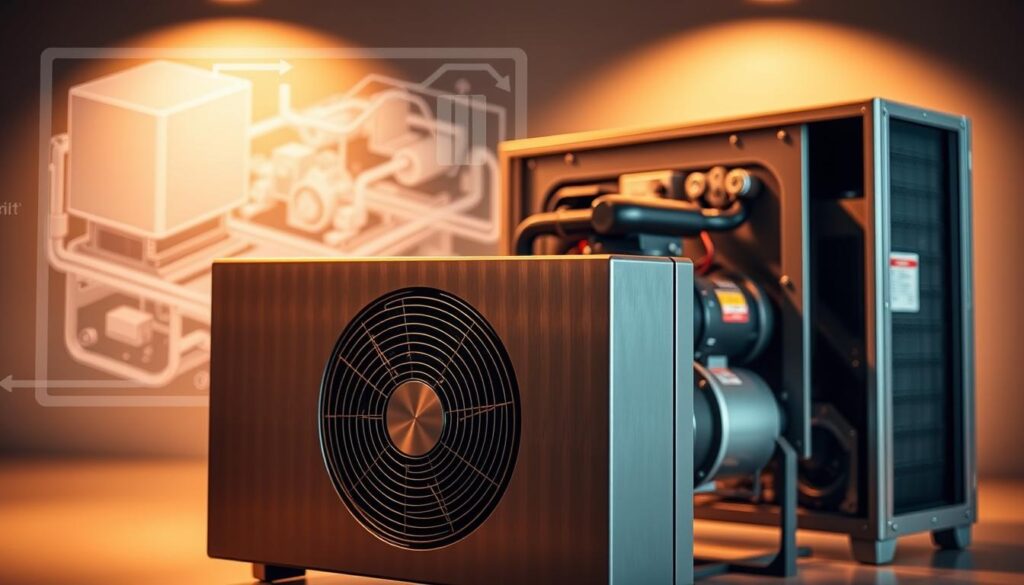
Advanced technology is reshaping how we handle air demand. Unlike traditional systems, modern solutions adjust in real time to ensure optimal performance. This not only improves efficiency but also reduces energy consumption significantly5.
How Systems Adjust to Real-Time Demand
Modern systems automatically match air production to your needs. For example, they can operate at 25% capacity when demand is low and scale up to 100% when needed5. This flexibility ensures you’re not wasting energy during idle periods.
The Role of Advanced Controls in Precision Operation
Advanced controls regulate motor speed to deliver smooth and precise air output. This means fewer fluctuations in air pressure and better overall performance6. These controls also reduce wear and tear, extending the life of your equipment.
Real-Time Performance: Matching Speed to Needs
Real-time adjustments mean your system always works at the right level. This leads to consistent indoor temperatures and improved humidity control5. It’s a smarter way to manage air handling, saving energy and enhancing comfort.
Here’s why this technology stands out:
- Energy savings: Adjusting to demand reduces power consumption by up to 50%5.
- Improved performance: Advanced controls ensure smooth operation and fewer breakdowns.
- Long-term benefits: Lower energy bills and reduced maintenance costs.
By adopting these systems, you can achieve both efficiency and reliability. It’s a win-win for your operations and your budget.
variable speed compressor guide
Choosing the right air handling system can significantly impact your energy bills and operational efficiency. Whether you’re managing a small facility or a large industrial operation, understanding the differences between fixed and variable speed systems is crucial for making informed decisions.
Exploring the Key Difference Between Fixed and Variable Speed Compressors
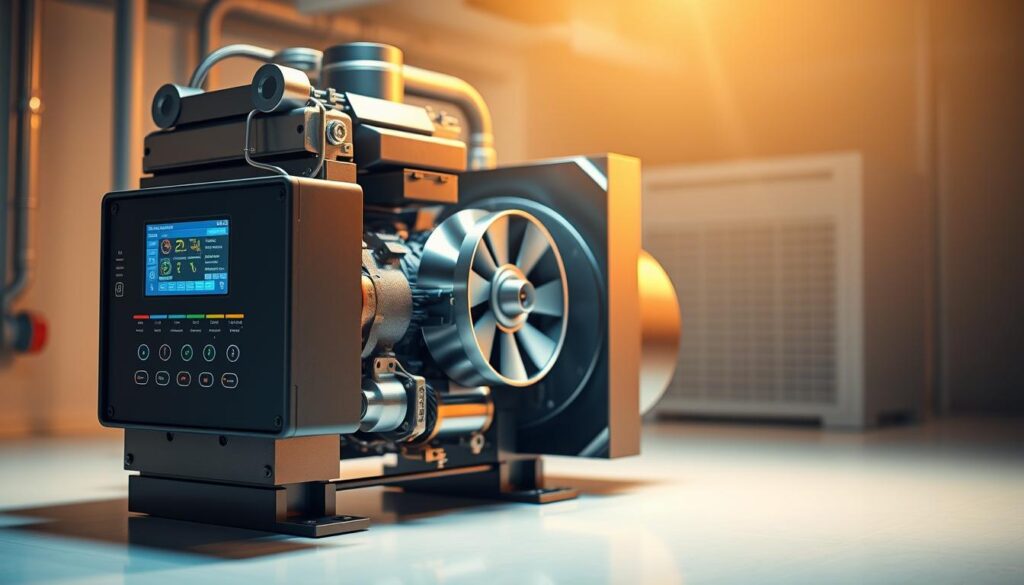
Fixed speed systems operate at full capacity until shut off, which can lead to wasted energy during low-demand periods7. In contrast, variable speed drive technology adjusts the unit’s output to match real-time needs, ensuring optimal performance and energy efficiency8.
One of the standout features of variable speed systems is their ability to maintain a tighter pressure range. This precision reduces energy consumption by up to 7% for every 1 bar decrease in pressure8. Additionally, these systems can start and stop under full system pressure, eliminating the need for unloading cycles8.
Balancing Upfront Investment With Long-Term Energy Savings
While the initial cost of a variable speed system is higher, the long-term savings often outweigh the upfront investment. For example, these systems can reduce energy costs by 35% to 50%, making them a cost-effective choice for businesses with fluctuating demand8.
Here’s a breakdown of the cost comparison:
| Factor | Fixed Speed Systems | Variable Speed Systems |
|---|---|---|
| Upfront Cost | Lower | Higher |
| Energy Efficiency | Less Efficient | Highly Efficient |
| Maintenance | Simpler, Lower Cost | Advanced, Higher Cost |
| Long-Term Savings | Minimal | Significant |
By investing in a variable speed drive system, you not only reduce energy consumption but also enhance the longevity and performance of your unit. This makes it a smart choice for industries like automotive workshops, food packaging, and healthcare facilities7.
Ultimately, the benefit of these systems lies in their ability to adapt to your needs, ensuring both efficiency and reliability. Whether you’re looking to cut costs or improve operations, variable speed technology offers a solution tailored to modern demands.
Comparing Compressor Options: Fixed Speed Versus Variable Speed
Selecting the right air handling system can transform your operational efficiency and energy savings. Whether your business has steady or fluctuating air demand, understanding the differences between fixed and variable speed systems is crucial. This section will help you decide which option aligns best with your operational needs.
When Fixed Speed Compressors Fit a Consistent Workflow
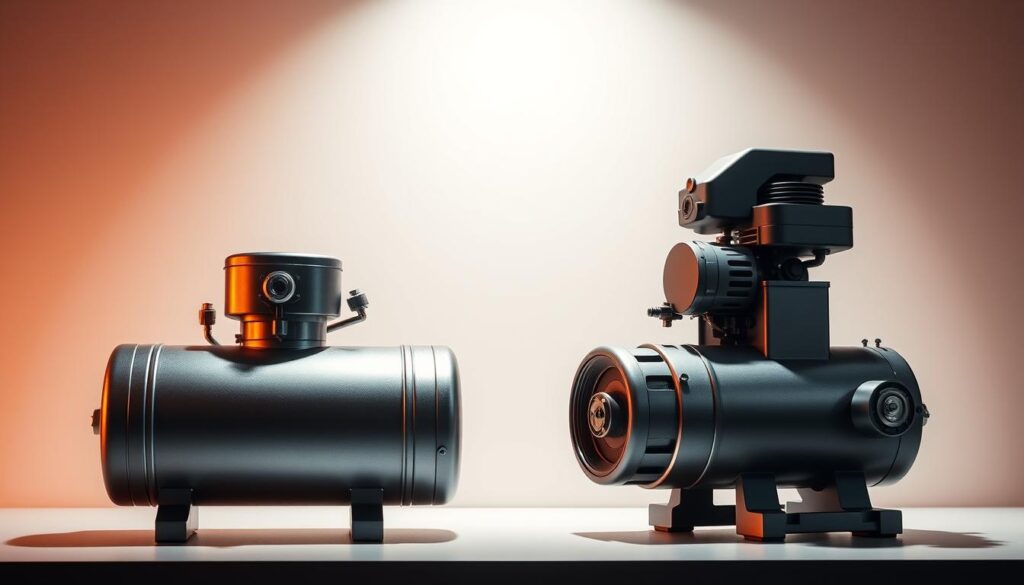
Fixed speed systems are ideal for operations with steady air demand. For example, manufacturing and construction industries often rely on these systems because their production processes are consistent. These units operate at full capacity until shut off, making them suitable for predictable workflows9.
However, fixed speed systems can consume 30-70% of full-load energy even when there’s no load, which can lead to inefficiencies10. If your business doesn’t experience significant fluctuations in air demand, this option might be a cost-effective choice.
Assessing Variable Speed Solutions for Fluctuating Demand
For businesses with varying air demand, variable speed systems offer unmatched flexibility. These units adjust their output to match real-time needs, ensuring optimal performance and energy efficiency9. Industries like food and beverage or automotive workshops benefit greatly from this adaptability.
Variable speed systems can reduce energy usage by up to 33%, with some manufacturers reporting savings as high as 70%10. Additionally, they operate within a tighter pressure band, reducing energy consumption by 7% for every 1 bar decrease in pressure9.
| Factor | Fixed Speed Systems | Variable Speed Systems |
|---|---|---|
| Energy Efficiency | Less Efficient | Highly Efficient |
| Upfront Cost | Lower | Higher |
| Maintenance | Simpler, Lower Cost | Advanced, Higher Cost |
| Long-Term Savings | Minimal | Significant |
Expert consultation can help you determine the best fit for your industry. By aligning your system with your specific process requirements, you can achieve both efficiency and reliability. Whether you choose fixed or variable speed, the right drive system will enhance your operations and reduce costs.
Optimizing Performance: Maintenance, Energy Consumption, and Technological Advances
Maximizing the efficiency of your air handling systems requires a blend of smart maintenance, energy monitoring, and advanced technology. By focusing on these areas, you can reduce costs, improve reliability, and ensure your equipment operates at its best.
Effective Maintenance Strategies for Enhanced Durability
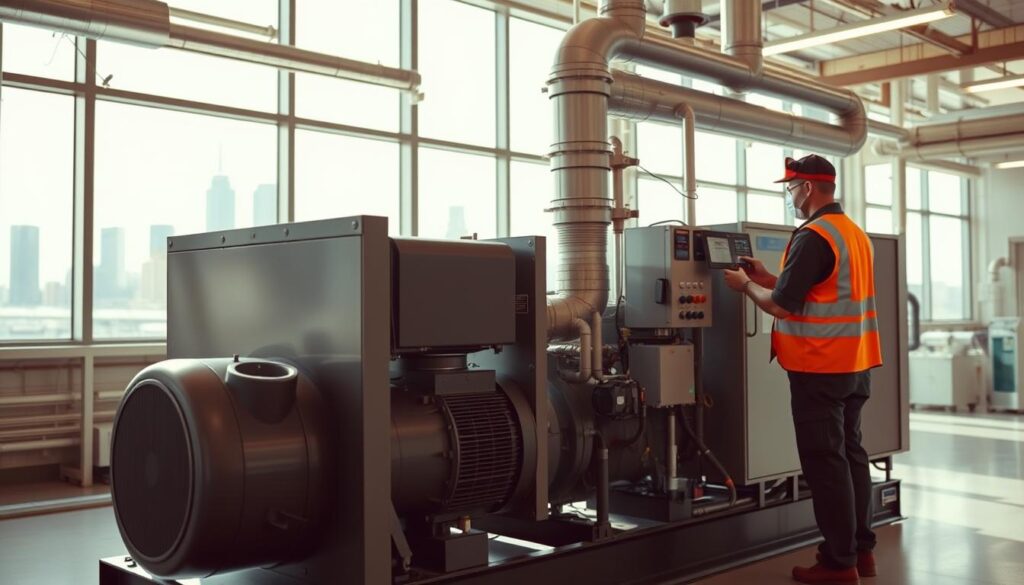
Regular maintenance is key to extending the life of your equipment. Simple practices like replacing air filters and fixing leaks can improve efficiency by up to 30%11. Addressing these issues promptly ensures your system runs smoothly and reduces unexpected downtime.
Here are some best practices to follow:
- Inspect filters monthly: Clogged filters can increase energy consumption by 5% to 15%11.
- Check for leaks: A small 1/16-inch leak can waste up to 6.5 cfm of compressed air12.
- Monitor condensate drains: Proper drainage prevents moisture buildup, which can damage components.
Using Data-Backed Insights for Energy Consumption Reduction
Monitoring your system’s energy usage can lead to significant savings. For example, reducing discharge pressure by 2 psi can lower consumption by about 1%12. Implementing heat recovery systems can also cut costs and reduce your carbon footprint12.
Here’s how data can help:
- Track usage patterns: Identify high-demand days and adjust operations accordingly.
- Optimize settings: Use real-time data to ensure your system operates at the right level.
- Invest in smart technology: Remote monitoring tools like SMARTLINK provide actionable insights for better decision-making13.
Integrating Hybrid Systems for Uninterrupted Operations
Hybrid systems combine the best of both worlds, offering flexibility and reliability. These solutions are ideal for businesses with fluctuating air demand, ensuring uninterrupted production even during peak times11.
Here’s why hybrid systems stand out:
| Feature | Benefit |
|---|---|
| Adaptability | Adjusts to varying demand levels, reducing energy waste. |
| Reliability | Ensures continuous operation, minimizing downtime. |
| Cost Efficiency | Lowers energy consumption and maintenance costs over time. |
By integrating hybrid systems, you can achieve a comprehensive solution for your air handling needs. This approach not only enhances performance but also ensures long-term savings and sustainability.
Wrapping Up: Actionable Insights for Your Compressor and HVAC Success
Transform your HVAC system with cutting-edge technology that adapts to your needs. By adopting VSD solutions, you can achieve significant energy savings while maintaining high performance. These systems adjust in real time, ensuring your operations run smoothly and efficiently14.
Innovative VSD controls not only reduce energy consumption but also enhance system durability. For example, upgrading to high-efficiency motors can cut power use by 30% or more14. This means less energy waste and more cost savings for your business.
Take the next step by evaluating your operational needs. Consulting with experts can help you find tailored solutions that maximize efficiency. Whether it’s through advanced technology or hybrid systems, the right choice can transform your HVAC performance.
Ready to optimize your system? Start by exploring the benefits of VSD and consider expert advice for a customized approach. Your journey to less energy consumption and greater efficiency begins today.
FAQ
What is a variable speed compressor, and how does it work?
How can a variable speed compressor save energy and lower costs?
What are the main differences between fixed and variable speed compressors?
Is a variable speed compressor worth the initial investment?
How does a variable speed compressor handle fluctuating air demand?
What maintenance is required for a variable speed compressor?
Can a variable speed compressor integrate with existing HVAC systems?
What industries benefit most from variable speed compressors?
Source Links
- Variable-speed HVAC Systems Maximize Comfort | First Choice
- Heat Pump Guide: Single-Stage V Two-Stage V Variable-Speed
- Mastering HVAC Maintenance and Repair: The Ultimate Contractor’s Handbook | 1Build
- Electric Heat Pump Customer Buying & Operation Guide
- One-, Two-, and Variable-Speed HVAC Systems Explained – Trane®
- VSD explained – Atlas Copco
- Comparison Guide: Variable- vs. Fixed-Speed Air Compressors
- The Ultimate Guide to Variable Speed Drive (VSD) Compressors – Atlas Copco
- VSD vs fixed speed – Atlas Copco
- Variable-Speed Vs. Fixed-Speed Air Compressors – Kaishan USA
- Energy Efficiency Reference Guide Compressed Air
- Energy Efficiency in Compressed Air Systems: How to Optimize Performance and Reduce Costs? – TP-Europe
- Achieve reduced air compressor electricity consumption – Atlas Copco
- Industrial Energy Management: Strategies for Cost and Carbon Savings

0 Comments