As summer temperatures rise, so does the need for effective cooling solutions. Many people turn to portable air conditioners to beat the heat, but safety is a top concern. Did you know that proper ventilation can reduce the risk of overheating by up to 30%?
Imagine sipping your morning coffee while your room stays cool and comfortable. Portable air conditioners are designed for convenience, but following best practices ensures they work efficiently and safely. Regular maintenance, like cleaning filters, can also improve energy efficiency and prevent hazards.
In this guide, you’ll learn how to choose, set up, and maintain your cooling unit for optimal performance. Let’s dive into the details to make your summer both cool and safe.
Key Takeaways
- Proper ventilation is essential to prevent overheating.
- Regular maintenance improves efficiency and safety.
- Using dedicated outlets reduces electrical risks.
- Dual-hose units enhance cooling performance.
- Surge protectors protect against power surges.
Opening: Identifying Cooling Challenges and Safety Solutions
Picture this: you’re enjoying your morning coffee, but the heat is creeping in. The struggle to keep your space cool is real, especially during summer. Many people turn to air conditioners for relief, but improper setups can lead to inefficiency and even hazards.
Common issues include blocked airflow, overheating, and inadequate venting. These problems not only reduce cooling effectiveness but also pose risks. Proper ventilation and dedicated outlets are key to avoiding these pitfalls.
Why Ventilation Matters
Blocked airflow can cause your unit to overheat, reducing its lifespan. Experts recommend using a dual-hose system for better performance. This ensures warm air is expelled efficiently, keeping your room cool and safe.
Industry data shows that following manufacturer guidelines can prevent up to 30% of accidents. Simple steps like cleaning the filter and ensuring proper venting make a big difference.
Electrical Safety Tips
Using a dedicated outlet reduces the risk of electrical hazards. Avoid overloading circuits, as this can lead to power surges. Surge protectors are a smart addition to your setup.
| Feature | Benefit |
|---|---|
| Dual-Hose System | Improved ventilation and energy efficiency |
| Dedicated Outlet | Reduced electrical risks |
| Regular Maintenance | Longer lifespan and better performance |
By addressing these challenges, you can enjoy a cool, comfortable space without worry. Small adjustments today lead to a safer, more efficient tomorrow.
Understanding Portable AC Safety Essentials
Effective cooling starts with understanding the essentials of airflow and electrical setup. A well-functioning air conditioner not only keeps your room comfortable but also ensures safety. Proper ventilation and smart placement are key to achieving this balance.
Proper Ventilation Techniques and Airflow Considerations
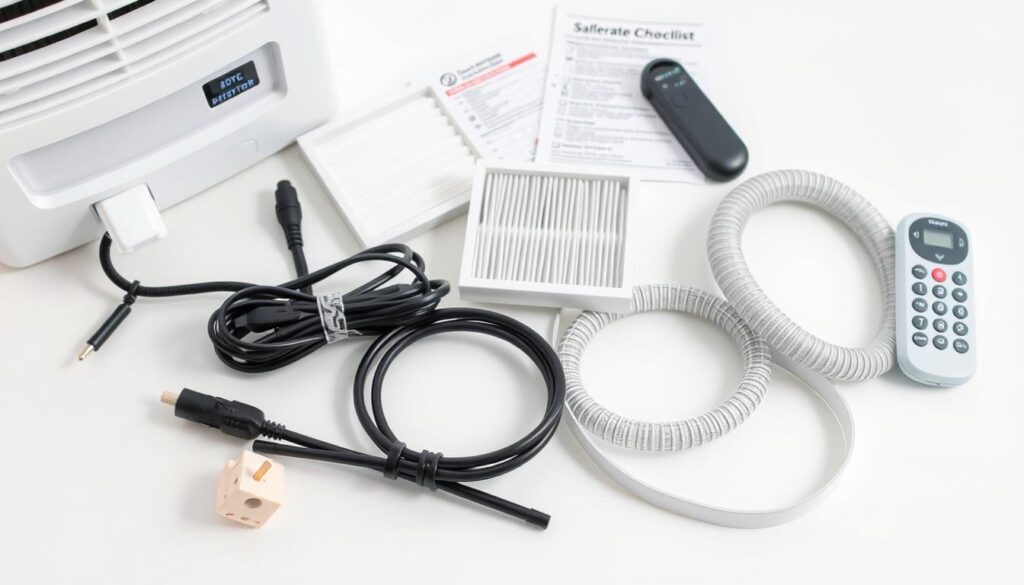
Think of airflow like a river’s current—it needs a clear path to carry away heat. Blocking vents or using improper window kits can lead to overheating. Always use the manufacturer-provided window kit to ensure warm air is expelled efficiently.
Keeping the area around your unit free from obstructions is crucial. Dust and debris can clog the filter, reducing efficiency and increasing energy consumption. Regular cleaning ensures optimal performance and prevents potential hazards.
Electrical Safety and Smart Placement Tips
Electrical safety is just as important as airflow. Avoid overloading circuits by using a dedicated outlet for your air conditioner. This reduces the risk of power surges and ensures stable operation.
Place your unit away from high-traffic areas to minimize noise and maximize cooling efficiency. Surge protectors are a smart addition to your setup, protecting your device from unexpected voltage spikes.
By paying attention to these details, you can transform a basic unit into an efficient and safe cooling solution. Small adjustments today lead to a more comfortable tomorrow.
Expert Insights: portable ac safety guide Best Practices
Choosing the right cooling solution can feel overwhelming, but it doesn’t have to be. With a bit of research and expert advice, you can find the perfect fit for your home. Let’s break down the key factors to consider when selecting and setting up your device.
Selecting the Right Device for Your Space
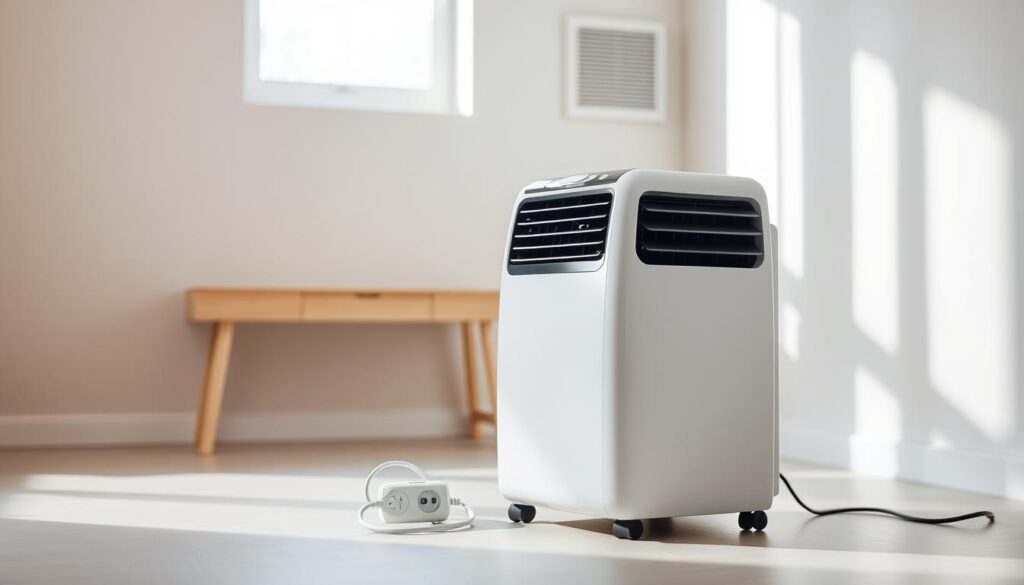
Matching your unit’s cooling capacity to your room size is crucial. For example, a 150-square-foot space typically requires 5,000 to 6,000 BTUs, while a 500-square-foot area needs 11,000 to 12,000 BTUs. Choosing the right size ensures efficient cooling and prevents overworking the system.
Consider the type of model that suits your needs. Single-hose units are budget-friendly but may struggle with efficiency. Dual-hose systems, on the other hand, offer better performance and are ideal for larger spaces. Reading product reviews and expert insights can help you make an informed decision.
Avoiding Common Setup Pitfalls
Proper placement is key to avoiding hazards. Keep your unit away from water sources and ensure the exhaust hose is unobstructed. Blocking the exhaust can reduce efficiency and even cause overheating.
Always follow the manufacturer’s instructions for installation. This includes using the provided window kit and ensuring the device is level. Taking these steps ensures optimal performance and reduces the risk of accidents.
Finally, consult product reviews and expert recommendations to avoid costly mistakes. A little research goes a long way in creating a seamless setup experience.
Maximizing Efficiency with Regular Maintenance and Upkeep
Keeping your cooling system in top shape ensures it runs smoothly all year round. Regular maintenance not only boosts performance but also extends the lifespan of your portable air conditioner. Think of it like a car—routine check-ups keep it running efficiently and prevent costly repairs.
Routine Cleaning and Filter Replacement Steps
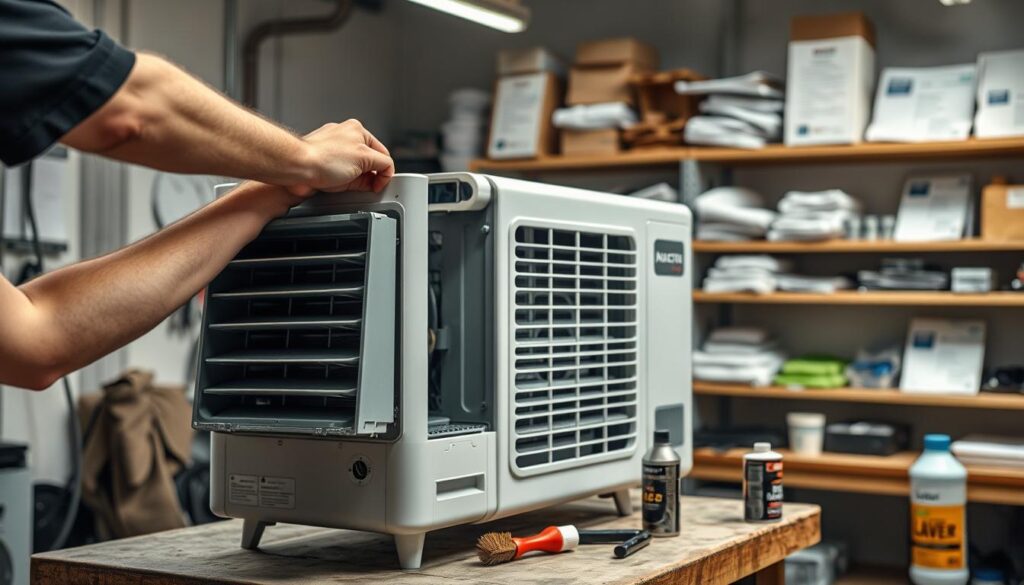
Cleaning your unit is simple and highly effective. Start by unplugging the device to ensure safety. Remove the filter and wash it with warm, soapy water. Let it dry completely before reinstalling.
Vacuum the coils to remove dust and debris. This improves airflow and prevents overheating. Regular cleaning can improve efficiency by up to 15%, according to industry experts.
Inspection for Damage, Leaks, and Wear
Inspect your air conditioner for any signs of wear or damage. Check the hoses for cracks and ensure the exhaust is unobstructed. Look for water leaks, which can indicate a clogged drain.
Addressing these issues early prevents bigger problems down the line. Seasonal checks are a great way to stay ahead of potential hazards.
| Maintenance Task | Benefit |
|---|---|
| Cleaning the Filter | Improves airflow and energy efficiency |
| Vacuuming Coils | Prevents overheating and extends lifespan |
| Inspecting Hoses | Reduces risk of leaks and damage |
By integrating these steps into your routine, you’ll enjoy consistent cooling and peace of mind. A little effort today ensures a comfortable tomorrow.
Adapting to Diverse Cooling Needs in Summer and Beyond
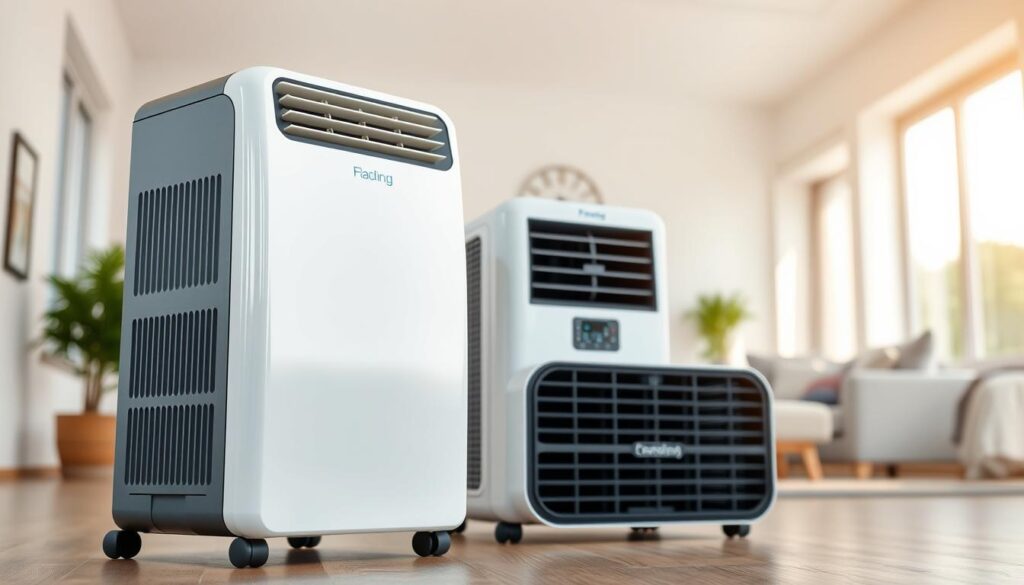
When the heat hits, having the right cooling strategy can make all the difference. Whether you’re at home or in the office, a portable air conditioner offers flexibility to meet your needs. These units are designed to adapt to various spaces, making them a practical choice for both small rooms and larger areas.
Flexible Cooling Solutions for Home and Office Spaces
One of the biggest advantages of a portable air conditioner is its adaptability. In a home setting, you can move it from the living room to the bedroom as needed. In an office, it can provide targeted cooling for specific workstations, enhancing comfort and productivity.
Consider the size of your space when choosing a unit. For example, a 150-square-foot room typically requires 5,000 to 6,000 BTUs, while a 500-square-foot area needs 11,000 to 12,000 BTUs. Matching the unit’s capacity to your space ensures efficient cooling without overworking the system.
Energy Efficiency Insights and Long-Term Savings
Energy efficiency is a key factor in reducing both your electricity bills and environmental impact. Look for units with a high Energy Efficiency Ratio (EER) rating. A higher EER means the unit uses less energy to cool your space, saving you money in the long run.
Smart features like programmable timers and remote control via smartphone apps can further optimize energy use. These tools allow you to adjust settings based on your schedule, ensuring the unit runs only when needed.
| Feature | Benefit |
|---|---|
| High EER Rating | Lower energy consumption and cost savings |
| Programmable Timers | Optimized energy use based on schedule |
| Remote Control | Convenient adjustments from anywhere |
By choosing an efficient air conditioner and using smart features, you can enjoy a comfortable environment while minimizing your energy footprint. Small changes today lead to significant savings tomorrow.
(Final Thoughts and Actionable Insights)
Making small changes can lead to big improvements in your cooling setup. Proper ventilation, regular maintenance, and smart placement are key to keeping your unit running smoothly. Have you checked your airflow or cleaned the filter recently? These simple steps can boost performance and extend the life of your air conditioner.
Take a moment to review your current setup. Are there any obstructions or signs of wear? Addressing these issues now can save you time and money in the long run. With a little effort, you can enjoy a cooler, more comfortable environment all summer.
Ready to make a change? Start by scheduling a quick inspection or adjusting your unit’s placement. Share your experiences and tips with others to build a community of informed users. Together, we can stay cool and efficient!
FAQ
Are portable air conditioners safe for continuous use?
How do I ensure proper ventilation for my unit?
What should I consider when selecting a model for my space?
How often should I clean or replace the filter?
Can I use this type of air conditioner in an office?
How can I improve energy efficiency while using this device?
What are the common mistakes to avoid during setup?
How do I inspect for leaks or damage?
Can I use this device in a small room?
What are the benefits of using a portable air conditioner?
Source Links
- 2024 Guide: Portable Air Conditioner Safety Tips and Precautions
- Portable Air Conditioner Safety Guide
- 6 Reasons Why Portable ACs Are a Bad Deal
- Common Air Conditioner Problems
- Portable Air Conditioner Safety Guide
- Portable Air Conditioner Safety Guide
- 2024 Guide: Portable Air Conditioner Safety Tips and Precautions
- How To Choose a Portable AC Unit for Your Home – Today’s Homeowner
- The Complete guide to portable air-conditioners – GMC Aircon
- How to Choose Right Portable AC Rental for Your Emergency Cooling Needs
- Air Conditioner Maintenance
- How to Maximize HVAC Efficiency in Industrial Warehouses – One Hour Air Conditioning & Heating Fort Worth TX & North Dallas / Plano Area. Gladly servicing the Fort Worth and North Dallas Area.
- Can You Leave Your Portable AC On When You’Re Not Home?
- How To Choose a Portable Air Conditioner
- How Do Portable Air Conditioners Work Efficiently?
- Stay Cool & Informed: Your Comprehensive Dive into Air Conditioning Service Excellence – One Hour Air Conditioning & Heating Fort Worth TX & North Dallas / Plano Area. Gladly servicing the Fort Worth and North Dallas Area.
- Stay Cool: The Quest for the Best Portable AC for Camping


0 Comments