Nothing is more frustrating than your air conditioner shutting down unexpectedly on a sweltering day. Whether it’s a buzzing noise, water leaks, or a tripped circuit breaker, these issues can leave you feeling helpless. But don’t worry—this guide is here to help you troubleshoot and fix the problem with ease.
Based on expert insights from trusted sources like Airview AC, you’ll learn how to identify early warning signs and take actionable steps to restore your unit’s performance. With 70% of sudden shutdowns linked to faulty thermostats, understanding these common issues can save you time and money.
Key Takeaways
- Sudden shutdowns are often caused by faulty thermostats or clogged filters.
- Regular maintenance can prevent overheating and extend your unit’s lifespan.
- Check for unusual noises or water leaks as early warning signs.
- Cleaning condenser coils twice a year improves efficiency.
- Proper troubleshooting can save you from costly professional repairs.
Understanding Your Window AC Problems
Ever walked into a room and noticed your cooling unit acting up? It’s not just annoying—it’s a sign something might be wrong. Early detection can save you from bigger headaches down the road. Let’s dive into the red flags you should watch for and how they affect your comfort.
What Are the Early Warning Signs?
Your cooling system often gives hints before it completely breaks down. Unusual noises, like buzzing or rattling, are common indicators. Water pooling around the unit or a faint burning smell can also signal trouble. Don’t ignore these signs—they’re your first clue to act.
Another red flag is inconsistent power. If your unit frequently trips the circuit breaker or struggles to start, it’s time to investigate. These issues often point to faulty parts or an overworked system. Addressing them early can prevent costly repairs.
How Does a Malfunction Affect Your Comfort?
A malfunctioning unit doesn’t just fail to cool—it can make your room feel stuffy and uncomfortable. Inefficient cooling often leads to higher energy bills, as the system works harder to maintain the temperature. This not only impacts your wallet but also reduces the lifespan of your device.
For example, a clogged condenser can cause the unit to overheat, leading to sudden shutdowns. Regular maintenance, like cleaning the condenser twice a year, can keep your system running smoothly. Proactive care ensures your space stays cool and comfortable, even on the hottest days.
Essential Troubleshooting Steps for a Reliable Fix
When your cooling system suddenly stops working, it’s easy to feel overwhelmed. But don’t worry—there are simple steps you can take to identify and fix the issue. By using your senses and a systematic approach, you can often pinpoint the problem without professional help.
How to Identify the Problem Quickly
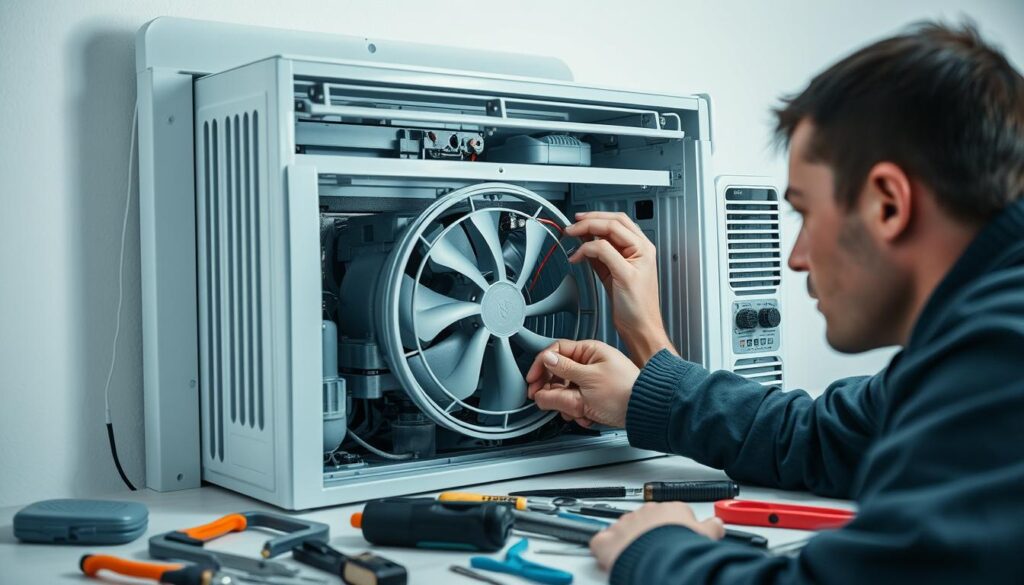
Start by observing your unit. Is it making unusual noises like buzzing or rattling? These sounds often indicate a fan or coil issue. Next, check the thermostat settings. Is it set to the correct temperature? A faulty thermostat can cause the system to shut down unexpectedly.
If everything seems fine, inspect the exterior. Look for water leaks or debris blocking the vents. These are common signs of a clogged drain or dirty filters. Addressing these early can prevent bigger problems later.
Using Sensory Clues and Personal Observations
Your senses are powerful tools for troubleshooting. Smell anything unusual, like a burning odor? This could mean an electrical issue. Feel the air coming from the unit—is it warm instead of cool? This might point to a refrigerant problem.
Listen carefully. A humming noise without the fan spinning often suggests a motor issue. By combining these observations, you can narrow down the cause and decide if it’s a DIY fix or time to call a pro.
| Symptom | Possible Cause | Action |
|---|---|---|
| Unusual noises | Fan or coil issue | Inspect and clean components |
| Warm air | Refrigerant leak | Check for leaks and refill |
| Water leaks | Clogged drain | Clear the drain line |
| Burning smell | Electrical problem | Turn off unit and call a professional |
Remember, regular maintenance can prevent many of these issues. Cleaning the coil twice a year improves efficiency by up to 30%. By staying proactive, you can keep your unit running smoothly and avoid costly repairs.
Hands-On Inspection: Key Components and Filters
Keeping your cooling system in top shape starts with a hands-on approach. Regular inspections can prevent unexpected breakdowns and ensure your unit runs efficiently. By focusing on key components and filters, you can extend the lifespan of your system and save on energy costs.
Why Regular Filter Maintenance Matters
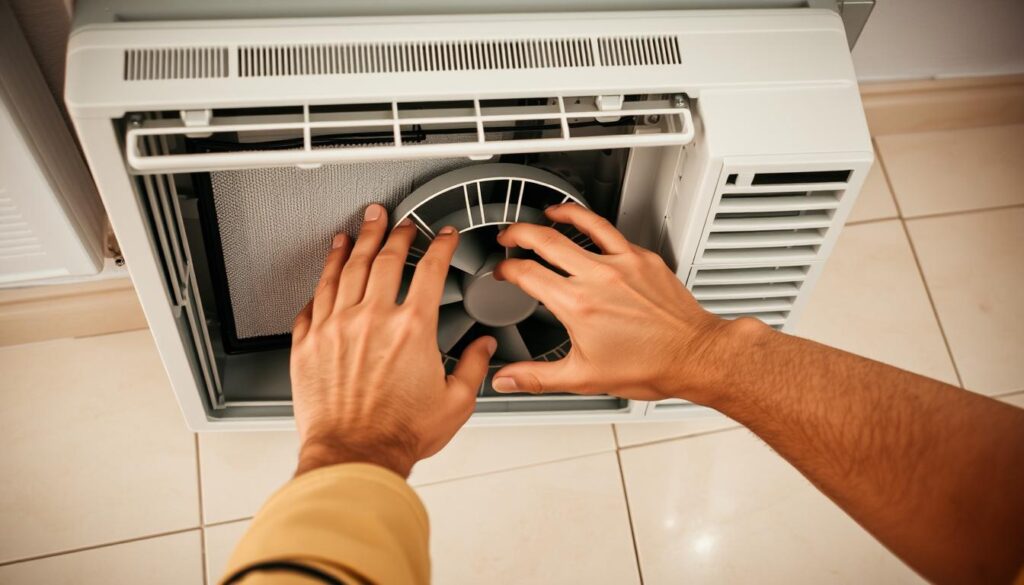
Clean filters are essential for optimal performance. Dirty or clogged filters can reduce airflow, forcing your system to work harder. This not only increases energy consumption but also puts stress on the compressor and other components.
Check your filters every 30 to 60 days, especially if you have pets or live in a dusty area. Use a mild detergent to clean reusable filters or replace disposable ones. This simple step can improve efficiency by up to 15%.
Checking Power Cords and Electrical Connections
Faulty electrical connections are a common cause of system failures. Inspect power cords for wear or damage, and ensure all connections are secure. A loose wire can lead to overheating or even a fire hazard.
If you notice a burning smell or frequent tripping of the circuit breaker, turn off the unit immediately. These are signs of an electrical issue that may require professional attention. Regular checks can prevent costly repairs and ensure safety.
Don’t forget to inspect the evaporator and drain setup. Blocked drain ports can cause water buildup, reducing cooling performance. Use a vacuum to clear debris from the condenser coils and ensure proper drainage. These small steps can make a big difference in your system’s efficiency.
window ac repair guide: Diagnosing Refrigerant, Drainage, and Electrical Issues
Is your cooling system acting up with icy coils or water pooling around it? These are common signs of deeper issues that need attention. By understanding the root cause, you can take the right steps to fix the problem and restore comfort to your house.
Detecting Refrigerant Leaks and Icy Coils
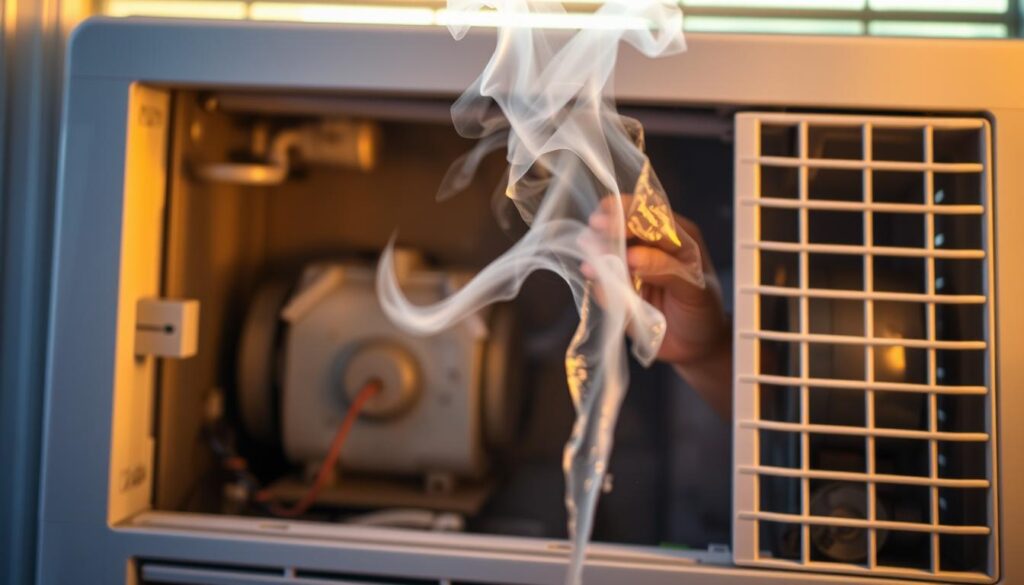
Icy buildup on the fins or coils is a clear sign of a refrigerant leak. This happens when the system loses its cooling agent, leading to poor performance. If you notice reduced airflow or warm air coming from your appliance, it’s time to investigate.
Start by turning off the unit and letting the ice melt. Check for visible damage to the coils or refrigerant lines. A hissing sound or oily residue can also indicate a leak. While minor issues can be fixed with a sealant, major leaks often require professional help.
Clearing Clogged Drain Ports and Water Build-Up
Water pooling around your unit is often caused by clogged drain ports. Over time, dirt and debris can block the drainage system, leading to leaks. This not only affects cooling but can also damage your house’s interior.
To fix this, locate the drain port and use a thin wire or vacuum to clear the blockage. Regular cleaning can prevent future issues. If the problem persists, check for cracks in the drain pan or a faulty pump.
Inspecting Wires for Wear or Damage
Electrical issues are another common cause of system failures. Inspect the power wires for signs of wear, such as fraying or burning. Loose connections can lead to overheating or even fire hazards.
If you notice a burning smell or frequent tripping of the circuit breaker, turn off the unit immediately. These are signs of an electrical problem that may require professional attention. Regular checks can prevent costly repairs and ensure safety.
| Symptom | Possible Cause | Action |
|---|---|---|
| Icy coils | Refrigerant leak | Check for leaks and refill |
| Water pooling | Clogged drain port | Clear the drain line |
| Burning smell | Electrical issue | Inspect wires and call a professional |
By identifying the root cause—whether it’s a refrigerant leak, clogged drain, or faulty wire—you can decide if it’s a DIY fix or time to call a pro. Regular maintenance keeps your appliance running smoothly and your house comfortable.
Smart Safety Practices and When to Call a Professional
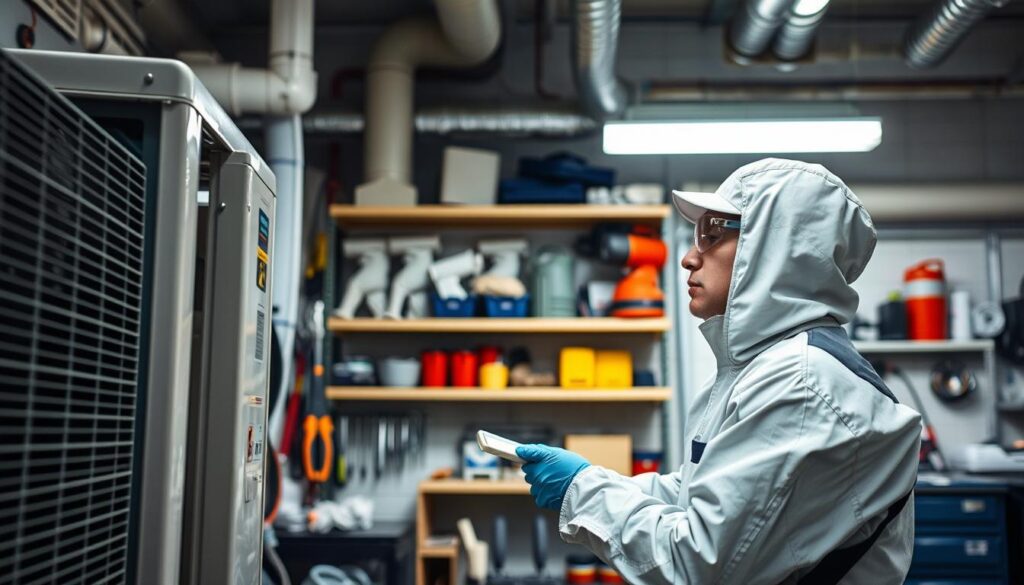
Feeling confident about fixing your cooling system yourself? Think twice before diving in. While DIY repairs might seem like a quick and cost-effective way, they often come with hidden risks. Electrical hazards, improper handling of components, and even voiding warranties are just a few of the challenges you might face.
Weighing the Risks of DIY Repairs
One of the biggest dangers of DIY fixes is the risk of electrical shock. Inspecting a motor or wiring without proper knowledge can lead to serious injuries. Even a small mistake, like not turning off the power, can turn a minor issue into a major disaster.
Another common problem is exacerbating the problem. For example, forcing a stuck motor to run can cause permanent damage. Without the right tools or expertise, you might end up spending more on repairs than you initially planned.
Benefits of Relying on Certified HVAC Experts
Hiring a certified professional ensures the job is done right the first time. These experts follow strict safety protocols and have the training to handle complex issues. They can also spot potential problems early, saving you from costly repairs down the line.
Professional services often include a thorough inspection of your system. This not only fixes the immediate problem but also improves efficiency, reducing your energy bills. Plus, many manufacturers require professional maintenance to keep warranties valid.
| Situation | DIY Risk | Professional Solution |
|---|---|---|
| Electrical issues | Risk of shock or fire | Safe handling by certified experts |
| Motor failure | Potential for further damage | Proper diagnosis and repair |
| Refrigerant leaks | Incorrect handling can harm the environment | Eco-friendly and efficient fixes |
Balancing cost and risk is key. While DIY repairs might save you money upfront, professional services offer peace of mind and long-term savings. When in doubt, it’s always safer to call in the experts.
Optimizing AC Performance in Hot and Humid Climates
Living in a hot and humid climate can put extra stress on your cooling system. High temperatures and sticky air force your unit to work harder, which can lead to inefficiency and breakdowns. But with the right care, you can keep your system running smoothly and save on energy costs.
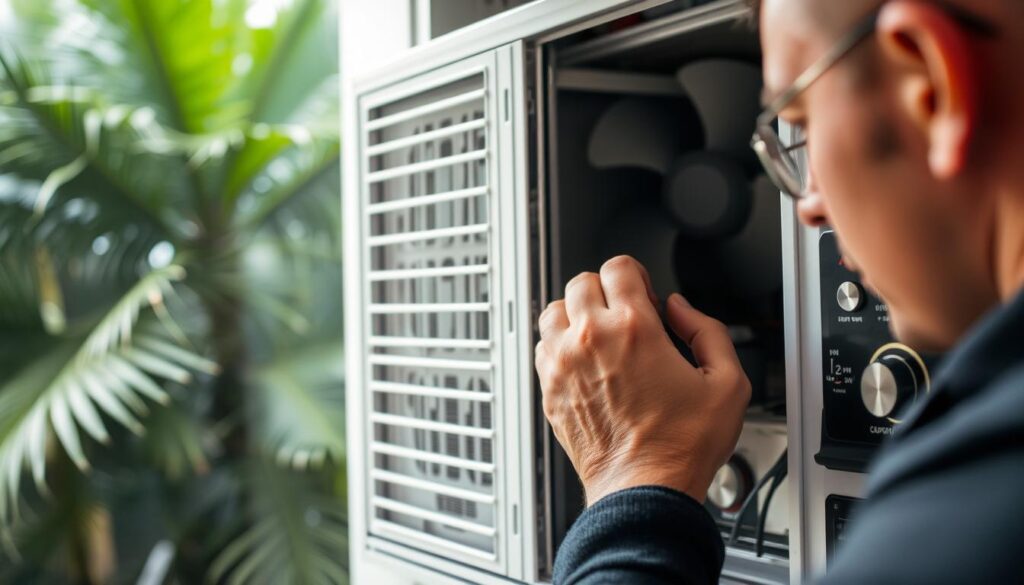
Have you noticed your cooling system struggling during peak summer months? It’s not just the heat—humidity adds another layer of challenge. Regular maintenance and smart habits can make a big difference in how well your unit performs.
Seasonal Maintenance Tips and Energy Savings
One of the best ways to control your cooling system’s efficiency is through seasonal maintenance. Start by cleaning the condenser coil at least twice a year. Dirt and debris can block airflow, making your unit work harder and use more energy.
Another key step is to make sure your sensor is functioning properly. A faulty sensor can misread temperatures, leading to unnecessary cooling cycles. Check for dust or damage and clean it gently with a soft cloth.
Don’t forget to inspect other components, like the fan and filters. Clogged filters reduce airflow, forcing the system to overwork. Replace or clean them every 30 to 60 days, especially in humid environments where mold and dust accumulate faster.
Practical Steps for Better Performance
Here are some actionable tips to keep your cooling system in top shape:
- Clean the condenser coil regularly to improve airflow and efficiency.
- Remove debris from around the unit to prevent blockages.
- Check the sensor for accuracy and clean it if needed.
- Inspect all components for wear and tear, especially after extreme weather.
By following these steps, you can control your energy usage and extend the life of your cooling system. Regular maintenance not only saves money but also ensures your home stays comfortable, even on the hottest days.
Wrapping Up Your Window AC Repair Journey
Taking charge of your cooling system’s health can save you time and money. By following the steps in this guide, you’ve learned how to troubleshoot common issues like faulty fan motors, tripped circuit breakers, and coolant leaks. These are often the main reasons for sudden shutdowns.
Regular maintenance is key to keeping your system efficient. Clean filters, inspect circuits, and check for wear on fan motors. These small steps can prevent bigger problems and extend your unit’s lifespan.
If you’re unsure about a fix, don’t hesitate to call a professional. They can handle complex issues safely and ensure your system runs smoothly. Remember, the thing that matters most is your comfort and safety.
Now it’s your turn! Put these tips into action and share your experience. A reliable cooling solution is within reach—start today!
FAQ
What are the early warning signs of a malfunctioning unit?
How does a malfunction affect your comfort?
How can you identify the problem quickly?
Why does regular filter maintenance matter?
How do you check power cords and electrical connections?
How can you detect refrigerant leaks and icy coils?
What’s the best way to clear clogged drain ports and water build-up?
When should you call a professional for help?
What are some seasonal maintenance tips for optimal performance?
Source Links
- Troubleshooting: Why Your Window AC Unit Shuts Off | Sandium
- Window Air Conditioner Repair Guide | Fix Window Unit AC
- Why Your Air Conditioner Turns Off After About 15 Minutes
- Window AC Repair Guide: Tackle Common Problems Like a Pro
- Troubleshooting Guide: Why Isn’t My Window AC Unit Working?
- How To Repair Room Air Conditioners
- The Essential AC Repair Guide: Fixes, Maintenance & Tips – Redeemed Air
- How to Fix, Clean, and Maintain Your Window Air Conditioner
- How to Fix the Most Common Air Conditioning Repairs Yourself
- The Ultimate Residential HVAC Inspection Checklist – One Hour Air Conditioning & Heating Fort Worth TX & North Dallas / Plano Area. Gladly servicing the Fort Worth and North Dallas Area.
- The Ultimate Guide to HVAC Inspections (Free Checklist Download)
- Residential HVAC Inspection Checklist: A Must-Read Guide – One Hour Air Conditioning & Heating Dallas
- Airview AC
- How to Diagnose AC Problems: A Simple Troubleshooting Guide – Palms Air Conditioning & Heating
- Essential Guide to Window AC Repair for Optimal Performance
- 11 Tips to Keep Your Window Air Conditioner Running All Summer Long
- 5 Air Conditioner (AC) Maintenance Tips You Should Know
- Tips to Optimize AC in Extreme Heat
- AC Repair Guide: Tips & Solutions for Efficient Cooling
- How To Optimize Your Window Air Conditioning Unit?
- How to Install a Window Air Conditioner – Consumer Reports
- How to Repair a Home Air Conditioner
- How to Install a Window Air Conditioner Unit: A Step-by-Step Guide



0 Comments