Are you tired of skyrocketing energy bills during summer? Traditional HVAC systems often run at full power, leading to inefficiency and higher costs. Inverter technology offers a smarter solution by adjusting power consumption to match your cooling needs, reducing energy waste and saving you money1.
Unlike older systems, inverter-based units operate continuously, maintaining consistent temperatures without the abrupt on-off cycles. This not only enhances comfort but also extends the lifespan of the system by reducing wear and tear2. Plus, they’re quieter, making them ideal for homes and offices.
With brands like RIGID leading the way in micro cooling innovations, these systems are becoming a go-to choice for energy-conscious consumers. Whether you’re upgrading your home or optimizing a commercial space, inverter technology can make a significant difference in both performance and sustainability.
Key Takeaways
- Inverter systems adjust power usage for efficient cooling and heating.
- They reduce energy bills by up to 30% compared to traditional units3.
- These systems operate quietly, minimizing noise disruptions.
- They provide consistent temperatures, enhancing comfort.
- Inverter technology extends the lifespan of HVAC systems2.
Kickstarting Your Journey to Lower Energy Bills in HVAC Systems
Does your energy bill leave you feeling frustrated every month? You’re not alone. Many homeowners face the same struggle, especially with older HVAC systems that consume more energy than necessary. The good news? Small adjustments can make a big difference.
Are You Experiencing High Energy Bills in Your Home?
Older systems often run at full speed, causing energy spikes and higher costs. They lack the advanced technology to adjust power usage based on your needs. This inefficiency can lead to a 30-50% increase in energy bills compared to modern systems4.
Imagine your unit working overtime on a hot day, only to leave your home unevenly cooled. It’s not just uncomfortable—it’s expensive. Upgrading to a system with better control can help you avoid these issues.
How Can Small Adjustments Maximize HVAC Efficiency?
Modern systems use variable speed technology to match your cooling needs. This means they adjust their operation to maintain a consistent temperature without wasting energy5. Plus, they’re quieter, reducing noise disruptions in your home.
Simple changes, like upgrading to a programmable thermostat or ensuring proper airflow, can also improve efficiency. These tweaks can save you up to 30% on energy costs4. It’s a win-win for your wallet and your comfort.
Understanding Inverter Compressor Technology and Its Benefits
What if your cooling system could adapt to your needs like a well-tuned engine? Unlike traditional systems that run at full power or shut off completely, modern technology adjusts its operation to match your requirements. This not only saves energy but also enhances comfort and performance.
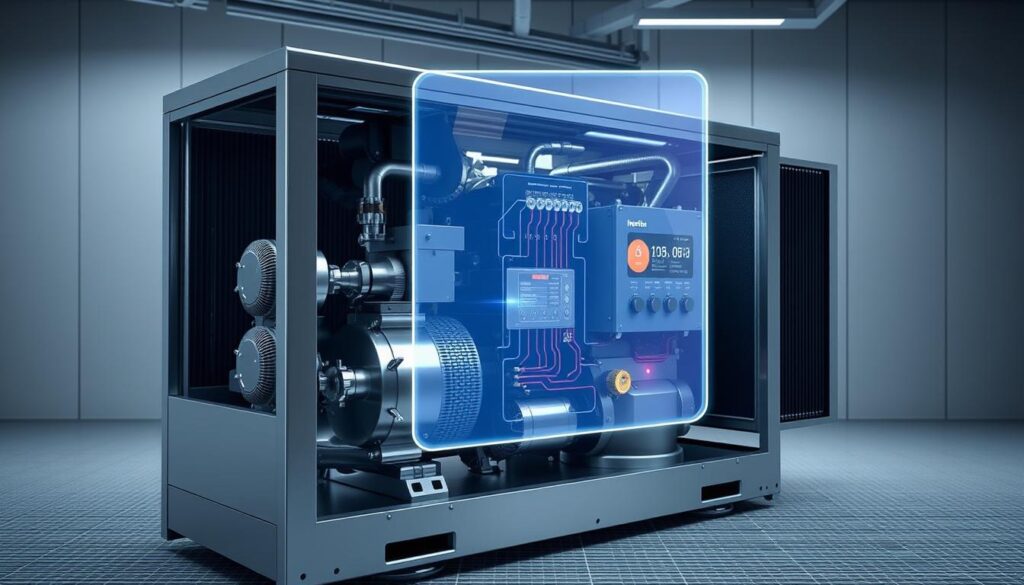
What Exactly Is an Inverter Compressor?
An inverter compressor is a game-changer in HVAC systems. Instead of operating at a fixed speed, it adjusts its power use based on the cooling demand. Think of it like a car smoothly shifting gears to maintain speed, rather than accelerating and braking abruptly. This adaptability reduces energy consumption and minimizes wear and tear6.
Traditional systems, on the other hand, work in an on-off cycle. They consume more power during startup and struggle to maintain consistent temperatures. Inverter technology eliminates these inefficiencies, making it a smarter choice for both residential and commercial use7.
How Does Variable-Speed Technology Improve Performance?
Variable-speed technology allows the system to fine-tune its operation. It starts at a higher speed to cool your space quickly, then slows down to maintain the desired temperature. This approach reduces energy waste and keeps your home comfortable without fluctuations6.
Here’s how it makes a difference:
- Energy Savings: Inverter systems can cut energy consumption by up to 30% compared to traditional units7.
- Smoother Operation: They run quietly and avoid the abrupt starts and stops that cause noise disruptions.
- Improved Air Quality: By maintaining stable temperatures, they prevent humidity buildup and ensure better air circulation.
For example, Daikin Industries, a leader in HVAC technology, uses this innovation to create systems that are both efficient and eco-friendly. Their units are designed to reduce greenhouse gas emissions while delivering top-notch performance7.
Choosing inverter technology is a smart move for long-term savings and sustainability. It’s like upgrading from a clunky old car to a sleek, fuel-efficient model—your wallet and the planet will thank you.
Your Inverter Compressor Guide for Maximizing Energy Efficiency
Looking for ways to cut down on energy costs while keeping your home comfortable? Modern technology offers a smarter solution. Unlike traditional systems, advanced units adjust their operation to match your cooling needs, saving energy and reducing wear and tear8.
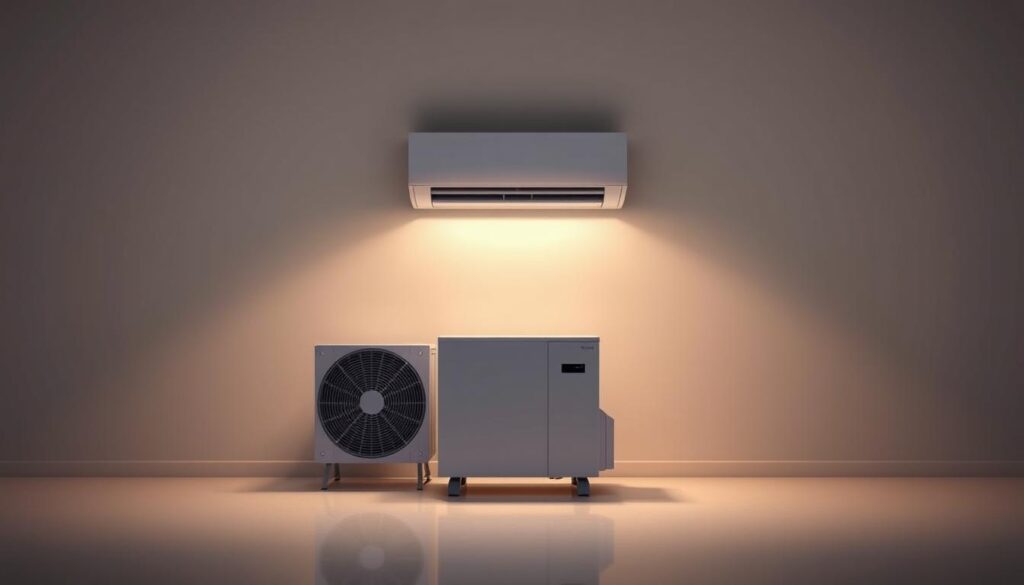
Why Choose Inverter Over Traditional Compressor Systems?
Traditional systems operate at a fixed speed, leading to higher energy consumption and frequent on-off cycles. This not only increases your bills but also causes temperature fluctuations9. In contrast, modern units adjust their speed dynamically, ensuring consistent cooling while using up to 50% less energy8.
Here’s why this matters for your home:
- Energy Savings: Inverter systems can reduce electricity bills by 30-50% compared to traditional units8.
- Quieter Operation: Noise levels are reduced by 3-5 dB, making them ideal for bedrooms and offices8.
- Longer Lifespan: Reduced wear and tear extends the system’s life by 10-15%8.
Can Real-Time Adjustments Really Save Energy?
Yes, they can. Advanced sensors monitor temperature changes and adjust the system’s operation in real-time. This ensures optimal performance while minimizing energy waste9. For example, during mild weather, the unit runs at a lower speed, consuming less power. When it’s hotter, it ramps up to cool your space quickly.
This dynamic approach not only saves energy but also enhances comfort. You’ll avoid the abrupt starts and stops of traditional systems, which can cause uneven cooling and higher bills8.
| Feature | Traditional Systems | Inverter Systems |
|---|---|---|
| Energy Consumption | 20-30% higher | Up to 50% lower |
| Noise Levels | Higher | 3-5 dB quieter |
| Lifespan | Shorter | 10-15% longer |
Switching to an advanced system is a smart move for your home. It meets your cooling needs efficiently, reduces maintenance requirements, and offers long-term savings. Isn’t it time to upgrade?
Optimizing HVAC Operation with Advanced Tips and Practical Insights
Want to keep your home comfortable without breaking the bank? Small adjustments to your air conditioning system can make a big difference. By understanding how voltage, power, and maintenance impact performance, you can maximize efficiency and save on your energy bill10.
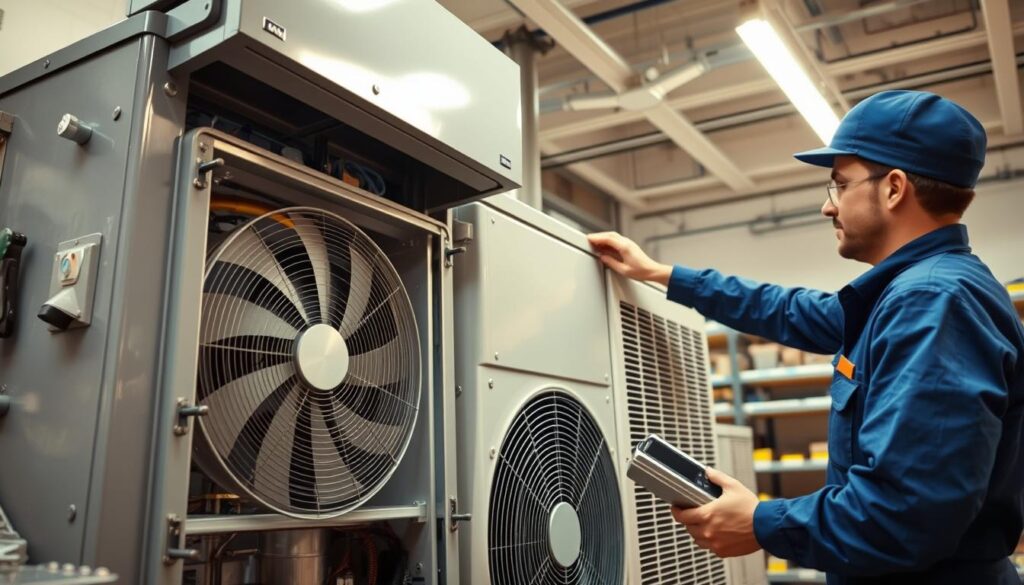
How Do Voltage and Power Requirements Influence Efficiency?
Your air conditioner’s voltage and power settings play a crucial role in its performance. Systems with variable-speed technology adjust their operation based on demand, ensuring no energy is wasted11. This adaptability can reduce energy use by up to 40% compared to traditional units11.
For example, during mild weather, your conditioner runs at a lower speed, consuming less power. When it’s hotter, it ramps up to cool your space quickly. This dynamic approach not only saves energy but also keeps your home consistently comfortable10.
What Maintenance Practices Enhance Inverter Performance?
Regular maintenance is key to keeping your air conditioning system running smoothly. Simple steps like cleaning or replacing filters every 1-3 months can improve airflow and efficiency10. Professional service checks, ideally twice a year, help catch potential issues early and extend your unit’s lifespan10.
Here are some practical tips to maintain peak performance:
- Clean Filters: Dirty filters restrict airflow, forcing your system to work harder and use more energy.
- Check Thermostat Settings: Adjusting your thermostat by just a few degrees can save up to 10% on your energy bill10.
- Inspect Outdoor Units: Keep the area around your outdoor unit clear of debris to ensure proper airflow.
By staying proactive with maintenance, you can avoid unexpected service needs and keep your conditioner running efficiently for years to come.
Exploring Real-World Applications, Brand Innovations, and User Success Stories
Curious about how top brands are revolutionizing cooling systems? From residential homes to commercial spaces, advanced inverter technology is making waves. Let’s dive into real-world applications, trusted models, and the latest innovations from industry leaders.
Which Models Have Gained the Most Consumer Trust?
When it comes to reliable options, LG and Samsung lead the pack. LG’s Smart Inverter Compressor, for example, uses R32 refrigerant with a low Global Warming Potential (GWP) of 675, making it both efficient and eco-friendly12. Samsung’s Digital Inverter Compressor is another standout, offering energy savings of up to 70% compared to traditional units13.
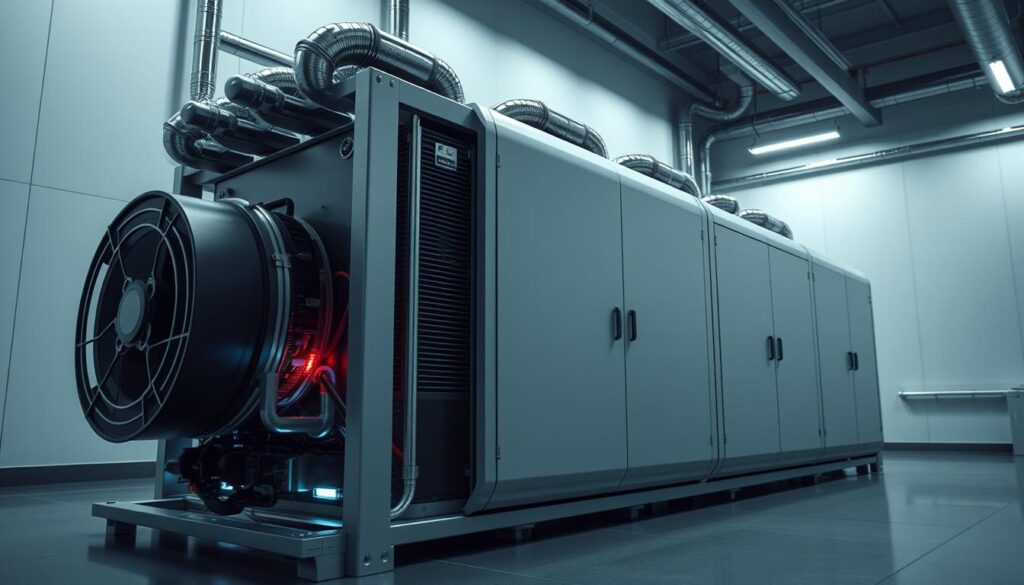
RIGID’s micro cooling solutions are also gaining traction, especially in commercial settings. Their systems are designed to meet specific cooling requirements, ensuring optimal performance in diverse environments. These brands have earned consumer trust through consistent performance and innovative features.
How Are Brands Integrating Advanced Technologies?
Brands are pushing the boundaries of innovation to deliver smarter, more efficient systems. LG’s Residential Cold Climate Heat Pump, for instance, operates effectively at temperatures as low as -35 degrees Celsius (-31 degrees Fahrenheit)12. This type of technology ensures reliable heating even in extreme conditions.
Samsung’s focus on smart appliances has also paid off. Their portfolio now includes 25% smart devices, up from just 8% a few years ago13. These advancements not only enhance user convenience but also contribute to significant energy savings.
| Brand | Key Innovation | Benefit |
|---|---|---|
| LG | Smart Inverter Compressor | Eco-friendly, low GWP refrigerant |
| Samsung | Digital Inverter Compressor | Up to 70% energy savings |
| RIGID | Micro Cooling Solutions | Optimized for commercial use |
These case studies highlight how brands are leveraging advanced components to meet modern cooling requirements. Whether you’re upgrading your home or optimizing a commercial space, these innovations offer practical benefits and long-term savings.
Conclusion
Ready to transform how you manage your home’s comfort and energy use? Advanced rotary technology ensures a consistent temperature, reducing energy consumption by up to 30%14. This not only lowers your bills but also enhances your living area with quieter, more reliable performance.
Regular repair and maintenance are key to keeping your system running efficiently. Simple steps like cleaning filters and scheduling professional checks can extend its lifespan by 10-15 years15. Staying proactive ensures your conditioning system works optimally, saving you money in the long run.
For the best results, consult a professional to evaluate your needs. Embracing energy-efficient solutions not only improves your work environment but also contributes to a sustainable future. Take the next step today and enjoy the benefits of advanced technology in your home.
FAQ
Are you experiencing high energy bills in your home?
How can small adjustments maximize HVAC efficiency?
What exactly is an inverter compressor?
How does variable-speed technology improve performance?
Why choose inverter over traditional compressor systems?
Can real-time adjustments really save energy?
How do voltage and power requirements influence efficiency?
What maintenance practices enhance inverter performance?
Which inverter models have gained the most consumer trust?
How are brands integrating advanced inverter technologies?
Source Links
- Understanding Inverter HVAC Systems: A Quick Guide – BVS Home Experts
- How Do Inverter AC’s Work?
- Inverter Air Conditioner: A Comprehensive Buyer’s Guide
- How to Prepare Your Home for AC Installation: Quick Tips
- HVAC
- Inverter Compressor vs Normal Compressor: What’s the difference?
- What is AC Inverter Technology? Everything You Need to Know
- Understanding Inverter Compressor vs Normal Compressor: A Guide
- Understanding what is inverter compressor: A Complete Guide
- How to Optimize Your HVAC System for Better Energy Savings in UAE
- VRF Systems Guide: Everything You Need to Know About Variable Refrigerant Flow
- LG’s Innovative HVAC Solutions Highlight Commitment to Decarbonization and Electrification | LG NEWSROOM – Part 2
- When Innovation in Air Conditioning Becomes Hot – Midea’s Disrupting Technologies
- What is Inverter AC – Advantages & Disadvantages
- Every Thing There Is To Know About Inverter AC: Comprehensive Guide – Daikin Blog


0 Comments