Stepping into a cool home during a storm feels like a relief, but have you ever wondered if your air conditioning unit is safe from lightning? Lightning releases billions of joules of energy, which can travel through your home’s electrical system and potentially damage your unit. While the chances are low, it’s essential to understand the risks and take precautions to protect your investment.
This guide will walk you through everything you need to know about lightning safety and how it relates to your air conditioning unit. From understanding the science behind lightning to practical steps you can take, we’ve got you covered. By the end, you’ll feel confident in protecting your unit during severe weather.
Key Takeaways
- Lightning can release billions of joules of energy, posing a risk to your home’s electrical system.
- While rare, lightning strikes can damage your air conditioning unit, leading to costly repairs.
- Unplugging your unit during a storm is a simple precautionary measure.
- Surge protectors alone may not be enough; consider additional protective devices like lightning rods.
- Regular maintenance by a certified technician can reduce the risk of damage by up to 75%.
Introduction: Navigating Storms with Confidence and Your Cooling System
When storm clouds roll in, your cooling system becomes both a comfort and a concern. Staying cool during a summer storm is essential, but so is protecting your air conditioning from potential risks. Severe weather can bring challenges, and your system plays a vital role in keeping your home comfortable.
Imagine sipping a cold drink while rain taps gently on the roof. It’s a moment of calm, but it’s also a reminder to take precautions. Turning off your system during a storm can help prevent damage, ensuring it continues to work efficiently for years to come.
This guide is here to help you balance safety with comfort. By taking proactive steps, you can protect your investment and enjoy a relaxed environment, even during severe weather. Let’s explore how you can navigate storms with confidence, knowing your cooling system is safe and ready to perform.
Understanding Lightning and Its Impact on Home Electrical Systems
Lightning is a powerful force of nature, but how does it impact your home’s wiring? When a lightning strike occurs, it releases billions of joules of energy. This energy can travel through your electrical system, causing surges that may damage appliances and devices.
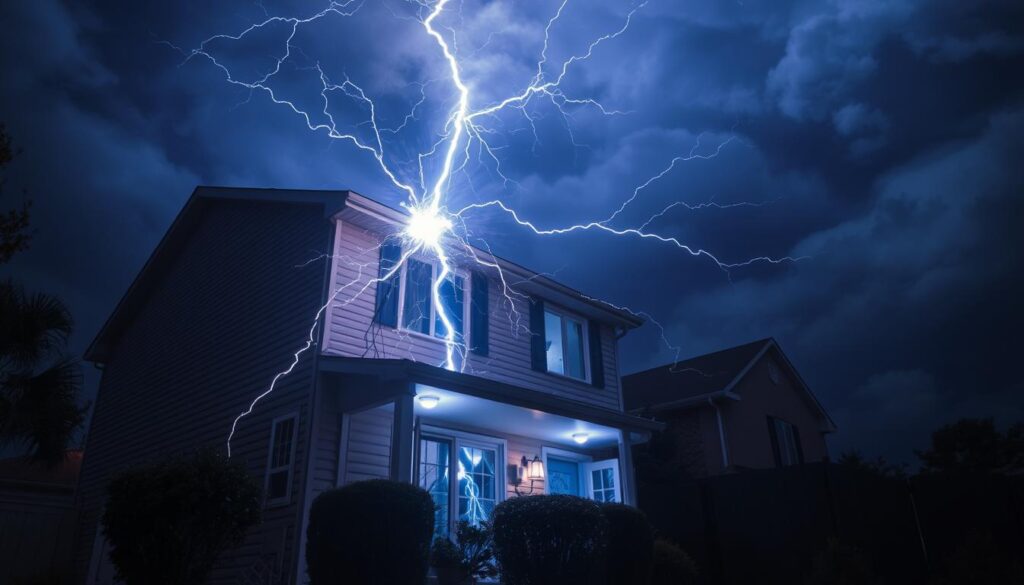
Think of a surge as a wild river of energy. It flows through your home’s wiring, searching for the path of least resistance. If your conditioning unit is connected, it could bear the brunt of this surge. The result? Potential damage to its internal components.
Understanding Surge Impacts
Surges are sudden spikes in voltage that can overwhelm your electrical system. They can fry circuits, melt wires, and even start fires. While surge protectors help, they aren’t always enough to handle the immense energy of a lightning strike.
Here’s what happens: when lightning hits nearby, it sends a high current through power lines. This current travels into your home, affecting everything connected to the grid. Your conditioning unit, like other appliances, is at risk.
The Science Behind Lightning Energy
Lightning is hotter than the surface of the sun, reaching up to 50,000 degrees Fahrenheit. This heat creates a rapid expansion of air, which we hear as thunder. But the real danger lies in the electrical charge, which can discharge billions of joules in milliseconds.
Research shows that lightning causes nearly $1 billion in property damage annually in the U.S. In 2014, the average claim for lightning damage was $7,400. These numbers highlight the importance of protecting your home and its systems.
| Year | Total Lightning Damage Claims | Average Claim Cost |
|---|---|---|
| 2014 | $739 million | $7,400 |
| 2015 | $790 million | $8,000 |
| 2016 | $1 billion | $7,500 |
Understanding these risks is the first step toward safeguarding your home. By taking precautions, you can reduce the chances of damage and ensure your electrical system remains intact.
Window AC Lightning Guide: Protecting Your Unit During Thunderstorms
As thunder rumbles in the distance, your cooling system becomes a potential target for electrical surges. Thunderstorms are more than just a summer spectacle—they can pose serious risks to your home’s electrical appliances. While the chance of a direct strike is low, the effects of a power surge can be devastating.
Imagine this: you’re enjoying a cozy evening when a loud clap of thunder shakes the house. Do you leave your cooling unit running, or do you take steps to protect it? Moments like these remind us of the importance of being proactive during severe weather.
Key Protective Measures for Your Cooling Unit
Thunderstorms can send sudden spikes of electricity through your home’s wiring. These power surges can fry circuits, damage control panels, and lead to costly repair bills. Here’s how you can safeguard your unit:
- Turn It Off: During intense storms, switch off your cooling unit at the breaker. This simple step can prevent damage from electrical surges.
- Use Surge Protectors: While they won’t stop a direct strike, surge protectors can absorb excess voltage and reduce the risk of damage.
- Pre-Cool Your Home: Lower the thermostat before the storm hits. This way, you can stay comfortable even after turning off the unit.
- Consider Whole-House Protection: Devices like whole-house surge protectors or grounding rods offer additional safety for your entire electrical system.
Balancing comfort and safety is key. While it’s tempting to keep your unit running during a storm, the risks often outweigh the benefits. By taking these precautions, you can protect your investment and avoid unnecessary repair costs.
Remember, thunderstorms are unpredictable. A little preparation can go a long way in keeping your home and cooling system safe. Stay informed, stay proactive, and enjoy the stormy weather with peace of mind.
Are You at Risk? Identifying the Dangers of Lightning Strikes on AC Units
Your air conditioner might be at risk during a storm—here’s why. Lightning can send powerful surges through your home’s electrical system, putting your cooling unit in danger. While a direct strike is rare, the effects of a surge can be devastating.
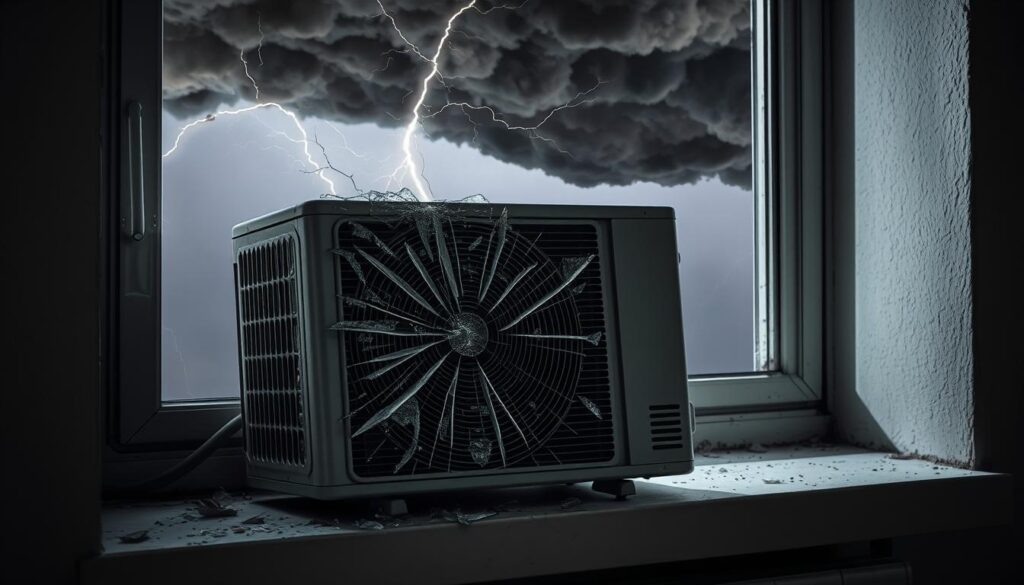
When lightning hits nearby, it can travel through power lines and into your house. This surge can fry circuits, melt plugs, and even destroy control panels in your air conditioner. Technicians often see units with damage caused by these sudden spikes in voltage.
Here are some common scenarios technicians encounter:
- Melted Plugs: Surges can overheat wiring, causing plugs to melt or burn.
- Fried Circuits: Control boards and other internal components are often the first to fail.
- Hidden Damage: Sometimes, the effects aren’t immediate. Your unit might seem fine but fail weeks later.
Signs your air conditioner might have suffered damage include strange noises, failure to turn on, or inconsistent cooling. If you notice these issues after a storm, it’s time to call a professional.
Here’s a look at the data on damage claims:
| Year | Total Claims | Average Repair Cost |
|---|---|---|
| 2020 | $850 million | $2,000 |
| 2021 | $900 million | $2,200 |
| 2022 | $950 million | $2,500 |
Protecting your house and air conditioner starts with awareness. If you live in an area prone to storms, consider scheduling an inspection with a certified technician. They can assess your unit and recommend protective measures like surge protectors or grounding rods.
Don’t wait until it’s too late. A little preparation can save you from costly repairs and keep your home comfortable all year round.
Why Turning Off Your AC During a Storm is Essential
When the skies darken and thunder rolls in, your cooling system’s safety becomes a top priority. Severe weather can bring unexpected risks, and taking a few simple steps can save you from costly repairs. Turning off your unit during a storm is one of the most effective ways to protect it from electrical surges.
Benefits of Shutting Down During Thunderstorms
Shutting down your cooling system during a storm offers immediate benefits. First, it reduces the risk of damage from sudden power surges. Even a brief surge can fry circuits or damage control panels, leading to expensive repairs.
Second, turning off your unit gives it a break. Continuous operation during a storm can strain the system, especially if the weather is extreme. By shutting it down, you’re extending its lifespan and ensuring it’s ready to perform when the storm passes.
Avoiding the Risks of Uninterrupted Power Surges
Power surges are sudden spikes in voltage that can overwhelm your electrical system. During a storm, these surges are more likely to occur, especially if lightning strikes nearby. Research shows that even a second of uninterrupted power can cause significant harm.
Technicians often share stories of units damaged by surges. In one case, a homeowner avoided costly repairs by simply turning off their system during a storm. This small action saved them thousands of dollars and kept their home comfortable.
Here’s what you can do:
- Turn It Off: Switch off your cooling system at the breaker during intense storms.
- Wait It Out: After the storm, wait at least 30 minutes before turning it back on.
- Inspect Regularly: Schedule professional inspections to ensure your system is in top shape.
Taking these steps can protect your investment and give you peace of mind during severe weather. Remember, a little preparation goes a long way in keeping your home safe and comfortable.
Practical Tips for Pre-Storm AC Maintenance and Protection
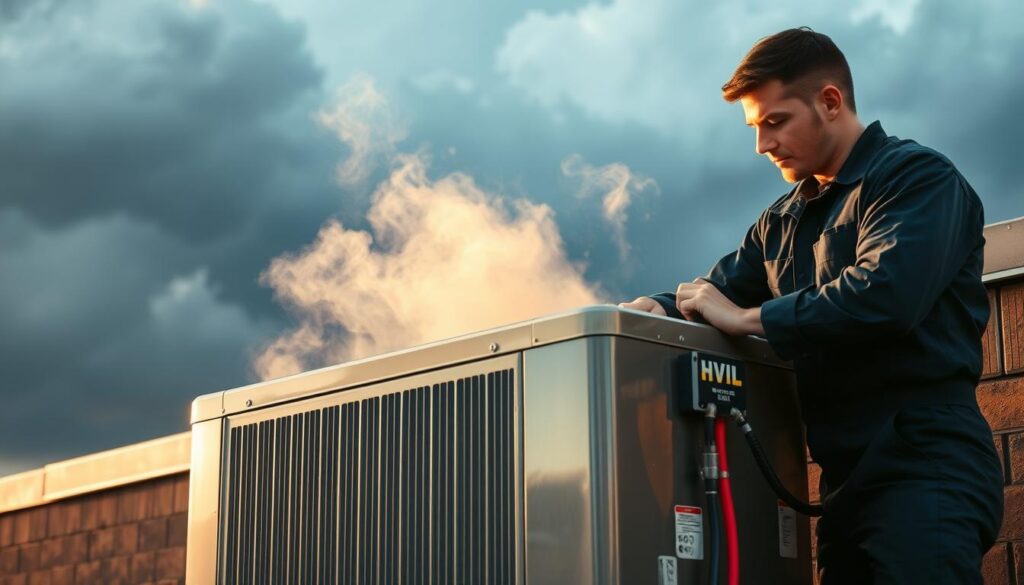
Taking care of your home’s cooling system before a storm hits can save you from costly repairs. Severe weather can strain your hvac system, but with a little preparation, you can keep it running smoothly. Think of it as giving your system a quick check-up to ensure it’s ready for whatever Mother Nature throws its way.
Scheduling Regular Inspections and Filter Changes
One of the best ways to protect your hvac system is by scheduling regular inspections. Certified technicians can spot potential issues before they become major problems. They’ll check everything from wiring to refrigerant levels, ensuring your system is in top shape.
Don’t forget about your filters! Dirty filters can reduce airflow, making your system work harder and use more energy. Replace them every 1-3 months, especially before storm season. It’s a small step that can make a big difference in performance.
Simple Steps for Pre-Storm Maintenance
Here’s a quick checklist to help you prepare your system:
- Inspect Outdoor Units: Clear debris like leaves or branches that could block airflow.
- Check Thermostat Settings: Ensure your control settings are optimized for efficiency.
- Test the System: Run your air conditioning heating to confirm it’s working properly.
- Secure Loose Parts: Tighten any bolts or screws to prevent damage from strong winds.
Proactive care not only extends the life of your system but also saves you money on repairs. By following these tips, you’ll be ready to face stormy weather with confidence.
How Lightning Can Damage Your AC’s Components
Storms bring more than just rain—they can put your cooling system at risk. Lightning, with its immense power, can send surges through your home’s electricity, damaging your air conditioning system. Even if a strike doesn’t hit directly, nearby lightning can wreak havoc on your device.
Damaging Surge Effects on Control Panels
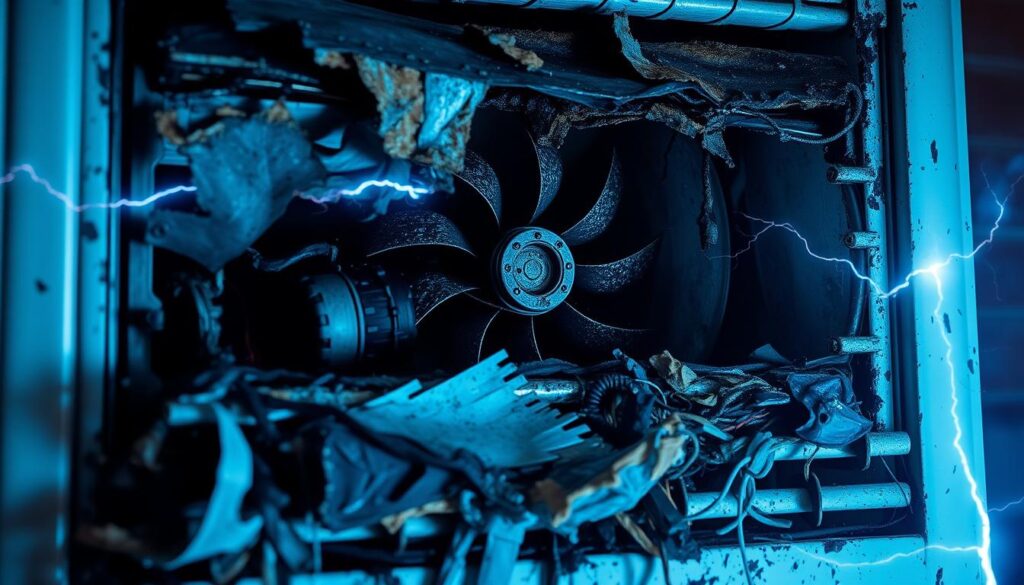
Think of a power surge as a tidal wave of electricity. When it hits your air conditioning system, the control panel is often the first casualty. These panels are the brains of your unit, managing everything from temperature settings to fan speeds. A surge can fry circuits, melt wiring, and render the entire device useless.
Technicians often find control panels with burnt components after storms. The heat from a surge can reach extreme levels, instantly damaging delicate parts. Without proper protection, your system’s brain is left vulnerable.
Component Failures and Repair Needs
Your outdoor unit is another critical area at risk. Surges can damage the compressor, fan motor, and even the capacitor. These parts work together to keep your home cool, but a single surge can disrupt their harmony.
For example, a capacitor acts like a battery, storing energy to start the compressor. When a surge hits, it can overheat and fail, leaving your unit unable to start. Similarly, the compressor’s windings can burn out, leading to costly repair needs.
Here’s a breakdown of common damages and their effects:
| Component | Damage | Repair Cost |
|---|---|---|
| Control Panel | Burnt Circuits | $200-$500 |
| Compressor | Burnt Windings | $1,000-$2,000 |
| Capacitor | Overheated Failure | $100-$300 |
Protecting your air conditioning system starts with understanding the risks. By investing in surge protectors and regular maintenance, you can shield your unit from storm-related damage. Remember, a little preparation can save you from expensive repair bills and keep your home comfortable all year round.
Industry Data and Research: What the Numbers Reveal About Lightning Damage
Understanding the real impact of lightning on your home’s systems starts with the numbers. Lightning isn’t just a flash in the sky—it’s a force that can cause significant damage to your air conditioning and other appliances. By diving into the data, you can see why taking precautions is essential.
Staggering Energy Surge Statistics
Lightning releases billions of joules of energy in milliseconds. This energy can travel through power lines, causing surges that damage your hvac system. According to the National Weather Service, lightning causes nearly $1 billion in property damage annually in the U.S.
Here’s what the numbers tell us:
- An average lightning strike carries 1 billion volts of electricity.
- Surges can travel up to 100 miles from the strike point.
- About 10% of lightning-related damage affects air conditioning units.
Real-World Repair Claims and Costs
When lightning strikes, the costs can add up quickly. Insurance claims show that the average repair cost for lightning damage is around $2,500. For hvac systems, this often includes replacing control panels, compressors, or capacitors.
Here’s a breakdown of recent claims:
| Year | Total Claims | Average Repair Cost |
|---|---|---|
| 2020 | $850 million | $2,000 |
| 2021 | $900 million | $2,200 |
| 2022 | $950 million | $2,500 |
These numbers highlight the importance of protecting your home’s systems. By investing in surge protectors and regular maintenance, you can reduce the risk of costly repairs.
What does this mean for you? It’s a reminder to stay proactive. Simple steps like turning off your air conditioning during a storm can save you thousands of dollars. Stay informed, and keep your home safe from lightning’s unpredictable power.
Ensuring Your Electrical System is Prepared for Severe Weather
Severe weather can test the limits of your home’s electrical setup, but with the right precautions, you can keep everything running smoothly. Storms bring challenges, from power surges to potential damage to your conditioning system. Taking proactive steps ensures your home remains safe and functional, even during the harshest conditions.
Installing Surge Protectors and Ground Rods
Surge protectors are a first line of defense against sudden spikes in voltage. They absorb excess electricity, shielding your home electrical system from damage. However, standard surge protectors have limitations. For comprehensive protection, consider installing ground rods.
Ground rods divert excess energy into the earth, reducing the risk of damage to your conditioning system. When combined with surge protectors, they create a robust defense against severe weather. Here’s how they work:
- Surge Protectors: Absorb excess voltage to protect connected devices.
- Ground Rods: Redirect electrical surges safely into the ground.
- Whole-House Systems: Offer protection for your entire electrical setup.
Modern Protective Devices and Techniques
Beyond surge protectors and ground rods, modern technology offers advanced solutions. Whole-house surge protectors, for example, safeguard every device connected to your home electrical system. These devices are particularly useful in areas prone to frequent storms.
Another effective technique is using point-of-use surge protectors for sensitive equipment. These devices provide an extra layer of security for items like computers and home theater systems. Here’s a comparison of protective devices:
| Device | Protection Level | Best Use |
|---|---|---|
| Standard Surge Protector | Low to Moderate | Small Appliances |
| Whole-House Surge Protector | High | Entire Electrical System |
| Ground Rods | Very High | Lightning Protection |
Regular maintenance is also crucial. Inspect your conditioning system and electrical setup before storm season. A certified technician can identify vulnerabilities and recommend upgrades. Small investments in protective devices can save you from costly repairs and ensure your home stays safe during severe weather.
Expert Insights: Real-Life Experiences from AC Service Technicians
Experienced technicians often share stories that reveal the hidden dangers of storm damage to cooling systems. Over the years, they’ve seen how even a single storm can leave lasting effects on a conditioning system. These professionals are the first to respond when something goes wrong, and their insights can help you avoid costly repairs.
Personal Stories and Trusted Advice
One technician recalls a homeowner who avoided a $2,000 repair by simply turning off their unit during a storm. Another shares how a clogged drain line caused water damage after heavy rain. These stories highlight the importance of proactive care and regular maintenance.
Here’s what technicians look for when assessing storm damage:
- Burnt Circuits: Surges can fry control panels, leaving your system unresponsive.
- Water Damage: Clogged drains or improper angles can cause leaks inside your home.
- Strange Noises: Grinding or rattling sounds often indicate internal damage.
Regular inspections can catch these issues early. For example, a one hour air service call saved a family from replacing their entire system. The technician found a refrigerant leak before it caused major damage.
Here’s a quick tip: After a storm, wait at least 30 minutes before turning your system back on. This gives the conditioning system time to stabilize and reduces the risk of further damage.
By following these steps and listening to expert advice, you can protect your home and keep your cooling system running smoothly. Remember, a little preparation goes a long way in preventing costly repairs.
Safe Practices: Operating Your AC During Rain vs. Thunderstorms
Rainy days can be cozy, but knowing when to keep your cooling system running is key to safety. While light rain is often harmless, thunderstorms bring risks that demand attention. Understanding the difference between these weather conditions can help you protect your home and maintain comfort.
When It’s Safe to Use Your Cooling System in Rain
Light rain poses little threat to your cooling system. In fact, your unit is designed to handle moisture. However, there are a few things to keep in mind:
- Check for Drainage: Ensure your outdoor unit is free of debris that could block water flow.
- Monitor the Weather: If rain is light and there’s no thunder, it’s generally safe to keep your system running.
- Inspect Afterward: After the rain stops, check for any signs of water pooling around the unit.
Rain can even help clean dust and dirt off your outdoor unit, improving its efficiency. Just make sure the area around it stays clear.
Turning Off Your Unit During Severe Storms
Thunderstorms are a different story. Lightning and power surges can damage your cooling system, leading to costly repairs. Here’s what to do:
- Shut It Down: Turn off your system at the breaker when lightning is predicted.
- Use Surge Protectors: While they won’t stop a direct strike, they can reduce the risk of damage.
- Wait It Out: After the storm, wait at least 30 minutes before restarting your system.
Proactive steps like these can save you from unexpected repair bills and keep your home safe.
Rainy weather can be soothing, but thunderstorms can turn it into a hazard. By understanding the risks and taking simple precautions, you can enjoy the comfort of your cooling system without worry. Stay informed, stay safe, and keep your home running smoothly.
Additional Considerations for Homeowners in Storm-Prone Areas
Living in storm-prone areas requires extra attention to your home’s electrical safety. Storms can bring unexpected challenges, but with the right preparation, you can protect your home and its systems. Let’s explore practical steps to reduce risks and ensure peace of mind during severe weather.
Geographical Factors and House Placement
Your home’s location plays a significant role in its vulnerability to storms. Areas with frequent thunderstorms or hurricanes face higher risks. For example, coastal regions often experience stronger winds and flooding, which can damage outdoor systems.
Elevating your outdoor units can reduce flood risks by up to 75%. Additionally, trimming nearby trees and securing loose objects can minimize damage from flying debris. These small adjustments can make a big difference in protecting your home.
Electrical Upgrades for Enhanced Safety
Upgrading your home’s electrical system is a smart investment. Whole-house surge protectors and ground rods can shield your home from power surges caused by nearby strikes. These devices work together to redirect excess energy safely into the ground.
Here’s how they help:
- Surge Protectors: Absorb excess voltage to protect connected devices.
- Ground Rods: Safely redirect electrical surges into the earth.
- Smart Thermostats: Allow remote management of your systems during storms.
Harmonizing Protective Measures
Protective measures work best when combined. For instance, surge protectors and regular maintenance can reduce the risk of damage by up to 60%. Proper heating management during surges also prevents cascading issues, ensuring your systems remain functional.
After a storm, wait at least 30 minutes before turning your systems back on. This gives your electrical setup time to stabilize and reduces the risk of further damage.
Evaluating Risk Objectively
Understanding your risk is key to effective preparation. Research shows that lightning causes nearly $1 billion in property damage annually in the U.S. In high-risk areas, the likelihood of system failures increases by 40%.
Here’s a quick look at recent data:
| Year | Total Claims | Average Repair Cost |
|---|---|---|
| 2020 | $850 million | $2,000 |
| 2021 | $900 million | $2,200 |
| 2022 | $950 million | $2,500 |
By evaluating your risk and taking proactive steps, you can protect your home and enjoy peace of mind during stormy weather.
Conclusion
Protecting your home’s systems during storms doesn’t have to be overwhelming. By turning off your unit during severe weather, you can significantly reduce the risk of damage. Simple steps like unplugging devices and using surge protectors add an extra layer of safety.
Regular maintenance is another key factor. Scheduling inspections ensures your system stays in top shape, while upgrades like whole-house surge protectors offer long-term benefits. These measures not only protect your investment but also keep your home comfortable year-round.
If you’re unsure where to start, consider consulting a local expert. They can provide personalized advice and help you implement the best protective strategies. Taking action now ensures you’re prepared for whatever the weather brings.
FAQ
Can a thunderstorm damage my air conditioning unit?
Should I turn off my air conditioner during a storm?
How can I protect my air conditioning unit from lightning?
What parts of my air conditioner are most vulnerable to lightning damage?
Is it safe to use my air conditioner during light rain?
How often should I inspect my air conditioning system for storm readiness?
Can a surge protector really protect my air conditioner?
What should I do if my air conditioner is struck by lightning?
Are newer air conditioning units more resistant to lightning damage?
How can I evaluate my home’s electrical system for storm readiness?
Source Links
- Is it OK to run your air conditioner during a thunderstorm?
- Air Conditioning Service | Do’s and Don’ts During a Thunderstorm
- JaxReady – Disaster Preparedness Guide
- Microsoft Word – Complete Guide.doc
- Identifying Lightning Damage to HVAC Systems – HVAC Investigators
- Protecting Your Home from Lightning | Travelers Insurance
- Shutting Off Your A/C During a Thunderstorm | Cates Heating And Cooling
- How to Safeguard Your AC During Thunderstorms and Heavy Rain in North Dallas | Air Repair Pros: Air Conditioning and Heating Services in Frisco TX
- Protecting Your AC Unit Before Storms
- How to Protect Your AC from Power Surges: Expert Tips
- Maximizing AC Safety: Protection Tips For Hurricane Season | Veteran Air®
- Setting the record straight when it comes to lightning safety
- Lightning Strikes and Your AC Condenser – A1 Air Conditioning & Heating
- How to Protect Your Air Conditioner During a Hurricane
- 8 Ways to Protect Your AC from Storms – Trane®
- Stay Safe During A Storm
- Understanding Air Conditioner Lightning Strikes
- How to Fix Storm-Related Electrical Damage to Your AC System
- Can Lightning Damage My AC Unit?
- Lightning Injuries: Practice Essentials, Background, Etiology
- Above + Beyond
- How to Prepare for and Safely Weather a Thunderstorm – United Way of Connecticut – 211 and eLibrary
- Stay Cool & Informed: Your Comprehensive Dive into Air Conditioning Service Excellence – One Hour Air Conditioning & Heating Fort Worth TX & North Dallas / Plano Area. Gladly servicing the Fort Worth and North Dallas Area.
- 4 Reasons Window Air Conditioners Could Fail — and How to Address Them – Today’s Homeowner
- HVAC Failure: Your Ultimate Guide to Prevention
- Weather Safety Rules
- What to Do Before, During, and After a Thunderstorm in Canada
- How to Get Your AC Working After a Storm | Noll ClimateCare
- How to Stormproof Your Home’s HVAC System, According to Experts
- How To Prepare Your AC For Hurricane Season | Express Air
- Staying Safe From Lightning While Indoors
- Lightning Damage Insurance Claims Guide For Policyholder’s
- Bad AC Capacitor Symptoms & Solutions



0 Comments