Ever noticed your air conditioner struggling to cool your home? It might be due to improper superheat levels. Superheat is the temperature difference between the refrigerant vapor and its saturation point, and it plays a critical role in your HVAC system’s efficiency. When not managed correctly, it can lead to poor cooling, higher energy bills, and even compressor damage.
According to industry expert John Tomczyk, understanding and measuring superheat is essential for maintaining your system’s health. Proper refrigerant temperature and pressure readings ensure your AC runs smoothly, saving you from costly repairs. By following manufacturer recommendations and system charts, you can optimize performance and extend your unit’s lifespan.
This guide will help you grasp the basics of superheat, why it matters, and how to keep your system in top shape. Let’s dive in and make your AC work smarter, not harder.
Key Takeaways
- Superheat ensures refrigerant remains in vapor form, protecting your compressor.
- Improper superheat levels can reduce cooling efficiency and increase energy costs.
- Regular monitoring of refrigerant temperature and pressure is crucial.
- Following manufacturer guidelines helps maintain system performance and longevity.
- Understanding superheat adds value to diagnosing and troubleshooting HVAC issues.
Unpacking the Basics of Superheat
What exactly happens inside your AC unit to keep your home cool? The answer lies in understanding superheat, a critical concept in HVAC systems. Think of it as the temperature difference between refrigerant vapor and its saturation point. This difference ensures the refrigerant stays in vapor form, protecting your compressor and maintaining efficiency.
What is Superheat in HVAC Systems?
Superheat is the extra heat added to refrigerant vapor after it’s fully evaporated. Imagine water boiling in a pot—once it reaches its boiling point, adding more heat turns it into steam. Similarly, in your AC’s evaporator coil, refrigerant absorbs heat from your home’s air, turning from liquid to vapor. The pressure and temperature in this process are key to system performance.
According to industry expert Bryan Orr, “Superheat acts as a safety net for your compressor. If refrigerant enters as a liquid, it can cause serious damage.” Proper suction line readings ensure the refrigerant is fully vaporized before reaching the compressor, keeping your system running smoothly.
Understanding Refrigerant Temperatures and Vaporization
Refrigerant moves through your AC system in a cycle, transitioning between liquid and vapor states. Inside the evaporator coil, it absorbs heat from your home, turning into a low-pressure vapor. This process is like water evaporating on a hot day—it requires energy to change states.
The pressure and temperature of the refrigerant are closely linked. As John Tomczyk explains, “Higher evaporating temperatures increase compressor capacity, but exceeding design limits can lead to inefficiency.” Following manufacturer guidelines ensures your system operates within safe parameters.
Using a proper gauge to measure vapor temperature is essential. It helps you identify issues like low refrigerant levels or blockages in the suction line. Regular monitoring keeps your AC in top shape, saving you from costly repairs.
Superheat Guide: Expert Techniques for Measuring and Calculating Superheat
Measuring and calculating superheat doesn’t have to feel like rocket science. With the right tools and techniques, you can ensure your HVAC system runs efficiently. Whether you’re a seasoned technician or a DIY enthusiast, understanding how to measure pressure and temperature is key to maintaining your system’s health.
How to Accurately Measure Pressure and Temperature
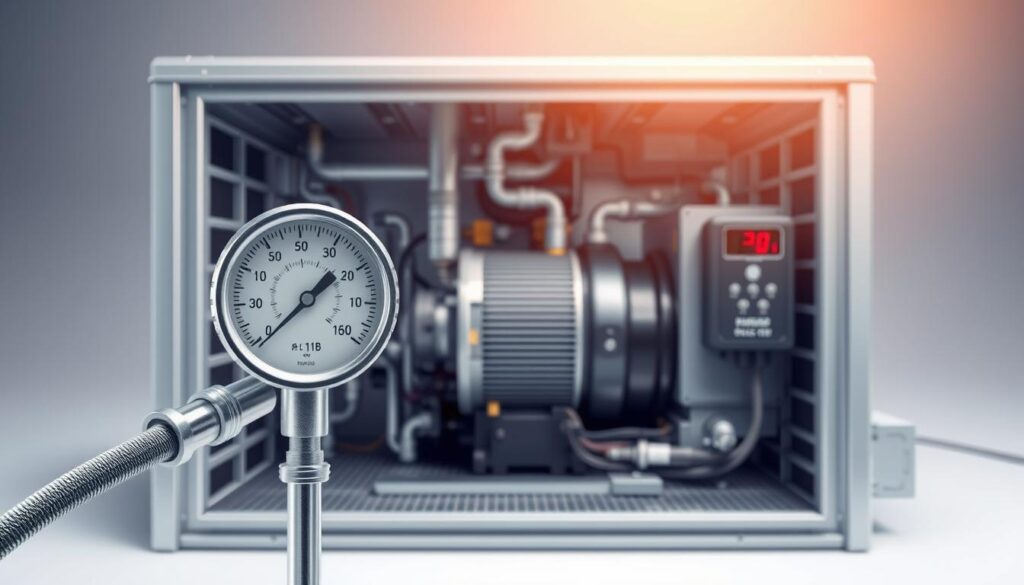
Start by letting your system run for 15-20 minutes to stabilize. This ensures accurate readings. Use a reliable gauge to measure the pressure in the suction line. According to Bill Johnson, “Proper sensor placement is crucial. Place the sensor close to the compressor for the most accurate results.”
Next, measure the temperature of the refrigerant vapor. Compare this reading to the boiling point of the refrigerant, which you can find on the manufacturer’s chart. This step ensures the refrigerant is fully vaporized before reaching the compressor.
Step-by-Step Superheat Calculation Process
Here’s a simple way to calculate superheat:
- Measure the refrigerant’s temperature at the suction line.
- Convert the pressure reading to its corresponding saturation temperature using the chart.
- Subtract the saturation temperature from the actual temperature to find the superheat value.
Joe Marchese advises, “Always double-check your readings. Small errors can lead to big problems, like overcharging the system or damaging the metering device.”
| Step | Action | Tool Needed |
|---|---|---|
| 1 | Measure suction line temperature | Temperature probe |
| 2 | Convert pressure to saturation temperature | Pressure gauge, manufacturer chart |
| 3 | Calculate superheat | Basic math |
By following these steps, you’ll protect your compressor and ensure your system operates at peak efficiency. Remember, slow and steady wins the race—take your time to avoid common mistakes.
Common Challenges and Mistakes in Superheat Measurement
Small mistakes in HVAC readings can lead to big problems down the line. Whether you’re new to the field or a seasoned pro, understanding common pitfalls is key to maintaining system efficiency. Let’s explore the challenges and how to avoid them.
Impacts of Inaccurate Readings on AC Performance
Incorrect pressure and temperature measurements can cause serious operation issues. For example, if liquid refrigerant enters the compressor, it can flood and damage the system. This often happens when readings on the liquid line or suction line are off.
John Tomczyk warns, “A poorly connected gauge can give you fictitious high readings, leading to incorrect adjustments.” Always ensure your tools are properly calibrated and securely attached.
Avoiding Fictitious Superheat Readings in the Field
One common problem is rushing through measurements. Friction in long piping or restrictions can alter suction pressure readings. Take your time to ensure the system is at a steady state before measuring.
Bryan Orr shares, “I’ve seen technicians misread boil points because they didn’t double-check their gauge connections. It’s a simple step that can save you from costly mistakes.”
Here’s a quick checklist to avoid errors:
- Ensure the system has run for 10-15 minutes before measuring.
- Double-check metering device connections and sensor placements.
- Cross-reference readings with manufacturer charts.
| Common Mistake | Solution |
|---|---|
| Rushing measurements | Wait for steady-state conditions |
| Poor gauge connections | Secure and calibrate tools |
| Ignoring friction in piping | Account for pressure drops |
By following these steps, you’ll avoid common issues and keep your system running smoothly. Remember, accuracy is everything in HVAC diagnostics.
Insights and Best Practices from Industry Experts
Ever wondered how industry experts keep HVAC systems running smoothly? It’s all about precision, the right tools, and a deep understanding of how temperature refrigerant and subcooling work together. Let’s dive into real-world experiences and actionable tips to help you master your system’s performance.
Real-World Technician Experiences and Sensory Details
Joe Marchese, a veteran technician, recalls a case where a simple miscalculation led to a compressor failure. “I was rushing through measurements and missed a critical point,” he shares. “Now, I always double-check my readings and let the system stabilize for at least 15 minutes.”
Bill Johnson emphasizes the importance of sensory details. “You can often hear or feel when something’s off—like unusual vibrations or inconsistent airflow. Trust your instincts, but always back them up with data.”
Recommendations on Tools, Calibration, and System Evaluation
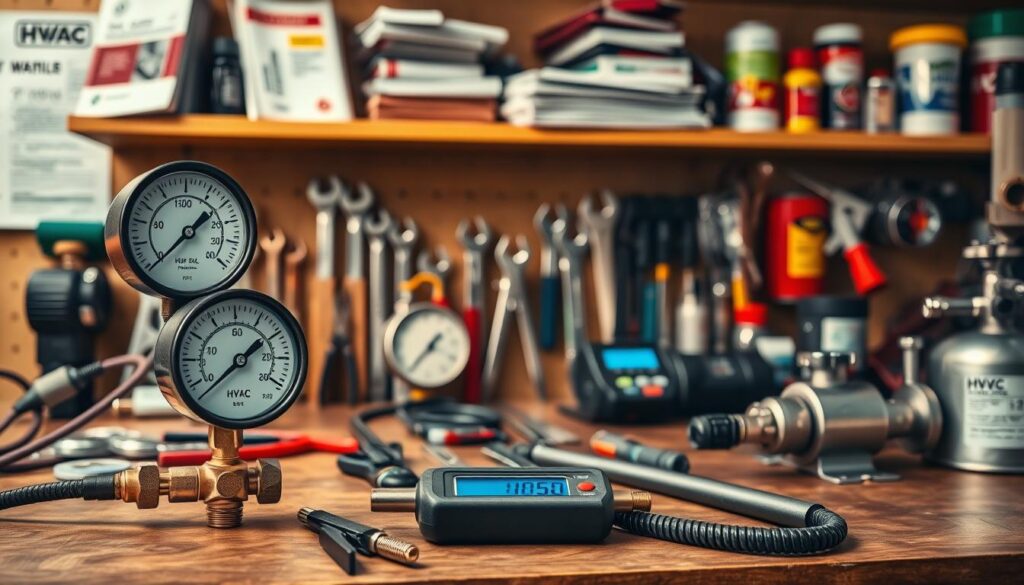
Accurate measurements start with the right device. Invest in high-quality gauges and sensors. As Joe advises, “A poorly calibrated tool can give you false readings, leading to costly mistakes.”
Here’s a quick checklist for effective system evaluation:
- Ensure proper calibration of all tools before use.
- Measure both superheat and subcooling for a complete picture.
- Cross-reference readings with manufacturer charts to confirm accuracy.
Bill adds, “Don’t overlook the service aspect. Regular maintenance and calibration can prevent most issues before they escalate.”
By following these expert tips, you’ll not only improve your system’s efficiency but also extend its lifespan. Remember, every measurement point matters—take your time and get it right.
Final Thoughts and Next Steps
Keeping your AC unit in top shape doesn’t have to be overwhelming. By now, you’ve learned the importance of accurate measurements and the common challenges to avoid. There’s always a way to optimize your system’s performance and protect its compressor.
Start by ensuring your tools are calibrated to the correct degree tolerances. Regular maintenance, like checking refrigerant levels and cleaning coils, can make a big difference. Don’t forget to consult manufacturer charts for precise adjustments.
Your HVAC system is a vital part of your home. Taking these steps will not only improve efficiency but also extend its lifespan. Remember, continuous improvement is key to keeping your unit running smoothly.
Ready to take the next step? Schedule a professional check-up or dive deeper into trusted resources. With a little effort, you can ensure your AC performs at its best, saving you time and money in the long run.
FAQ
What is superheat in HVAC systems?
How do refrigerant temperatures and vaporization affect my AC?
How can I accurately measure pressure and temperature?
What’s the step-by-step process for calculating superheat?
How do inaccurate superheat readings impact AC performance?
What tools are recommended for superheat measurement?
Why is calibration important for system evaluation?
Source Links
- Superheat and Subcooling: What it Means for Your HVAC
- Understanding Superheat
- Impact of Suction, Evaporating Temperatures & Pressures on Refrigerant Compressor Capacity
- FLX-PX02.indd
- 474891 Packaged DX Module for Make-Up Air, Rev. 6, April 2024
- What is Superheat and Subcooling in HVAC: A Comprehensive Guide – Pure Eco Inc
- Superheat And Subcooling Made Simple
- What Is Superheat In Refrigeration
- A Beginning HVAC Tech’s Guide for Understanding Superheat
- HVAC system acting up? Take a look at its superheat measurements
- Best Practices For Charging a Residential Cooling System With Refrigerant
- How to Improve Your Refrigeration Efficiency
- Guide to Refrigeration Systems
- What Are Superheat and Subcooling? – Understand Your HVAC
- What is Superheat and Subcooling in HVAC? Understanding the Basics


0 Comments