
Imagine sitting with a warm cup of coffee, trying to make sense of the efficiency ratings for your heat pump. You’re not alone—many homeowners find terms like HSPF and SEER confusing. But don’t worry, this guide is here to simplify the process and help you make informed decisions.
Understanding the Heating Seasonal Performance Factor (HSPF) is crucial for choosing the right heat pump for your home. As of January 2023, the Department of Energy requires split system heat pumps to have an HSPF2 of 7.5 or higher. This ensures better energy efficiency and cost savings over time.
With the right information, you can save money on your energy bills and enjoy a more comfortable home. This guide will break down the technical jargon and provide actionable insights to help you select the best heating system for your needs.
Key Takeaways
- HSPF measures the efficiency of your heat pump during heating months.
- Higher HSPF ratings mean better energy efficiency and lower costs.
- Proper sizing of your heat pump is essential for optimal performance.
- Heat pumps can reduce electricity use for heating by 50% compared to traditional furnaces.
- Energy Star-certified units meet strict efficiency guidelines set by the EPA.
Understanding the Key Concepts Behind HSPF
When winter arrives, you might wonder how your heating system keeps your home cozy. The Heating Seasonal Performance Factor (HSPF) is a key metric that measures your heat pump’s efficiency during colder months. Think of it as the “miles per gallon” rating for your heating system—the higher the number, the more efficient it is.
Defining Heating Seasonal Performance Factor for Your Home
HSPF measures how well your heat pump converts electricity into heat. For instance, if your unit has an HSPF of 8, it produces 8 BTUs of heat for every watt-hour of electricity used. This efficiency rating helps you understand how much warmth you’re getting for your energy dollars.
How HSPF is Calculated and What It Means in BTUs per Watt-Hour
The Department of Energy (DOE) calculates HSPF by dividing the total heating output in BTUs by the total electricity consumed in watt-hours during the heating season. For example, a heat pump that produces 100,000 BTUs while using 10,000 watt-hours has an HSPF of 10. This means it’s highly efficient.
Knowing your hspf rating is crucial for choosing the right unit for your climate and home size. In colder regions, a higher rating ensures your system works efficiently even in freezing temperatures. It’s like having a reliable winter coat—your heat pump needs to perform well when it’s needed most.
By understanding these concepts, you can make informed decisions about your heating system. Whether you’re upgrading or installing a new unit, a higher seasonal performance factor means better comfort and savings for your home.
Exploring the Benefits of a High HSPF Rating
Ever wondered how much you could save with a more efficient heating system? A high HSPF rating can make a big difference in your energy bills and overall comfort. Let’s break down why investing in an efficient heat pump is worth it.
Energy Savings and Reduced Utility Bills
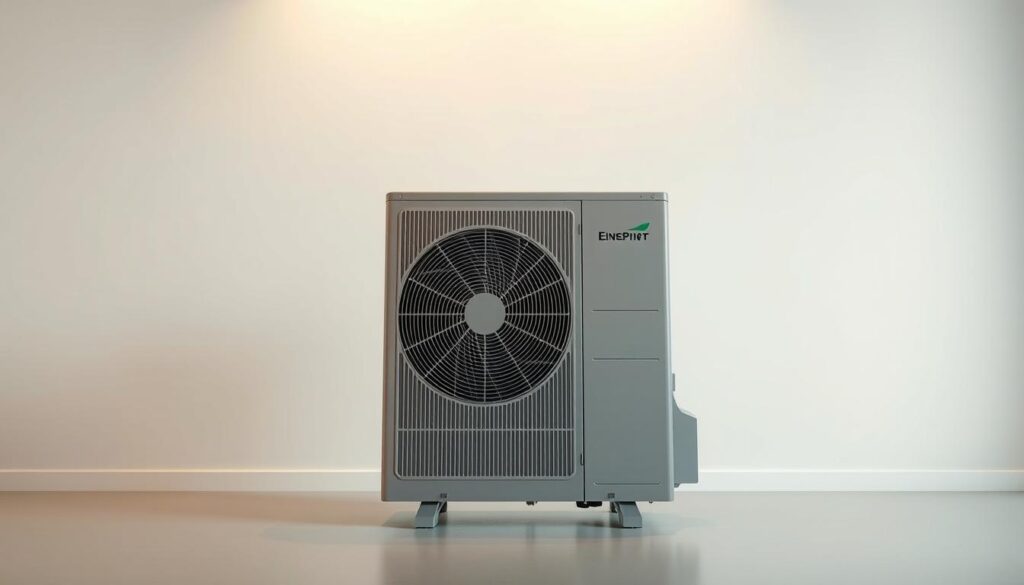
An efficient heat pump with a high HSPF rating can reduce your energy consumption by up to 50%. This means lower utility bills and more savings in your pocket. For example, homeowners in colder climates have reported cutting their heating costs by hundreds of dollars annually.
According to the Department of Energy, these systems can transfer up to 300% more energy than they use. That’s like getting three times the warmth for the same cost. Over time, these savings add up, making the initial investment worthwhile.
Environmental Impact and Long-Term Cost Efficiency
Choosing a high HSPF unit isn’t just about saving money—it’s also about reducing your carbon footprint. Lower energy consumption means less demand on power plants, which often rely on fossil fuels. This makes your home heating system more eco-friendly.
While the upfront cost of an efficient heat pump may be higher, the long-term savings and environmental benefits make it a smart choice. Plus, many regions offer tax rebates and incentives for upgrading to energy-efficient systems, further offsetting the initial expense.
By investing in a high HSPF unit, you’re not just improving your home’s comfort—you’re also making a positive impact on the climate and your wallet.
Your hspf guide to Choosing the Perfect Heat Pump
Choosing the right heat pump can feel like picking the perfect car for your lifestyle—performance matters in every season. Just as a sports car needs to handle both speed and comfort, your heating system must excel in both winter and summer. Understanding the dual ratings of HSPF2 and SEER2 is the key to making an informed decision.
Comparing HSPF and SEER Ratings for Dual Performance
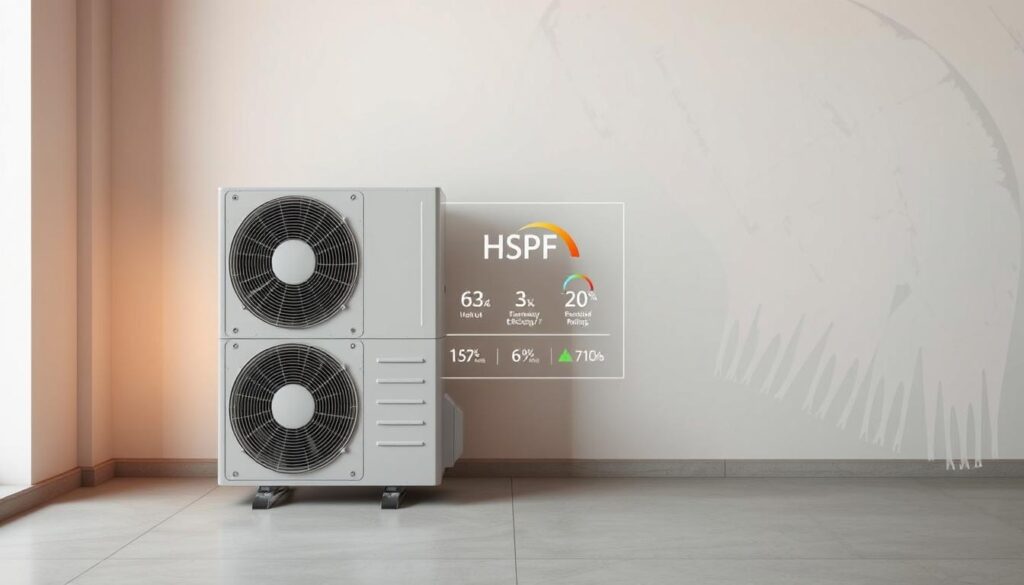
Think of HSPF2 as your heat pump’s winter performance score, measuring how efficiently it heats your home. On the other hand, SEER2 reflects its summer efficiency, showing how well it cools. A higher hspf rating ensures your system works effectively in cold weather, while a balanced SEER2 rating keeps you comfortable during heatwaves.
For example, a unit with an HSPF2 of 9 and a SEER2 of 16 is like a car with excellent fuel efficiency and smooth handling—it performs well year-round. HVAC professionals often recommend this balance for optimal heating cooling performance.
Factors to Consider for Optimal Heat Pump Efficiency in Your Climate
Your climate plays a big role in choosing the right system. In colder regions, prioritize a high hspf rating to ensure your heat pump can handle freezing temperatures. In warmer areas, focus on a higher SEER2 rating for efficient cooling.
Here’s a quick comparison to help you decide:
| Climate | Recommended Rating | Key Benefit |
|---|---|---|
| Cold | HSPF2 ≥ 9 | Efficient heating in freezing conditions |
| Moderate | HSPF2 ≥ 8, SEER2 ≥ 16 | Balanced performance year-round |
| Hot | SEER2 ≥ 18 | Superior cooling efficiency |
Consulting a local Trane dealer or HVAC professional can help you find the perfect match for your home. They’ll assess your heating system needs and recommend a unit that minimizes wear while maximizing efficiency.
By focusing on both HSPF2 and SEER2 ratings, you’ll ensure your heat pump delivers consistent comfort and savings, no matter the season.
Delving into Industry Trends and Updated DOE Standards
The heating and cooling industry is evolving, and understanding the latest standards is key to making smart choices. Recent updates to efficiency ratings and testing procedures are reshaping how homeowners and professionals approach heating systems. Let’s explore what’s new and how it impacts your home.

Recent Updates on HSPF2 and Testing Procedures
As of January 2023, the Department of Energy (DOE) introduced stricter requirements for split system heat pumps. The new HSPF2 standard mandates a minimum rating of 7.5, ensuring better output and efficiency. This update reflects refined testing procedures that account for real-world conditions, providing more accurate measurements.
For example, the transition from HSPF to HSPF2 includes adjustments for external static pressure, making the ratings more reliable. This means you can trust the product specifications to align with actual performance, especially during the heating season.
Statistics on Energy Efficiency and Savings from Trusted Sources
New standards aren’t just about compliance—they’re about savings. According to the DOE, updated efficiency requirements could save homeowners billions in energy costs over the next 30 years. For instance, systems with a lower hspf rating are being phased out, encouraging the adoption of more efficient models.
Here’s a quick look at how these changes impact different regions:
| Region | Minimum HSPF2 Rating | Key Benefit |
|---|---|---|
| Northern States | 7.5 | Improved heating efficiency in cold climates |
| Southern States | 8.1 | Balanced performance for milder winters |
These updates also benefit HVAC professionals, who can now recommend systems that meet higher standards and deliver consistent output. For homeowners, this means lower energy bills and a smaller carbon footprint.
When researching products, consider these trends to ensure your heating system is both efficient and future-proof. Staying informed about the latest standards helps you make the best choice for your home and budget.
Personal Insights and Expert HVAC Tips
Have you ever wondered how your neighbors stay comfortable year-round without breaking the bank? The secret often lies in choosing the right heating system and maintaining it properly. Let’s dive into some real-life stories and expert advice to help you make the best decision for your home.

Real-Life Experiences from Homeowners and HVAC Professionals
Sarah, a homeowner in Minnesota, recently upgraded her heat pump to a model with a higher efficient heat rating. “Our old system struggled during the heating season, but the new one keeps us warm even in sub-zero temperatures,” she shared. Her electricity bills dropped by 30%, proving that investing in the right system pays off.
HVAC professionals also emphasize the importance of proper sizing. “A unit that’s too small works overtime, while one that’s too large wastes energy,” says John, a certified technician. He recommends a Manual J calculation to determine the ideal size for your home, ensuring optimal cooling and heating performance.
Practical Advice on Matching Heat Pumps to Your Home’s Needs
When selecting a heat pump, consider your climate and home size. In colder regions, prioritize a higher efficient heat rating to handle freezing temperatures. For warmer areas, focus on cooling efficiency to stay comfortable during heatwaves.
Here are some expert tips to guide your decision:
- Size Matters: Ensure your unit matches your home’s square footage to avoid inefficiency.
- Air Quality: Look for systems with advanced filtration to improve indoor air quality.
- Energy Savings: Choose models with high SEER and HSPF ratings to reduce electricity consumption.
By following these tips, you can enjoy consistent comfort and lower energy bills. Don’t hesitate to consult a local HVAC specialist to find the perfect system for your home.
Decoding the Glossary of HVAC Efficiency Terms
Navigating the world of HVAC efficiency terms can feel like learning a new language. But don’t worry—we’re here to simplify the jargon and help you understand what really matters when it comes to your heating and cooling system.
Clarifying Technical Jargon for Better Understanding
Let’s start with energy efficiency. This term refers to how well your system uses energy to heat or cool your home. Think of it like a car’s fuel efficiency—the better it performs, the less energy it wastes.
Next, efficiency heating focuses specifically on how effectively your system warms your home during colder months. A system with high efficiency heating uses less energy to produce the same amount of warmth, saving you money on utility bills.
Another key term is energy efficiency rating. This is a numerical value that measures how efficient your system is. For example, a higher rating means your system uses less energy to achieve the same level of comfort.
Understanding these terms can help you make smarter choices for your home. For instance, a system with a high energy efficiency rating not only saves you money but also reduces your environmental impact.
Here’s a quick breakdown of these terms in everyday language:
- Energy Efficiency: How well your system uses energy to heat or cool your home.
- Efficiency Heating: How effectively your system warms your home during winter.
- Energy Efficiency Rating: A score that tells you how efficient your system is.
By breaking down these terms, you can better understand what to look for in a heating and cooling system. Whether you’re upgrading or installing a new unit, knowing these concepts ensures you get the most out of your investment.
Conclusion
Making the right choice for your home’s heating doesn’t have to be overwhelming. By understanding efficiency ratings like HSPF, you can ensure your heat pump keeps you comfortable while saving on energy costs. Remember, a higher rating means better performance and lower bills, especially during colder months.
Choosing the right system for your home is about more than just numbers—it’s about finding a solution that fits your needs. Proper sizing and professional installation are key to maximizing your heat pump’s potential. Consulting an HVAC expert can help you navigate the options and make an informed decision.
Taking the time to research and invest in an efficient heating system pays off in the long run. Not only will you enjoy a cozy home, but you’ll also reduce your energy consumption and environmental impact. Start your journey today by scheduling a consultation and take the first step toward smarter, more efficient home comfort.
FAQ
What is Heating Seasonal Performance Factor (HSPF)?
How does a high HSPF rating benefit me?
What’s the difference between HSPF and SEER?
How do I choose the right heat pump for my climate?
What is HSPF2, and how does it differ from HSPF?
Can a high HSPF heat pump really save me money?
What factors should I consider for optimal heat pump efficiency?
Are there any recent updates to HSPF standards?
Source Links
- What is HSPF2 and Heat Pump Efficiency? – Trane®
- What Does HSPF Mean For Heat Pumps?
- HSPF Ratings: What You Need to Know
- Understanding Heat Pump Heating Efficiency & HSPF – Lawes Company
- SEER vs HSPF vs (S) COP Heat Pump Ratings – How to Compare
- HSPF: Understanding Heat Pump Efficiency Ratings – Lombardi Energy
- What is HSPF? Heat Pump Efficiency Explained
- Understanding HSPF & Heat Pump Heating Efficiency – McAllister Energy
- A Guide to Heat Pumps: Which One is Right for You?
- How HSPF Ratings Can Help You Decide When to Replace Your Heat Pump
- SEER to SEER2 Conversion: Understanding the 2025 Air Conditioner Efficiency Standard
- HVAC Contractor Trends | Motili
- How to Choose the Right HVAC System for Your Home
- Tips for Dealing with HVAC Pros – Today’s Homeowner
- HSPF2 Unveiled: Your Ultimate Guide to Heating Efficiency – NH’s Top Choice for Home Comfort | Sanford Temperature Control
- The Definitive Glossary of HVAC Terms You Were Looking For | DIY Home Comfort
- HVAC Term Glossary
- Decoding Common HVAC Terminology | McGowan’s Heating
- Understanding Heat Pump Efficiency Ratings: SEER, HSPF
- Heat Pump Ratings Explained: SEER, HSPF, and COP Guide



0 Comments