
Are you tired of high energy bills and inconsistent cooling from your air conditioning system? The electronic expansion valve (EEV) might be the solution you’ve been looking for. This innovative valve adjusts refrigerant flow with precision, improving efficiency and reducing energy consumption by up to 15% compared to traditional systems.
Modern refrigeration systems rely on advanced components like the EEV to maintain optimal performance. Unlike older expansion valves, the EEV responds quickly to changes in cooling demand, ensuring your system runs smoothly even during peak usage. Its integration with intelligent controllers and sensors makes it a game-changer for both residential and commercial applications.
Whether you’re dealing with an aging AC unit or planning a new installation, understanding how the EEV works can help you make informed decisions. This guide will walk you through its benefits, troubleshooting tips, and why it’s a must-have for efficient air conditioning.
Key Takeaways
- Electronic expansion valves improve AC efficiency by up to 15%.
- They provide precise control over refrigerant flow for consistent cooling.
- EEVs respond faster to load changes than traditional valves.
- They are ideal for both residential and commercial applications.
- Regular maintenance ensures optimal performance and longevity.
Opening Insights: Solving AC Efficiency Challenges
Ever felt your AC isn’t keeping up with the heat? You’re not alone. Many homeowners and businesses face the same struggle—uneven cooling, high energy bills, and a system that seems to work harder without delivering results. It’s frustrating, especially when you’re counting on your air conditioning to provide comfort during the hottest months.
Have you ever wondered why your system isn’t performing at its best? Often, the issue lies in outdated components like traditional expansion valves. These older models can’t adjust quickly to changing cooling demands, leading to inefficiencies and discomfort. But there’s a solution: the electronic expansion valve (EEV).
Unlike older valves, the EEV uses advanced controllers and sensors to regulate refrigerant flow with precision. This means your system can respond instantly to changes in temperature and load, ensuring consistent cooling and lower energy consumption. Brands like Danfoss, Sporlan, and Carel have pioneered this technology, making it a reliable choice for both residential and commercial applications.
Research shows that upgrading to an EEV can improve refrigeration efficiency by up to 15%. Imagine the savings on your energy bills and the comfort of a system that works smarter, not harder. It’s a win-win for your wallet and your peace of mind.
Whether you’re dealing with an aging AC unit or planning a new product installation, the EEV offers a modern solution to your cooling challenges. By combining scientific innovation with real-world application, this technology is transforming the way we think about air conditioning.
Understanding the Electronic Expansion Valve Technology
Have you ever wondered how your AC system stays so efficient? The answer lies in a small but powerful component: the electronic expansion valve. This device plays a crucial role in regulating refrigerant flow, ensuring your system operates at peak performance.
What is an Electronic Expansion Valve and How Does It Work?
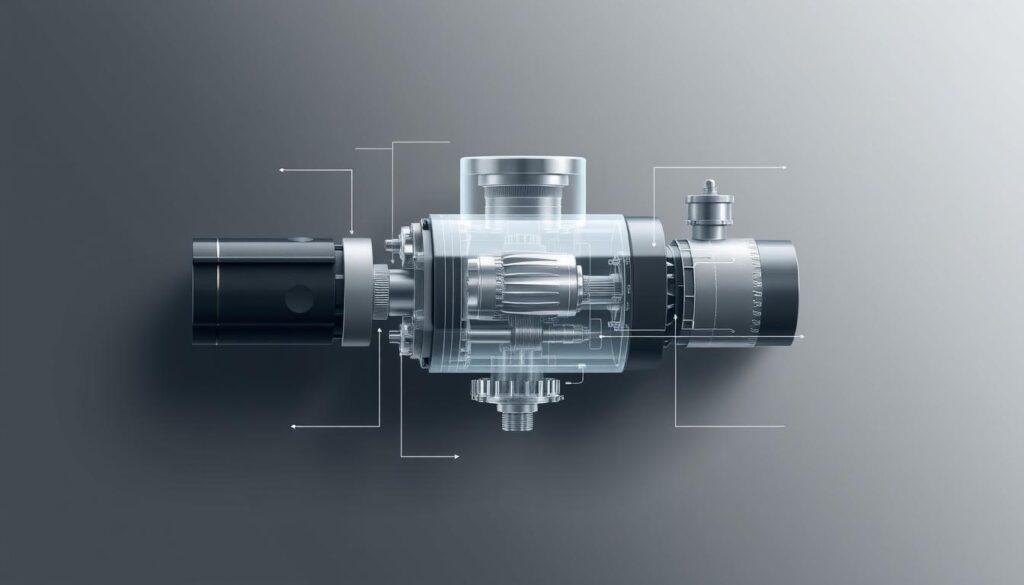
An electronic expansion valve (EEV) is a high-tech device that controls the flow of refrigerant in your system. Think of it as the traffic cop of your AC unit, directing refrigerant to where it’s needed most. Unlike traditional expansion valves, which rely on mechanical adjustments, the EEV uses digital sensors and an internal controller to make precise changes in real time.
Here’s how it works: The controller acts like the brain of the system, processing data from temperature and pressure sensors. Based on this information, it adjusts the valve’s opening to optimize refrigerant flow. This process happens in seconds, ensuring your system responds quickly to changes in cooling demand.
Advantages Over Traditional Expansion Valves
Traditional thermal expansion valves (TXV) are like old-school thermostats—they work, but they’re slow and imprecise. In contrast, the EEV is like a smart thermostat, offering rapid response and pinpoint accuracy. Here’s why the EEV stands out:
- Precision Control: The EEV adjusts refrigerant flow with incredible accuracy, ensuring consistent cooling.
- Rapid Response: It can go from fully closed to fully open in seconds, adapting instantly to load changes.
- Energy Efficiency: By up to 15%, reducing your energy bills and environmental impact.
- Wide Operating Range: It performs well in various conditions, from mild to extreme temperatures.
| Feature | Traditional Valve | Electronic Valve |
|---|---|---|
| Response Time | Slow | Instant |
| Control Precision | Basic | High |
| Energy Efficiency | Moderate | Up to 15% Better |
| Operating Range | Limited | Wide |
Manufacturers like Danfoss and Sporlan have embraced this technology, making it a reliable choice for both residential and commercial applications. Whether you’re upgrading an old system or installing a new one, the EEV offers a modern solution to your cooling needs.
eev guide: Enhancing Your Refrigeration System
Looking to upgrade your refrigeration system for better performance? The electronic expansion valve (EEV) is a game-changer. It’s designed to optimize your system by ensuring precise control over refrigerant flow. Let’s dive into how it works and why it’s worth considering.
Key Components and Operational Mechanisms
At the heart of the EEV are three main components: the valve, sensors, and controller. Together, they create a seamless process that boosts efficiency. The sensors monitor temperature and pressure, sending data to the controller. Based on this information, the controller adjusts the valve’s opening to regulate refrigerant flow.
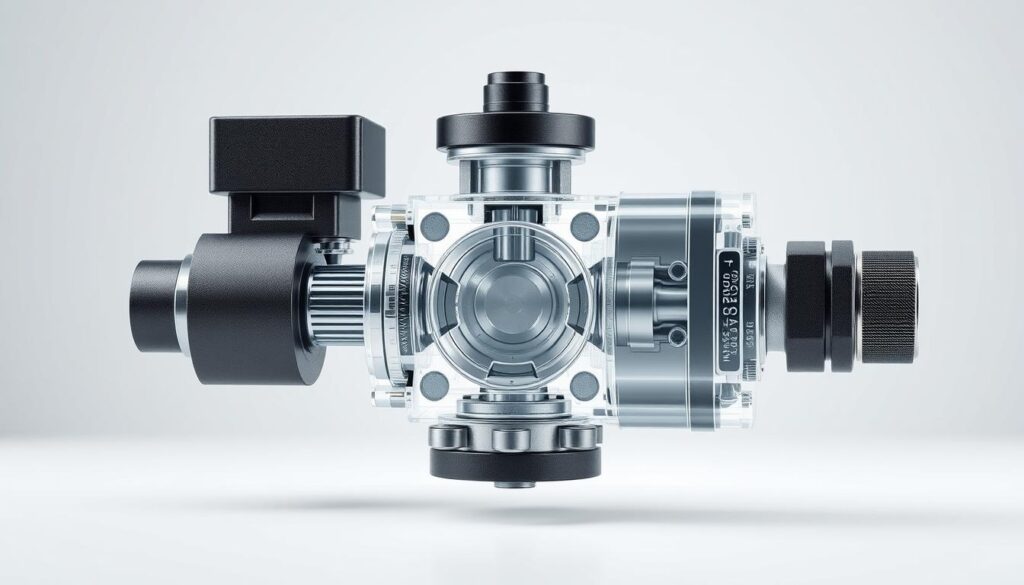
This real-time adjustment ensures your system operates at peak performance, even during fluctuating cooling demands. Unlike older expansion valves, the EEV responds instantly, maintaining consistent temperatures and reducing energy waste.
Digital Versus Electromagnetic Valve Options
When choosing an EEV, you’ll encounter two main types: digital and electromagnetic. Digital valves use stepper motors for precise adjustments, making them ideal for complex systems. Electromagnetic valves, on the other hand, rely on coils for faster response times, suitable for simpler setups.
Both options offer unique benefits. Digital valves excel in energy savings and precise control, while electromagnetic valves are known for their durability and quick operation. Leading manufacturers like Danfoss and Sporlan provide reliable options for various applications.
By understanding these components and options, you can make informed decisions about upgrading your system. The EEV not only enhances performance but also extends the lifespan of your refrigeration equipment. Ready to take the next step? Let’s explore installation techniques in the following section.
Installation Techniques and Controller Integration
Ready to take your refrigeration system to the next level? Installing an electronic expansion valve (EEV) can significantly boost efficiency and performance. With the right approach, you can ensure a smooth and successful installation that maximizes your system’s potential.
Step-by-Step Installation Process
Follow these steps to install your electronic expansion valve correctly:
- Prepare the System: Turn off the power and evacuate the refrigeration system to 500 microns. This ensures a clean environment for installation.
- Position the Valve: Place the valve before the evaporator for optimal performance. Ensure it’s securely mounted and properly insulated.
- Integrate the Controller: Connect the controller to the valve and sensors. Follow the manufacturer’s wiring diagram to avoid errors.
- Test the System: Power up the system and monitor the controller’s output. Adjust settings as needed to achieve the desired superheat range.
Best Practices and Common Pitfalls
To ensure a successful installation, keep these tips in mind:
- Accurate Sensor Placement: Position sensors at the evaporator outlet for precise superheat measurement.
- Proper Insulation: Insulate the heat motor to maintain consistent performance, especially in colder environments.
- Avoid Oversizing: Choose a valve that matches your system’s capacity to prevent temperature and pressure swings.
Common mistakes include incorrect wiring, improper valve sizing, and neglecting to evacuate the system. Double-check each step to avoid these issues.
Controller Integration for Optimal Performance
Integrating the controller is crucial for achieving peak efficiency. The controller uses data from sensors to adjust the valve’s opening in real time. This ensures your system responds quickly to changes in cooling demand.
| Feature | Traditional Valve | Electronic Valve |
|---|---|---|
| Response Time | Slow | Instant |
| Control Precision | Basic | High |
| Energy Efficiency | Moderate | Up to 15% Better |
| Operating Range | Limited | Wide |
By following these steps and best practices, you can confidently install an electronic expansion valve and enjoy a more efficient refrigeration system. Whether you’re upgrading an existing setup or starting from scratch, this guide ensures a smooth and successful process.
Troubleshooting Common Issues in Refrigeration Systems
Struggling with your refrigeration system’s performance? You’re not alone. Many users face issues like inconsistent cooling, temperature swings, or sudden malfunctions. These problems often stem from sensor or controller faults, which can disrupt the entire system.
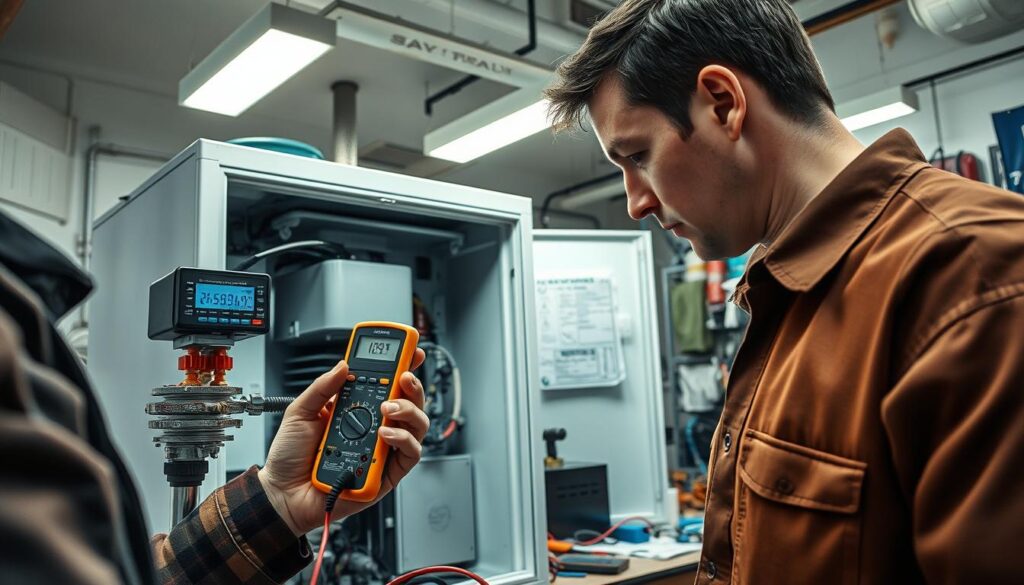
Understanding how to identify and fix these issues can save you time and money. Let’s explore common problems and practical solutions to keep your system running smoothly.
Identifying Sensor and Controller Faults
Sensors and controllers are the brains of your system. When they malfunction, it can lead to erratic cooling or complete failure. Here’s how to spot the signs:
- Inconsistent Temperatures: If your system can’t maintain a steady temperature, the sensors might be inaccurate.
- Unresponsive Controls: A faulty controller may fail to adjust the valve’s opening, causing inefficiency.
- Error Codes: Many modern systems display error codes indicating sensor or controller issues.
To diagnose these problems, measure suction pressure and suction line temperature. Discrepancies in these values often point to sensor inaccuracies. If the controller isn’t responding, check the wiring and ensure it’s properly connected.
Diagnostic Indicators and Quick Fixes
Here’s a checklist to help you troubleshoot common issues:
- Check Sensor Placement: Ensure sensors are positioned at the evaporator outlet for accurate readings.
- Test the Valve: During a defrost cycle, verify if the valve closes completely. If not, it may need replacement.
- Inspect the Controller: Look for loose connections or damaged wires. Reset the controller if necessary.
If these steps don’t resolve the issue, consult your manufacturer’s manual or seek professional help. Sometimes, small adjustments can make a big difference.
| Issue | Diagnostic Indicator | Quick Fix |
|---|---|---|
| Inconsistent Cooling | Temperature swings | Check sensor placement |
| Unresponsive Valve | Error codes | Test valve during defrost |
| Controller Failure | No response | Inspect wiring and reset |
By following these steps, you can address common issues and restore your system’s efficiency. Remember, regular maintenance and timely troubleshooting are key to avoiding costly repairs.
Real-World Applications and Case Studies
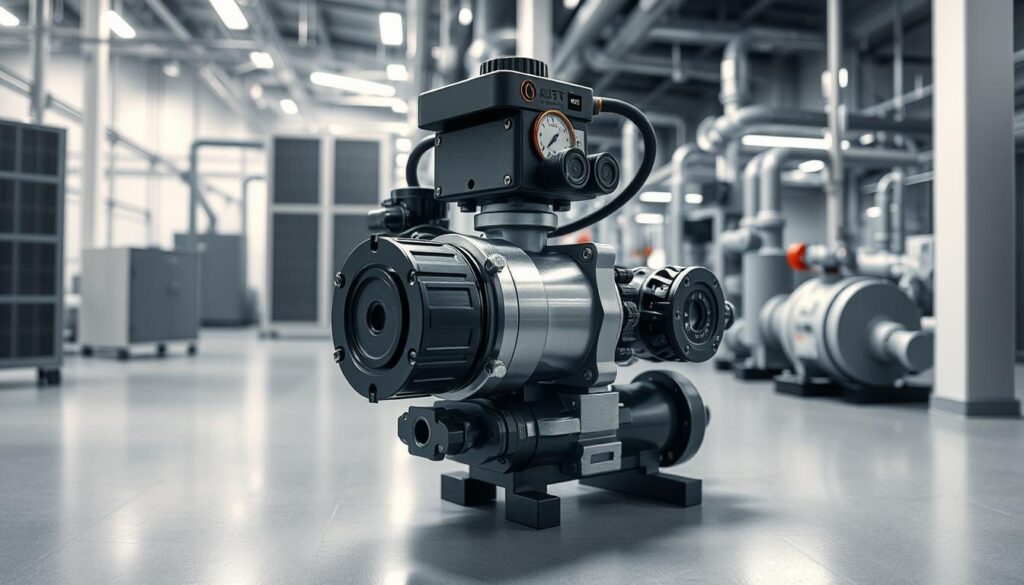
Have you ever wondered how advanced technology is transforming refrigeration systems? From retail stores to large commercial facilities, the electronic expansion valve (EEV) is making a significant impact. Let’s explore real-world examples and success stories that showcase its value.
Examples from Retail and Commercial Refrigeration
In the retail sector, maintaining consistent temperatures is crucial for preserving perishable goods. A major grocery chain upgraded its system with EEV technology and saw a 15% reduction in energy consumption. The valve’s precise control ensured optimal cooling, even during peak shopping hours.
Commercial facilities like warehouses and data centers also benefit. One case study from a leading manufacturer revealed that integrating EEVs reduced operational costs by 20%. The controller’s ability to adapt to varying loads ensured efficiency across a wide range of conditions.
Personal Stories and Success with EEV Technology
John, a facility manager, shared his experience with EEVs. “Our old system struggled to keep up with demand. After switching to EEVs, we noticed immediate improvements in cooling consistency and energy savings.” His story highlights how this technology can solve real-world challenges.
Another success comes from a restaurant owner who upgraded their refrigeration setup. “The EEVs helped us maintain food safety while cutting energy bills. It’s been a game-changer for our business.” These personal anecdotes demonstrate the tangible benefits of EEV technology.
| Application | Benefit | Outcome |
|---|---|---|
| Retail Stores | Energy Savings | 15% Reduction |
| Commercial Warehouses | Operational Efficiency | 20% Cost Reduction |
| Restaurants | Food Safety | Consistent Cooling |
These examples and stories show how EEV technology is transforming industries. Whether you’re in retail, hospitality, or manufacturing, this innovation offers proven benefits. Ready to explore how it can work for your system? The possibilities are endless.
Industry Research, Data, and Customer Experience
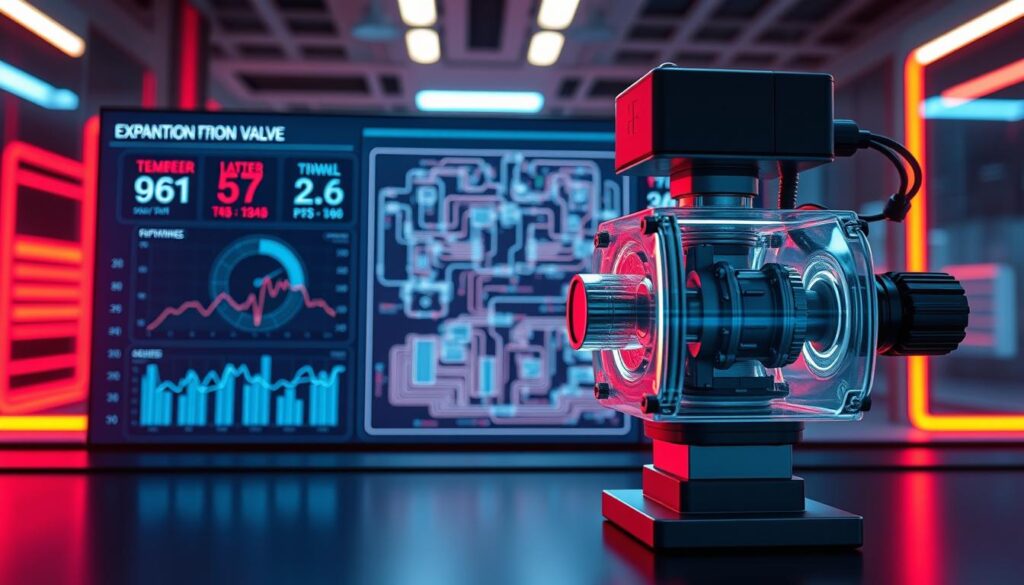
Curious about the latest advancements in refrigeration technology? The electronic expansion valve (EEV) is at the forefront of innovation, driving significant improvements in energy efficiency and system performance. Let’s dive into the data and insights that make this technology a game-changer.
Latest Energy Efficiency Trends and Statistics
Recent studies show that EEVs can improve refrigeration efficiency by up to 30%. This translates to a 20-25% reduction in energy consumption, making it a cost-effective solution for both residential and commercial applications. Here are some key findings:
- Energy Savings: Systems with EEVs use less power, reducing utility bills significantly.
- Performance Boost: AC systems with EEVs perform 40% better under varying load conditions.
- Refrigerant Reduction: EEVs decrease refrigerant charge by 15-20%, lowering environmental impact.
These trends highlight the growing adoption of EEV technology in modern systems. With the HVAC market projected to reach $200 billion by 2025, EEVs are set to play a pivotal role in shaping the future of cooling solutions.
Manufacturer Insights and Credible Sources
Leading manufacturers like Glen Refrigeration and Danfoss are driving innovation in EEV technology. Their research emphasizes the benefits of precise controller integration and advanced valve designs. Here’s what they’ve discovered:
- Longer Lifespan: 60% of HVAC professionals report that EEVs extend system longevity.
- Higher Satisfaction: Consumer ratings for EEV-equipped systems are 15% higher than traditional setups.
- Wider Range: EEVs perform efficiently across a broad temperature range, from mild to extreme conditions.
These insights, backed by credible sources, validate the effectiveness of EEV technology. Whether you’re upgrading an existing system or planning a new installation, the data speaks for itself.
By leveraging industry research and manufacturer expertise, you can make informed decisions that enhance your refrigeration setup. Ready to explore how EEVs can transform your system? The future of efficient cooling is here.
Conclusion
Ready to transform your cooling system for better efficiency? Electronic expansion valves are here to help. With precise control over refrigerant flow, they boost performance and cut energy costs by up to 15%. Whether you’re upgrading or starting fresh, this technology is a game-changer.
Take action today by checking your system’s compatibility and consulting a trusted manufacturer. Proper installation and regular maintenance ensure long-term benefits. If issues arise, refer to troubleshooting tips like checking sensor placement and testing the valve during defrost cycles.
Stay updated on the latest advancements in refrigeration technology. Leading brands continue to innovate, offering solutions for a wide range of applications. Your journey to a more efficient system starts now.
Have questions or need support? Reach out to professionals or explore additional resources. Together, we can make your cooling system smarter and more sustainable. Let’s get started!
FAQ
What is an electronic expansion valve (EEV) and how does it work?
How does an EEV improve AC efficiency compared to traditional valves?
What are the key components of an EEV system?
What’s the difference between digital and electromagnetic EEVs?
How do I install an electronic expansion valve in my system?
What are common issues with EEVs and how can I troubleshoot them?
Where are electronic expansion valves commonly used?
What trends are shaping the future of EEV technology?
Source Links
- How Electronic Expansion Valves Work
- Understanding Your Air Conditioner’s Expansion Valve
- Electronic Expansion Valves: The Basics
- Exploring The Role Of Expansion Valve In Chiller System 2025
- EEV Valve Electronic Expansion Valve Advantages Work Priciple
- 4.6 Electronic expansion valves – SWEP
- EEV Vs TXV In HVAC Systems: Precision Vs Simplicity
- Microsoft Word – +030220811_EEV_OK_en.doc
- YCAL & YCAS Electronic Expansion Valve (EEV) Installation Operation Maintenance (Form 050.40-NM4)
- Troubleshooting Electronic Expansion Valves
- Module 11: Case Studies and Real-World Applications
- Real-World Applications of Data Analytics: Case Studies
- 5 key customer experience ideas to implement
- What is Customer Experience?
- A Guide to Customer Experience Research (CX Research) and the Top Companies
- EEV’s vs TXV’s


0 Comments