
Imagine walking into your home and being hit by an unsettling smell you can’t quite place. You glance at the vent, noticing unexpected debris, and realize something is wrong. Discovering a dead animal in your HVAC system is more common than you might think, and it can significantly impact your home’s air quality.
According to experts, the decomposition process can release harmful gases like sulfur dioxide and methane, creating a foul odor that lingers for weeks. This not only makes your living space uncomfortable but can also introduce bacteria and viruses into the air you breathe. Addressing the issue promptly is crucial to maintaining a healthy environment.
This article provides a step-by-step guide to safely remove the animal and ensure your HVAC system stays efficient. Whether you tackle it yourself or call a professional, you’ll find actionable tips to restore your home’s comfort and air quality.
Key Takeaways
- Dead animals in HVAC systems can harm air quality and create foul odors.
- Decomposition releases gases like sulfur dioxide and methane, affecting your home.
- Prompt removal is essential to prevent health risks and maintain efficiency.
- Professional services ensure thorough cleaning and sanitization.
- Regular HVAC maintenance can prevent future infestations.
Understanding the Problem and Immediate Safety Measures
A foul odor from your air ducts might indicate a hidden problem that needs immediate attention. Dead animals or debris in your HVAC system can compromise your home’s air quality and reduce efficiency. Addressing these issues promptly ensures a healthier living environment.
Identifying Hidden Risks in Your HVAC System
When an animal dies in your air ducts, it’s not just the smell that’s a problem. Decomposition releases harmful gases like methane and sulfur dioxide. These gases can circulate through your home, affecting your health and comfort.
Debris from the animal can also clog your system. This reduces airflow and forces your HVAC system to work harder, increasing energy costs. Regular inspections can help you spot these issues early.
Assessing Air Quality and System Debris
Poor air quality is a common result of clogged air ducts. Dust, mold, and bacteria can accumulate, leading to respiratory issues and allergies. Checking your filter regularly is a simple way to maintain clean air.
If you notice reduced airflow or unusual noises, it’s time to inspect your system. Debris in the air ducts can cause long-term damage if left unchecked.
Immediate Safety Steps You Can Take
If you suspect a dead animal in your HVAC system, take these steps immediately:
- Turn off the system: This prevents contaminated air from circulating.
- Remove vent covers: Carefully inspect the air ducts for debris.
- Wear protective gear: Gloves and a mask protect you from harmful particles.
- Call a professional: They can safely remove the animal and clean the system.
Taking these precautions now can save you from bigger problems later. Regular maintenance is key to keeping your HVAC system running smoothly.
| Issue | Impact | Solution |
|---|---|---|
| Dead animal in air ducts | Foul odor, harmful gases | Professional removal |
| Clogged filter | Reduced airflow, poor air quality | Regular replacement |
| Debris in system | Increased energy costs | Routine inspections |
Using Your ac vent safety guide for Dead Animal Removal
Discovering a dead animal in your HVAC system can be unsettling, but knowing how to handle it is key. Whether you’re dealing with a small rodent or a larger animal, following the right steps ensures your home stays safe and clean.
Step-by-Step Removal Techniques
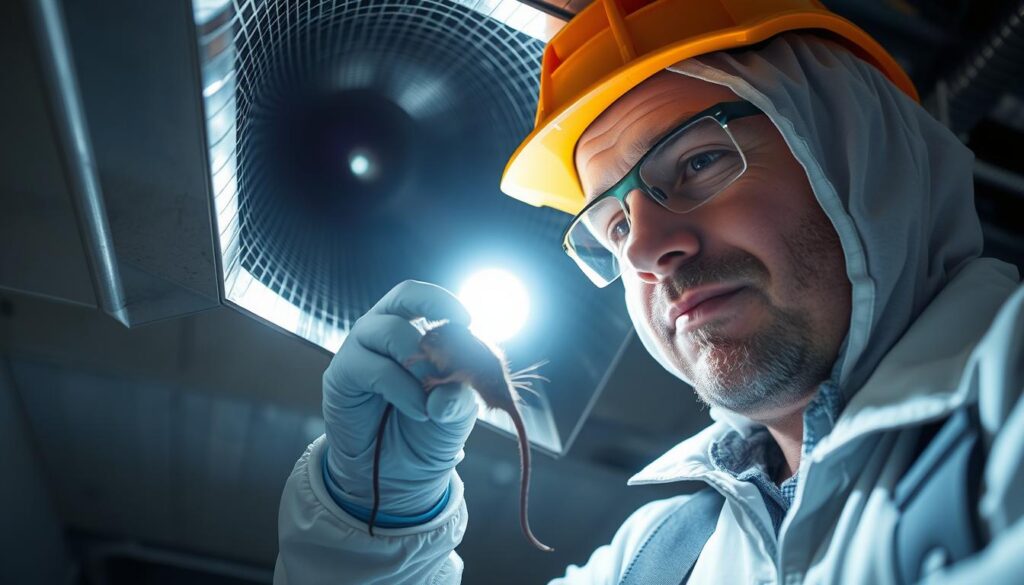
Start by turning off your HVAC system to prevent contaminated air from circulating. Next, gather your tools: gloves, a mask, a flashlight, and a trash bag. Carefully remove the vent cover and inspect the duct for the animal’s location.
Use a pair of tongs or a similar tool to gently remove the animal. Avoid direct contact to minimize health risks. Place the animal in a sealed bag and dispose of it properly. Clean the area with a disinfectant to eliminate bacteria and odors.
Ensuring Safe Handling and Disposal Practices
Protective gear is essential during removal. Gloves and a mask shield you from harmful particles and bacteria. If the task feels overwhelming or risky, don’t hesitate to call a professional. They have the expertise to handle the situation safely.
After removal, inspect your ductwork for damage or entry points. Sealing gaps prevents future infestations. Replace your air filter to maintain proper airflow and improve air quality.
| Step | Action | Outcome |
|---|---|---|
| 1 | Turn off HVAC system | Prevents contaminated air circulation |
| 2 | Remove vent cover | Access to the duct for inspection |
| 3 | Use protective gear | Minimizes health risks |
| 4 | Dispose of animal safely | Eliminates source of odor and bacteria |
| 5 | Clean and disinfect | Restores air quality and safety |
Taking these steps ensures your HVAC system remains efficient and your home stays healthy. Regular maintenance and inspections can prevent similar issues in the future.
Air Conditioning System Care: Maintenance, Professional Tips, and Safety
Keeping your HVAC system in top shape is like maintaining a well-oiled machine—it ensures everything runs smoothly. Regular care not only improves air quality but also extends the lifespan of your equipment. By addressing potential issues early, you can avoid costly repairs and keep your home comfortable year-round.
Routine HVAC and Air Filter Upkeep for Better Air Quality
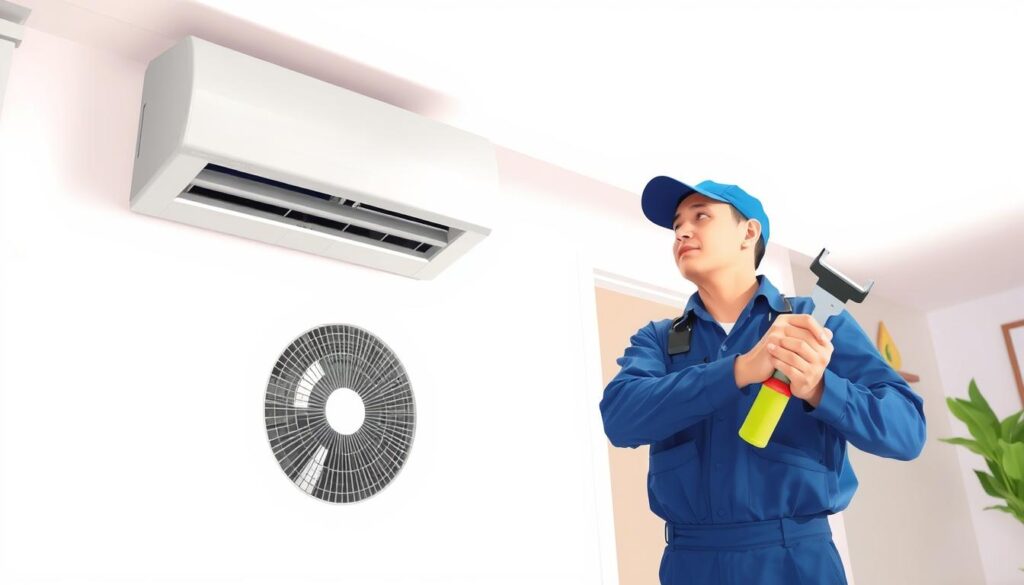
One of the simplest ways to maintain your system is by regularly replacing or cleaning the air filter. A clogged filter can reduce airflow, forcing your heating and cooling system to work harder. This not only increases energy costs but also compromises air quality.
Experts recommend checking your filter every 1-2 months, especially during peak usage seasons. If you notice visible debris or reduced airflow, it’s time for a replacement. Clean filters ensure efficient operation and prevent dust and allergens from circulating in your home.
Recognizing When to Call a Professional
While DIY maintenance is helpful, some issues require professional expertise. Unusual noises, persistent odors, or a sudden drop in performance are clear signs that something’s wrong. A licensed technician can inspect your system for hidden problems like refrigerant leaks or damaged components.
Regular professional inspections can also identify potential issues before they escalate. For example, cleaning the evaporator and condenser coils can improve efficiency by up to 15%. Don’t wait for a breakdown—schedule annual maintenance to keep your system running smoothly.
Preventing Future Issues with Regular Maintenance
Proactive care is the best way to avoid unexpected issues. Start by keeping the area around your outdoor unit clear of debris like leaves and dirt. This ensures proper airflow and prevents overheating.
Additionally, inspect your ductwork for leaks or blockages. Sealing gaps and cleaning ducts can improve efficiency by 20-30%. Finally, consider upgrading to a smart thermostat. These devices optimize energy usage, reducing wear and tear on your system over time.
By investing in regular maintenance, you’ll enjoy better air quality, lower energy bills, and a longer-lasting HVAC system. It’s a small effort that pays off in big ways.
Conclusion
Your home should be a place of comfort, but unexpected issues like a lingering smell can disrupt that peace. If you’ve encountered a dead animal in your system, taking immediate action is crucial. Start by turning off the unit and inspecting the area carefully. Protective gear is a must to avoid health risks.
For thorough cleaning and long-term safety, consider hiring a professional service. They have the tools and expertise to remove debris and sanitize your system effectively. This ensures your home remains a healthy place for you and your family.
To prevent future issues, schedule yearly maintenance. Regular inspections can catch problems early, saving you from costly repairs. Don’t let a persistent smell or debris compromise your comfort. Take proactive steps today to keep your system running smoothly.
Use this guide as a reference for future care. Share it with others who might benefit from expert advice. A little effort now can make a big difference in maintaining a safe and comfortable home.
FAQ
What should I do if I find a dead animal in my AC vent?
How can I assess the air quality and debris in my HVAC system?
What are some immediate safety steps I can take when dealing with a dead animal in my vent?
How do I safely remove a dead animal from my AC vent?
How often should I maintain my HVAC system to prevent issues?
When should I call a professional for my HVAC system?
How can I prevent future issues with my AC vent?
Source Links
- Dead Animal In Air Duct: What To Do – PFO Heating & Air Conditioning
- Dead Animal In Air Duct: What To Do – Skylands Energy Service
- Handling Dead Animals in Your Air Ducts
- Industrial Ventilation – 1. Introduction
- Indoor Air Quality – General
- Ventilation and the Risk of Health Care–Associated Infections
- Dead Animal In Air Duct: What To Do – Lawes Company
- Ultimate Guide to Safely Remove Dead Animal from Attic
- What to Do When a Rodent Dies in Your Ductwork
- Air Conditioner Maintenance
- 5 Air Conditioner (AC) Maintenance Tips You Should Know
- Pros and Cons for HVAC Energy Efficiency
- Colman Heating & Air, Inc. | Why You Shouldn’t Cover or Close AC Vents

0 Comments