Imagine walking into a bustling restaurant where every detail matters—especially the refrigeration system keeping food fresh and safe. For businesses, maintaining an efficient HVAC setup isn’t just about comfort; it’s about saving energy and reducing costs. Did you know that up to 25% of cooling energy can be saved through regular maintenance and proper insulation1?
Choosing the right unit and optimizing space can make a significant difference. Energy-efficient systems can cut operational costs by up to 30%, with a payback period of just 3 to 5 years1. Whether you’re upgrading or maintaining your current setup, this guide will help you navigate the best practices and latest trends in refrigeration technology.
Key Takeaways
- Energy-efficient systems can reduce operational costs by up to 30%.
- Regular maintenance saves up to 25% of cooling energy.
- Proper insulation and space planning enhance system efficiency.
- Upgrading to smart thermostats can lead to 10-15% energy savings.
- Energy-efficient units often pay for themselves within 3-5 years.
Understanding Commercial Refrigeration and Its Impact on Your Business
Running a business where food safety is a top priority? Your refrigeration system plays a crucial role in ensuring quality and efficiency. From preserving freshness to reducing waste, the right setup can make all the difference.
How Refrigeration Protects Food Safety and Enhances Efficiency
Proper refrigeration keeps your food fresh and safe. The ideal temperature range for most products is between 34°F to 40°F (1°C to 4°C), which slows bacterial growth and maintains quality2. Without this, spoilage rates can skyrocket, leading to wasted inventory and financial losses3.
Door seals are another critical factor. Faulty seals can let warm air in, causing temperature fluctuations and higher energy bills3. Regular checks ensure your system runs efficiently, saving you money in the long run.
The Role of HVAC in Maintaining Critical Temperatures
Your HVAC system works hand-in-hand with your refrigeration unit to maintain consistent temperatures. This is especially important for businesses like restaurants and grocery stores, where even a slight deviation can compromise food safety3.
Advanced technologies in modern systems allow for precise temperature control, ensuring compliance with safety standards3. Regular maintenance, like cleaning condenser coils, keeps everything running smoothly and extends the lifespan of your equipment3.
| Food Type | Ideal Temperature Range |
|---|---|
| Meat and Poultry | 32°F to 36°F (0°C to 2°C) |
| Dairy Products | 34°F to 38°F (1°C to 3°C) |
| Produce | 40°F to 45°F (4°C to 7°C) |
By understanding the science behind refrigeration and HVAC, you can protect your products, reduce waste, and save energy. It’s not just about keeping things cold—it’s about running a smarter, more efficient business.
Key Types and Features of Commercial Cooling Units
When it comes to keeping your products fresh and accessible, the right refrigeration setup is essential. Different businesses have unique needs, and understanding the options available can help you make the best choice for your store.
Reach-In, Walk-In, and Combination Options Explained
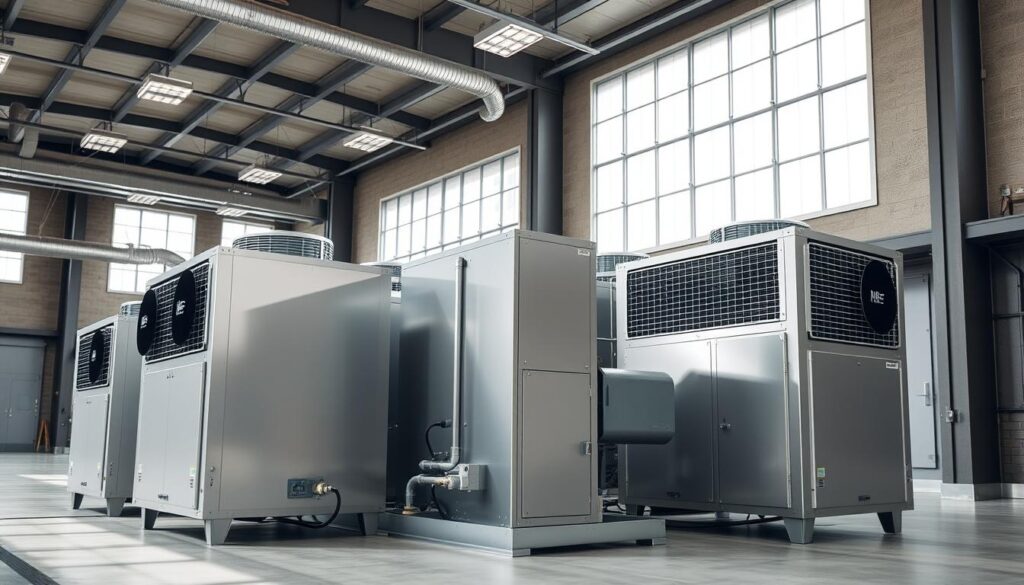
Reach-in units are compact and versatile, making them ideal for smaller spaces. They come in single, double, or triple-door configurations, offering flexibility for kitchens and retail setups4. These units are perfect for quick access to frequently used items.
Walk-in coolers, on the other hand, provide large storage capacities, ranging from 500 to 10,000 cubic feet5. They are commonly used in restaurants and supermarkets where bulk storage is necessary. Combination units offer the best of both worlds, with separate cooling and freezing sections for added convenience6.
Comparing Cooling and Freezing Capabilities
Cooling and freezing capabilities vary significantly between units. Reach-in refrigerators typically maintain temperatures between 32°F to 41°F, while freezers operate at -10°F to 0°F5. Walk-in units can handle both cooling and freezing, making them a versatile choice for businesses with diverse needs.
Combination units are particularly efficient, allowing you to store both chilled and frozen items in one system. This reduces energy consumption and simplifies inventory management6.
Display units are another popular option, especially for retail environments. These units showcase products while keeping them at the right temperature, boosting sales by up to 20%5. Open-air models are great for grab-and-go items, while glass-door units provide visibility and protection.
By understanding the features and benefits of each type, you can choose a system that fits your workflow and maximizes efficiency. The right setup not only keeps your products fresh but also enhances your store’s functionality.
Your Commercial Cooler Guide to Energy-Saving HVAC Practices
Energy efficiency is no longer just a buzzword—it’s a necessity for modern businesses. By adopting smart HVAC practices, you can significantly reduce energy bills while maintaining optimal performance. Let’s explore how advanced technologies and practical steps can make a difference.
Optimizing Efficiency with Advanced Refrigerant Technologies
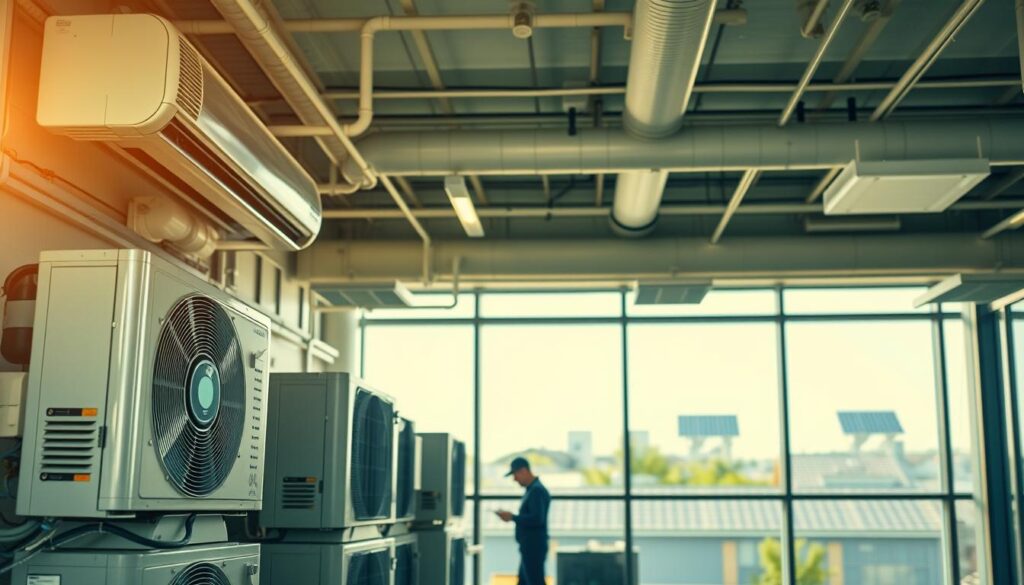
Modern refrigerant technologies are revolutionizing energy efficiency in HVAC systems. Variable speed technology, for example, adjusts output to match heating or cooling demand, reducing energy usage by up to 30%7. This ensures your system operates only at the capacity needed, saving both energy and costs.
Energy Recovery Ventilators (ERVs) are another game-changer. They capture heat from outgoing air to warm incoming fresh air, cutting energy consumption while improving indoor air quality8. These innovations not only lower bills but also support sustainability goals.
Practical Steps to Lower Energy Bills in Your Setup
Start with regular maintenance. Cleaning air filters and inspecting ductwork can improve airflow and reduce energy waste7. Programmable thermostats are another simple yet effective tool. They adjust temperature settings based on occupancy, preventing unnecessary energy use8.
For businesses with walk-in coolers, proper insulation and sealing are critical. These measures prevent energy loss and maintain consistent temperature levels, ensuring your storage remains efficient7. Additionally, zoning systems allow independent temperature control in different areas, further optimizing energy use8.
Even small changes, like educating staff on energy-saving habits, can lead to significant savings. By combining advanced technologies with practical steps, you can create a more efficient and cost-effective HVAC setup for your business.
Maintenance Insights: Caring for Your Refrigeration and Cooling Equipment
Keeping your refrigeration system in top shape is essential for smooth operations. Regular care not only extends its lifespan but also ensures consistent performance. Let’s explore practical strategies to maintain your equipment and avoid costly breakdowns.

Routine Checks and Preventative Maintenance Strategies
Regular maintenance can improve energy efficiency by up to 30% and prevent unexpected failures9. Start with a simple checklist to keep your system running smoothly:
- Inspect door seals: Damaged seals can increase energy consumption by 20% due to cold air leakage9.
- Clean condenser coils: This can reduce energy costs by up to 15% by improving heat exchange efficiency9.
- Check refrigerant levels: Low levels can lead to a 10-15% increase in energy use9.
- Verify airflow: Ensure evaporator fans are functioning properly to maintain consistent temperatures9.
By following these steps, you can minimize energy waste and extend the lifespan of your equipment10.
When to Repair Versus Replace Your Cooling Unit
Deciding between repair and replacement depends on factors like age, performance, and repair costs. Systems with more runtime generally require consistent maintenance and may have a shorter lifespan10.
If your system is over 15 years old and frequently breaks down, replacement might be more cost-effective. On the other hand, minor issues like faulty door seals or dirty coils can often be repaired at a fraction of the cost9.
| Maintenance Task | Frequency | Benefit |
|---|---|---|
| Clean condenser coils | Every 3 months | Improves heat exchange efficiency |
| Inspect door seals | Monthly | Prevents cold air leakage |
| Check refrigerant levels | Every 6 months | Ensures optimal cooling |
| Verify airflow | Monthly | Maintains consistent temperatures |
Proper maintenance not only saves money but also ensures your system operates safely and efficiently. By investing in regular care, you can avoid costly repairs and keep your business running smoothly.
Exploring the Science Behind Refrigeration and Compressor Functions
Ever wondered how your refrigeration system keeps everything perfectly chilled? It’s all about the science behind compressors and refrigerants. At the heart of every cooling system lies the compressor, a vital piece of equipment that ensures your kitchen stays efficient and your products remain fresh.
How Compressors Keep Your System Running Smoothly
Think of the compressor as the heart of your refrigeration system. Just like your heart pumps blood, the compressor circulates refrigerant through the system. This process involves four key phases: evaporation, compression, condensation, and expansion11. Each phase is crucial for maintaining the right temperature and ensuring your equipment operates efficiently.
Modern compressors are designed for precision and reliability. For example, reciprocating compressors are commonly used in smaller systems, while centrifugal compressors are ideal for larger setups12. These models are engineered to handle specific needs, ensuring your system runs smoothly without wasting energy or resources.
Efficiency is a top priority in today’s refrigeration systems. Advanced technologies like electronic expansion valves (EXVs) can improve energy savings by up to 25%13. By optimizing refrigerant flow, these innovations reduce energy consumption and enhance overall performance. This is especially important in a busy kitchen, where every watt of energy counts.
Proper maintenance also plays a key role in compressor efficiency. Regular checks on suction gas temperatures and pressure levels can prevent system failures and extend the lifespan of your equipment12. Investing in reliable compressor technology not only saves energy but also ensures your cooling system remains effective for years to come.
Understanding the science behind refrigeration helps you make informed decisions about your equipment. Whether you’re upgrading your system or maintaining your current setup, knowing how compressors work can lead to better performance and lower costs. Stay tuned as we explore emerging HVAC trends in the next section.
Emerging HVAC Trends and Innovations in Commercial Cooling
The future of HVAC is here, and it’s smarter than ever. From real-time monitoring to automated adjustments, the latest innovations are transforming how businesses manage their cooling systems. These advancements not only enhance efficiency but also reduce downtime, making them a game-changer for industries like bars and restaurants.
Integrating Smart Technologies and Real-Time Monitoring
Smart sensors and IoT-enabled devices are revolutionizing HVAC systems. For example, a popular bar in New York has implemented smart monitoring to track temperature and humidity levels in real-time. This allows them to make instant adjustments, ensuring optimal conditions for both staff and customers14.
These technologies also offer predictive maintenance capabilities. By analyzing data trends, businesses can identify potential issues before they escalate, saving time and money on repairs15. This is especially useful for service-oriented businesses where downtime can lead to lost revenue.
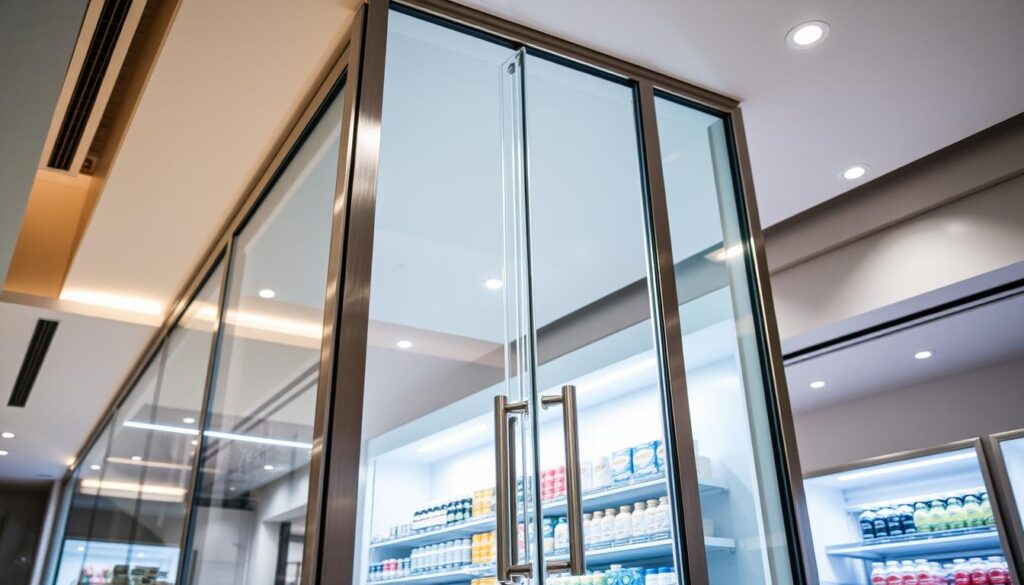
Transparent glass door displays are another innovation gaining traction. These units not only showcase items effectively but also maintain consistent temperatures, reducing energy waste14. For customer-facing environments, this combination of functionality and aesthetics is a win-win.
Automation is also making waves. Systems that adjust settings based on occupancy or weather conditions are becoming standard. This not only improves energy efficiency but also enhances user comfort15. Imagine a scenario where your HVAC system automatically lowers cooling during off-peak hours, saving energy without compromising service quality.
As these trends continue to evolve, the benefits are clear: smarter systems, reduced costs, and improved performance. By exploring new models that incorporate these innovations, you can stay ahead of the curve and ensure your business remains competitive.
Leveraging Industry Statistics and Research to Inform Your Choices
Data-driven decisions are shaping the future of refrigeration and HVAC systems. By understanding the numbers behind energy consumption and efficiency, you can make smarter choices for your business. Whether you run a restaurant, grocery store, or beverage outlet, the right data can lead to significant savings and improved performance.
Data-Driven Insights on Energy Consumption and Efficiency
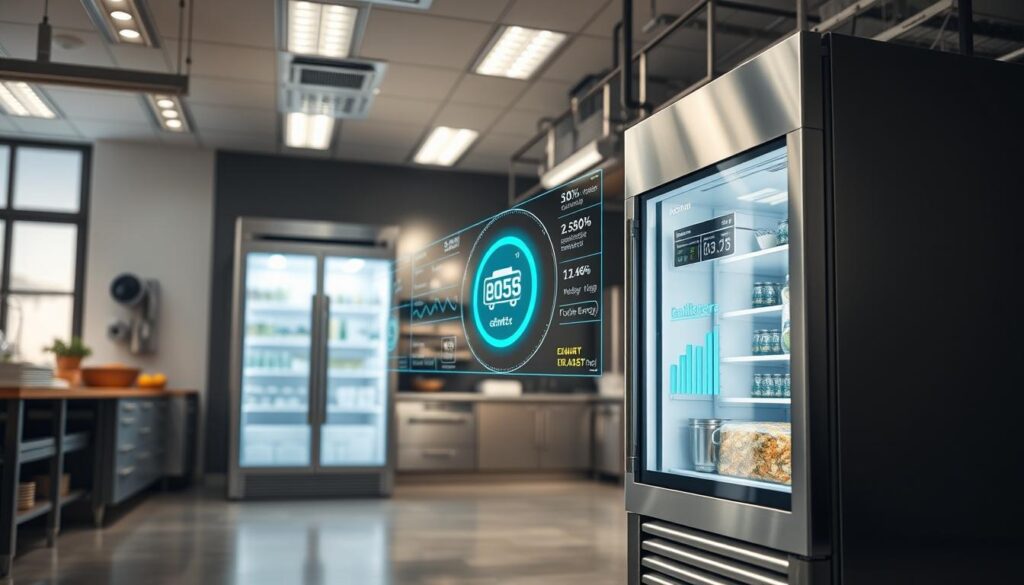
Energy demand for space cooling has increased more than twice as fast as overall energy demand in buildings over the past decade16. This trend highlights the importance of adopting efficient systems. For example, businesses that upgrade to high-efficiency motors can reduce energy consumption by up to 30%17.
Research shows that proper maintenance can improve energy efficiency by up to 15%16. Regular checks on door seals and condenser coils ensure your system runs smoothly, saving you money in the long run. Additionally, advanced technologies like smart sensors can monitor temperature and humidity levels in real-time, allowing for instant adjustments16.
Here’s a breakdown of how energy-efficient practices impact different businesses:
| Business Type | Energy Savings | Key Benefit |
|---|---|---|
| Restaurant | Up to 25% | Reduced operational costs |
| Grocery Store | Up to 20% | Improved food safety |
| Beverage Outlet | Up to 15% | Enhanced customer experience |
Consumer expectations are also shifting toward sustainable and efficient cooling systems. By 2050, global demand for air conditioning is projected to triple, reaching approximately 5.6 billion units16. This trend underscores the need for businesses to invest in modern, energy-efficient solutions.
Case studies reveal that businesses adopting these practices see measurable improvements. For instance, a restaurant in New York reduced its energy bills by 20% after upgrading to a smart HVAC system16. Similarly, a grocery store in California improved food safety and reduced waste by maintaining consistent temperature levels17.
By leveraging industry statistics and research, you can make informed decisions that benefit your business and your customers. These insights not only save energy but also enhance system reliability and performance. As you plan future upgrades, consider how data-driven choices can lead to long-term success.
Tailoring Your Cooling Setup: Sizing, Layout, and Custom Options
Planning your cooling setup is more than just picking a unit—it’s about finding the perfect fit for your space and needs. Whether you’re running a restaurant, grocery store, or beverage outlet, the right size and layout can make all the difference. Let’s dive into how you can optimize your setup for efficiency and functionality.
Understanding Standard Dimensions and Customization Options
Standard dimensions for cooling units vary widely, so it’s essential to measure your space accurately. Common walk-in cooler sizes range from 6’x6’ to 10’x14’, making them suitable for different business needs18. Prefabricated units are constructed from pre-made urethane panels, which provide excellent insulation and can be assembled quickly19.
Customization is another key factor. Built-in units allow you to tailor the cooling space to your exact specifications, enhancing functionality19. For example, adding extra shelves or adjusting the layout can maximize storage for your goods. This flexibility ensures your setup grows with your business.
Tips for Accurate Measurements and Optimizing Space
Start by measuring the width, depth, and height of your available space. Don’t forget to account for door swings and ventilation requirements. A good rule of thumb is to allocate 1-2 cubic feet of storage per meal served daily18.
Consider the placement of tables and shelves to ensure easy access to your goods. For example, placing frequently used items at eye level can improve workflow efficiency. If you’re tight on space, vertical storage options can help you make the most of your area.
Here’s a quick reference for standard dimensions:
| Unit Type | Width | Depth | Height |
|---|---|---|---|
| Reach-In Refrigerator | 24”-36” | 30”-34” | 70”-84” |
| Walk-In Cooler | 6’-10’ | 6’-14’ | 7’-10’ |
| Display Unit | 48”-72” | 24”-30” | 72”-84” |
By taking accurate measurements and planning your layout carefully, you can ensure your cooling setup fits seamlessly into your space. This not only improves efficiency but also enhances the overall functionality of your business.
Final Insights and Next Steps for Your Commercial Cooling Investment
Your refrigeration system is more than just equipment—it’s the backbone of your business operations. By focusing on energy efficiency, you can reduce costs by up to 30% while maintaining optimal performance20. Regular maintenance, like cleaning condenser coils, can extend the lifespan of your unit by up to 50%, saving you from costly repairs20.
Smart technology is transforming the way businesses manage cooling. Systems with real-time monitoring can alert you to potential issues before they escalate, ensuring uninterrupted operations21. Upgrading to advanced features like digital temperature controls not only enhances food safety but also improves compliance with industry standards20.
Take the next step by evaluating your current setup. Whether it’s scheduling routine checks or investing in a walk-in cooler with eco-friendly refrigerants, these changes can future-proof your business. Start today and see the difference in your energy bills and operational efficiency.
FAQ
How does refrigeration protect food safety in my business?
What’s the difference between reach-in and walk-in units?
How can I improve energy efficiency in my cooling setup?
What maintenance practices should I follow for my refrigeration system?
When should I repair or replace my cooling unit?
How do compressors work in refrigeration systems?
What are the latest trends in commercial cooling technology?
How do I choose the right size unit for my business?
What customization options are available for cooling units?
Source Links
- Cooling for Commercial Spaces: A Guide to Commercial Cooling Units | Ptac4Less
- Commercial Refrigeration Basics and How it Works? – PartsFe
- The Complete Guide to Commercial Refrigeration – KCR HVAC Blog
- Commercial Refrigeration Basics and How it Works? – PartsFe
- Keep It Cool: The Guide to Commercial Coolers and Freezers for the Food Industry – 5 Star Heating
- Choosing the Right Commercial Refrigerator: A Guide
- Comprehensive Guide to Optimising Commercial HVAC Efficiency in Ronkonkoma – Soundview | Middle Island, NY Heating Repair and Installation
- Unlock Savings With Energy-Efficient HVAC Systems for Commercial Buildings
- Expert Tips for Commercial Walk-In Cooler Maintenance | Smart Care
- Commercial HVAC Preventive Maintenance Checklists – FMX
- The Refrigeration Cycle – In easy to understand descriptions & diagrams!
- Refrigeration Principles and how a Refrigeration System Works | Berg Chilling Systems
- Understanding the Refrigeration Cycle : A Guide to Cooling – Industrial Cold Room & Equipments – Frigo System
- 5 Top HVAC Industry Trends in Commercial HVAC – Metalphoto of Cincinnati
- Top 21 HVAC Industry Trends and Innovations to Watch in 2025 – FieldEx
- The Air Conditioning Industry – Contemporary Market Review
- Dry Coolers: a complete guide – MITA Cooling Technologies
- The Ultimate Guide to Walk-In Coolers & Freezers – Norlake
- How to Choose the Right Walk-In Cooler or Freezer Guide
- Choosing the Right Commercial Fridge and Freezer: A Comprehensive Guide
- Everything You Need to Know about Efficient AC Installation

0 Comments