
When a storm rolls in, the last thing you want is your air conditioner failing or getting damaged. Lightning strikes, though rare, can cause power surges that harm your unit and disrupt your comfort. Experts recommend turning off your system during severe weather to avoid costly repairs.
Imagine a stormy night with flashes of lightning illuminating the sky. Your air conditioning system hums quietly, but is it safe? Using a surge protector can help, but it’s not a foolproof solution. This guide will walk you through practical steps to protect your home and keep your system running smoothly.
Key Takeaways
- Turn off your air conditioner during severe weather to prevent damage.
- Use a surge protector to reduce the risk of power surges.
- Outdoor units are designed to handle rain but not flooding.
- Inspect your system after a storm to ensure it’s functioning properly.
- Secure your unit with hurricane straps in high-wind areas.
Understanding the Risk: Why the ac thunderstorm safety guide Matters
Storms bring more than just rain—they can cause serious damage to your home’s cooling system. Lightning strikes, though rare, can lead to power surges that harm critical components. Understanding these risks is the first step to protecting your investment.
Exploring the Impact of Storms on HVAC Systems
Severe weather events pose significant risks to your HVAC system. Lightning strikes nearby can send powerful surges through your home’s electrical grid. These surges can fry circuits, damage compressors, and leave you with costly repairs.
Even without direct lightning strikes, storms can cause voltage spikes. These minor blips may seem harmless, but over time, they can wear down your system. Protecting your HVAC unit starts with understanding these threats.
What Homeowners Need to Know About Thunderstorms
Here’s what you should keep in mind:
- Power surges are a common cause of HVAC damage during storms.
- Outdoor units are built to handle rain but not flooding or debris impact.
- Turning off your system during severe weather can prevent unnecessary wear and tear.
Being informed helps you take proactive steps to safeguard your home. Research shows that 75% of storm-related HVAC issues are preventable with proper preparation.
Identifying Storm-Related Challenges for Your Air Conditioner
Your air conditioner faces unique challenges during extreme weather. Storms can disrupt its performance and even cause long-term damage. Understanding these risks helps you protect your home and maintain comfort year-round.
One of the most common issues is power surges. Even if a lightning strike doesn’t hit your property directly, it can send a surge through the electrical grid. These surges can fry sensitive components like compressors and circuit boards, leaving you with costly repairs.
Minor voltage spikes are another concern. While they might seem harmless, repeated exposure can wear down your system over time. This gradual damage often goes unnoticed until it’s too late.
Here’s a quick look at common storm-related challenges:
| Challenge | Impact | Solution |
|---|---|---|
| Power Surges | Damage to electrical components | Install a surge protector |
| Voltage Spikes | Gradual wear and tear | Regular system checks |
| Debris Impact | Physical damage to outdoor unit | Secure the unit with straps |
Real-world examples show how storms can wreak havoc. For instance, a single lightning strike nearby can send a surge that damages your conditioner’s compressor. Similarly, heavy winds can blow debris into the outdoor unit, bending fins and reducing efficiency.
Proactive steps can minimize these risks. Installing a surge protector shields your system from electrical damage. Regular inspections ensure early detection of issues. By taking these measures, you can keep your home comfortable and avoid unnecessary repair costs.
How Lightning Strikes Threaten Your Home’s HVAC
Lightning doesn’t have to hit your home directly to cause significant damage. Even a nearby lightning strike can send a powerful power surge through your electrical grid. These surges can fry circuits, melt wiring, and leave your air conditioning system inoperable.
Your HVAC system is particularly vulnerable to these surges. Sensitive components like capacitors, control boards, and compressors can fail instantly. Even if your system appears to work after a storm, hidden damage might lead to costly repairs later.
Recognizing Signs of Lightning Damage
After a storm, it’s essential to check your system for signs of damage. Here’s what to look for:
- Burned components: Exploded capacitors or melted wiring are clear indicators of a power surge.
- Erratic behavior: If your thermostat is non-responsive or your system cycles on and off unexpectedly, lightning might be the culprit.
- Tripped breakers: A sudden power interruption can trip your circuit breakers, signaling a surge.
If you notice any of these signs, it’s crucial to call a professional. They can assess the damage and recommend repairs to restore your system’s functionality. Remember, timely action can prevent further issues and save you money in the long run.
Navigating Power Surges and Electrical Damage
Power surges can strike without warning, leaving your home’s electrical systems vulnerable. These sudden spikes in voltage can disrupt your air conditioning unit and other appliances, causing immediate or long-term damage. Understanding how they occur and their effects is key to protecting your home.

Understanding the Effects of Voltage Spikes
Voltage spikes are like sudden jolts to your home’s electrical health. Often caused by lightning strikes to nearby power lines, they can overwhelm your HVAC system’s sensitive components. Even minor surges, repeated over time, can degrade your system’s performance.
For example, a single surge can fry circuits or melt wiring, leaving your air conditioning unit inoperable. Over time, recurring surges can lead to component failure, shortening your system’s lifespan. Recognizing these risks helps you take proactive steps to safeguard your home.
Here’s what you need to know:
- Power surges can occur from internal sources, like appliances cycling on and off, or external sources, like lightning strikes.
- Even minor surges can wear down your HVAC system, leading to costly repairs.
- Signs of surge damage include burnt odors, non-functional devices, and tripped breakers.
Preventive measures, like installing surge protectors, can shield your system from damage. These devices absorb excess voltage, protecting your appliances and ensuring your home stays comfortable. By taking these steps, you can extend the life of your air conditioning unit and avoid unnecessary expenses.
Implementing Surge Protector Solutions for Your AC System
Protecting your home’s cooling system from electrical surges is a smart move for long-term comfort. Surge protectors act as a shield, absorbing excess voltage and preventing damage to your conditioning system. Whether you choose a dedicated device or a whole-house solution, the right protection can save you from costly repairs.
Dedicated Surge Protectors vs. Whole-House Protection
Dedicated surge protectors are designed specifically for your conditioning system. They’re easy to install and focus solely on protecting your unit from electrical spikes. However, they may not cover other appliances in your home.
Whole-house systems, on the other hand, protect every circuit in your home. They’re ideal for comprehensive coverage but come with a higher upfront cost. Here’s a quick comparison:
- Dedicated Protectors: Affordable, easy to install, but limited to one device.
- Whole-House Systems: Costlier, but provide full-home protection against surges.
Techniques for Effective Surge Mitigation
Effective surge mitigation goes beyond just installing a protector. Proper grounding is essential to redirect excess voltage safely. Regular maintenance checks can also identify potential issues before they escalate.
For example, HVAC professionals recommend using surge protectors with high joule ratings. These devices can handle larger surges, such as those caused by lightning strikes. Additionally, ensuring your outdoor unit is elevated can prevent water damage during heavy rains.
Here are some practical tips:
- Install a surge protector with a joule rating of at least 1,000 for reliable protection.
- Keep your outdoor unit clear of debris to avoid heat buildup and potential damage.
- Consult a professional to ensure your system is properly grounded and protected.
By taking these steps, you can extend the life of your conditioning system and enjoy uninterrupted comfort, even during extreme weather.
Preparing Your Air Conditioner for Heavy Rain and Flooding
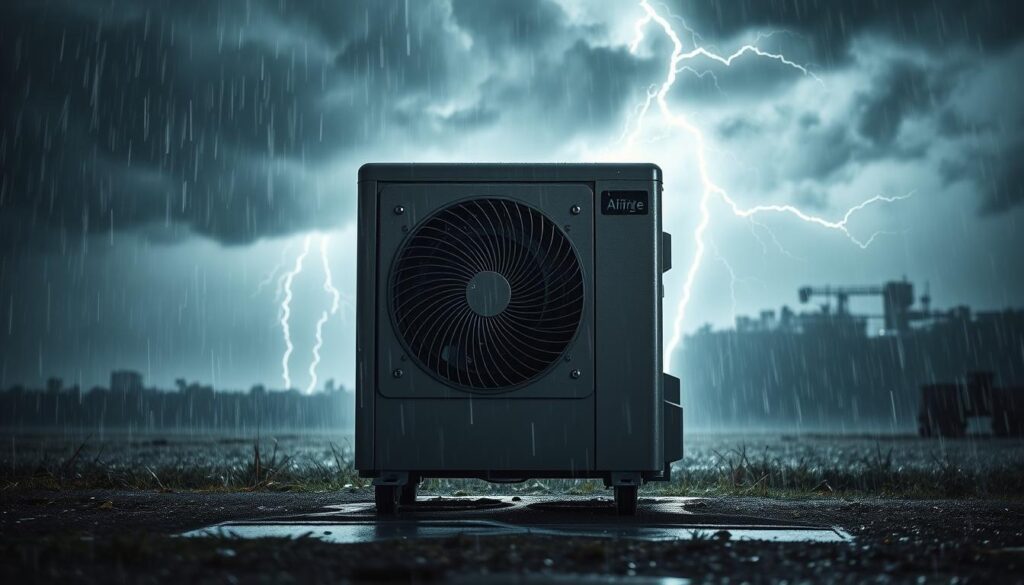
Heavy rain and flooding can pose serious risks to your home’s cooling system, but with the right preparation, you can minimize damage. Storm seasons can be stressful, but taking timely steps to protect your unit ensures peace of mind and long-term comfort.
Flooding can harm critical components like the compressor and electrical wiring. Even if your unit is designed to handle rain, standing water can cause irreversible damage. Preparing before extreme weather hits is essential to avoid costly repairs.
Strategies to Prevent Water Damage
Proper placement and elevation are key to protecting your system. Here’s how you can safeguard your unit:
- Elevate the Unit: Place your outdoor unit on a raised platform or pad to prevent water from pooling around it.
- Check Drainage: Ensure the area around your unit has proper drainage to avoid water accumulation.
- Secure Components: Inspect and seal electrical connections to prevent water ingress.
Regular maintenance is also crucial. Cleaning the unit and checking for debris ensures it functions efficiently, even during heavy rain. A well-maintained system is less likely to fail when you need it most.
Critical Components at Risk
Water damage can affect several components in your system. The compressor, electrical wiring, and control boards are particularly vulnerable. If water seeps into these parts, it can lead to short circuits or complete system failure.
Here’s a quick guide to protecting these components:
| Component | Risk | Prevention |
|---|---|---|
| Compressor | Water ingress can cause rust and failure | Elevate the unit and ensure proper drainage |
| Electrical Wiring | Short circuits from water exposure | Seal connections and use waterproof covers |
| Control Boards | Corrosion and malfunction | Regular inspections and maintenance |
By taking these steps, you can protect your system from water damage and extend its lifespan. Remember, a little preparation goes a long way in ensuring your home stays comfortable, no matter the weather.
Storm seasons can be overwhelming, but with the right preparation, you can face them with confidence. Your cooling system is an investment worth protecting.
Tips for Turning Off and Securing Your AC During Storms
As severe weather approaches, taking quick steps to secure your cooling system can save you from costly repairs. Storms bring risks like power surges and debris impact, but with a little preparation, you can protect your investment and keep your home comfortable.
Safe Procedures When a Storm Hits
When a storm is on the horizon, it’s time to act. Here’s a simple checklist to follow:
- Turn off the system: Switch off your cooling unit at the thermostat and the breaker to isolate it from power surges.
- Secure the outdoor unit: Use hurricane straps or tie-downs to prevent it from being dislodged by strong winds.
- Clear debris: Remove any loose objects around the unit that could become projectiles during the storm.
Disconnecting power at the breaker is a crucial step. It ensures your system is completely isolated from electrical surges caused by lightning or downed power lines. This simple action can prevent significant damage to sensitive components.
After the storm passes, don’t rush to turn your system back on. A professional inspection is essential to identify any hidden damage. Look for signs like burnt wires, tripped breakers, or unusual noises before resuming operation.
Safety is paramount during this process. Avoid handling electrical components if you’re unsure, and always consult a professional if you suspect damage. These steps not only protect your system but also ensure your family’s safety.
Treat these procedures as part of a broader storm preparedness plan. By taking these precautions, you’ll minimize risks and maintain your home’s comfort, even during extreme weather. Remember, a little effort now can save you from headaches later.
Maximizing the Benefits of Pre-Cooling Your Home
Pre-cooling your home before extreme weather hits is a smart way to stay comfortable and save energy. By lowering your thermostat a few degrees ahead of time, you create a cool reserve that helps maintain a comfortable temperature even when your HVAC system is off. This technique is especially useful during storms or power outages.
One of the most significant benefits of pre-cooling is its ability to reduce stress on your appliance. When your system doesn’t have to work as hard to cool your home, it operates more efficiently. This not only lowers your electricity bills but also extends the lifespan of your HVAC system.
Imagine a scenario where a storm knocks out power for several hours. If you’ve pre-cooled your home, the indoor temperature will stay comfortable longer, giving you peace of mind. It’s like having a buffer against the heat. This strategy also helps reduce the strain on your system when power is restored, preventing sudden spikes in energy usage.
Here’s how pre-cooling works in practice:
- Lower your thermostat 2-3 degrees a few hours before the storm arrives.
- Close curtains or blinds to keep the cool air inside.
- Use ceiling fans to circulate the air, enhancing the cooling effect.
By following these steps, you can enjoy a comfortable home while saving energy. Pre-cooling is a simple yet effective way to optimize your HVAC system’s performance and protect it from unnecessary wear and tear. Plus, it’s a great way to stay prepared for unexpected weather changes.
Choosing the Right HVAC Professional for Inspection and Repair
Finding the right professional to inspect and repair your air conditioning unit can make all the difference in maintaining your home’s comfort. A trusted expert ensures your system runs efficiently and catches potential issues before they escalate. But how do you choose the right one?
Start by checking credentials. Look for certifications like NATE (North American Technician Excellence) or HVAC Excellence. These indicate the technician has the training to handle your system. Reviews and local expertise also matter. A professional familiar with your area’s weather patterns can better address storm-related risk.
Regular inspections are key to reducing risk. They help identify minor problems, like a failing motor or worn-out components, before they turn into costly repairs. For example, a routine check can spot a clogged air filter, which, if ignored, could lead to system inefficiency or even carbon monoxide leaks.
When selecting a professional, verify their experience with storm-related damage. Ask if they’ve worked on systems affected by power surges or flooding. A qualified technician will know how to diagnose and repair issues like damaged motors or electrical components. They can also recommend surge protectors to safeguard your system.
Building a lasting relationship with a trusted contractor ensures long-term home comfort. Schedule annual maintenance to keep your air conditioning unit in top shape. A reliable professional will provide consistent service, saving you from unexpected breakdowns and high repair costs.
Here’s a quick checklist to help you choose the right HVAC professional:
- Check credentials: Look for certifications and licenses.
- Read reviews: Ensure they have a solid reputation in your area.
- Ask about storm experience: Verify their expertise with surge protection and flood damage.
- Schedule regular inspections: Prevent minor issues from becoming major problems.
By taking these steps, you’ll minimize risk and ensure your home stays comfortable year-round. Remember, a little effort in choosing the right professional can save you from headaches and costly repairs down the line.
Documenting Storm Damage and Insurance Claim Strategies
After a storm, documenting damage quickly can make all the difference in your insurance claim process. Taking the right steps ensures you have the evidence needed to support your case. This guide will walk you through the process, from gathering essential evidence to working effectively with insurance adjusters.

Gathering Essential Evidence for Your Claim
Start by taking clear photographs of all damage, both inside and outside your home. Focus on areas like windows, roofs, and any signs of flooding. These images serve as crucial evidence for your claim. Make sure to capture wide shots for context and close-ups for detail.
Next, obtain a professional maintenance inspection report. Companies like Watkins Heating & Cooling can provide detailed assessments of your cooling system and other affected areas. This report can strengthen your case by showing the extent of the damage and the necessary repairs.
Don’t forget to gather weather reports from reliable sources like the National Weather Service. These documents prove the storm’s severity and timing, which are essential for your claim.
How to Work Effectively with Insurance Adjusters
When the adjuster arrives, be prepared to present your evidence. Share your photographs, inspection reports, and weather documents. Be clear and concise in explaining the damage and its impact on your home.
Here’s a quick guide to help you prepare:
| Step | Action | Benefit |
|---|---|---|
| 1 | Take photographs | Provides visual proof of damage |
| 2 | Get inspection reports | Offers professional assessment |
| 3 | Gather weather reports | Confirms storm details |
| 4 | Communicate clearly | Helps adjuster understand your case |
Proactive documentation can ease the repair process and reduce financial strain. By following these steps, you’ll be well-prepared to handle your insurance claim with confidence.
Remember, timely action and thorough preparation are your best tools for a successful claim.
Enhancing Overall Home Electrical Safety and Surge Protection
Ensuring your home’s electrical system is storm-ready can save you from unexpected headaches and costly repairs. By taking a few proactive steps, you can protect your conditioning unit and maintain comfort during extreme weather. Here’s how to get started.
One of the best ways to safeguard your home is by upgrading your surge protection equipment. Whole-house surge protectors offer comprehensive coverage, shielding all your appliances from power spikes. This is especially important for your conditioning unit, which is vulnerable to electrical surges during storms.
Regular inspections are another key tip for maintaining electrical safety. Schedule professional checks to identify potential issues before they escalate. For example, a routine inspection can spot worn-out wiring or a failing circuit breaker, preventing costly repairs down the line.
Here are some additional measures to enhance your home’s electrical safety:
- Install lightning rods: These can redirect lightning strikes away from your home, reducing the risk of damage.
- Use weatherproof covers: Protect outdoor outlets and wiring from rain and debris.
- Backup power solutions: Consider a generator or battery system to keep essential appliances running during outages.
Protecting your conditioning unit not only ensures its longevity but also contributes to overall home comfort. A well-maintained system operates efficiently, keeping your home cool even during extreme weather. Plus, these measures can lead to long-term energy savings and peace of mind.
For personalized recommendations, consult a professional. They can assess your home’s specific needs and suggest the best solutions for your electrical system. Remember, a little preparation goes a long way in ensuring your home stays safe and comfortable, no matter the weather.
By taking these steps, you’ll minimize risks and enjoy uninterrupted comfort throughout the year.
Leveraging Lightning Protection Systems and Grounding Essentials
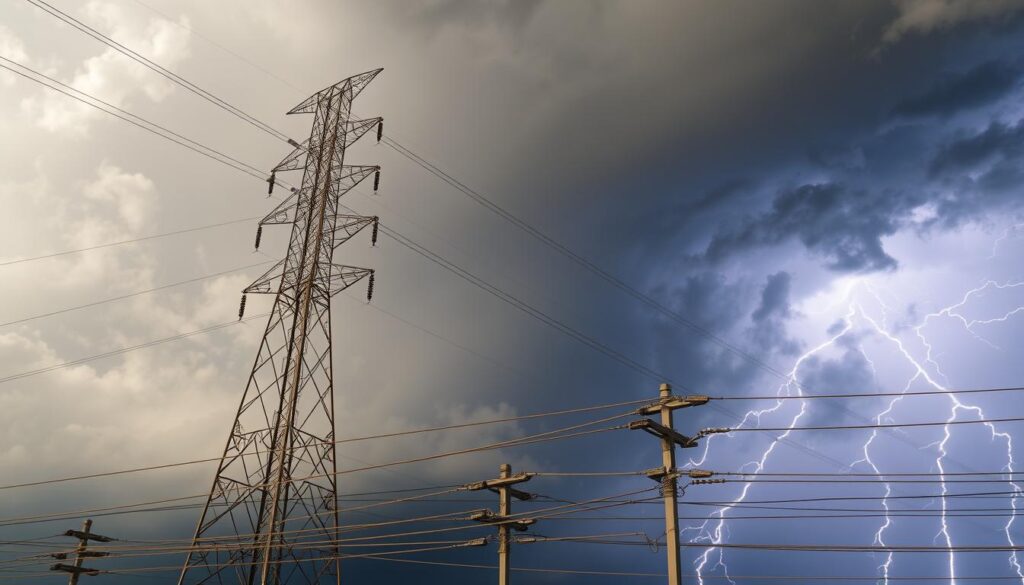
Your home’s electrical system is your first line of defense against lightning strikes. When a storm rolls in, the risk of damage increases, especially during a rainy day. Installing lightning protection systems and ensuring proper grounding can significantly reduce these risks.
Installing Lightning Rods for Home Safety
Lightning rods are a simple yet effective way to protect your home. They work by diverting dangerous electrical energy safely into the ground. This reduces the risk of fire and other damage caused by lightning strikes.
Recent advancements in technology have made lightning rods more efficient. Modern systems are designed to handle higher currents, providing better protection during severe weather. Investing in these systems can save you from costly repairs and ensure your home stays safe.
Ensuring Proper Grounding of Your Electrical System
Proper grounding is essential for safety. It helps reduce the risk of electrical surges that can damage your appliances and wiring. During a rainy day, the risk of surges increases, making grounding even more important.
Improper grounding has led to expensive repairs in the past. For example, homes without adequate grounding have experienced electrical fires and damaged appliances. Ensuring your system is properly grounded can prevent these issues.
Here are some tips for proper grounding:
- Use high-quality grounding rods and connectors.
- Regularly inspect your grounding system for wear and tear.
- Consult a professional to ensure your system meets safety standards.
By taking these steps, you can protect your home from lightning strikes and ensure safety during severe weather. Remember, a little preparation goes a long way in keeping your home and family safe.
Cost-Saving Benefits of Regular Maintenance and HVAC Repair
Regular maintenance is the key to keeping your HVAC system running smoothly and saving money in the long run. By investing in routine checkups, you can avoid costly breakdowns and extend the lifespan of your system. Studies show that a well-maintained HVAC system operates up to 15% more efficiently than a neglected one.
Early detection of issues in your electrical system and circuit problems can prevent major failures. For example, a simple inspection can identify worn-out wiring or a failing component before it causes a breakdown. This proactive approach saves you from expensive repair bills and ensures your home stays comfortable year-round.
Working with a reliable HVAC professional is essential for maintaining your system. Case studies show that homeowners who schedule regular maintenance save significantly on energy bills and repair costs. A trusted technician can spot potential issues during routine inspections, preventing them from escalating into major problems.
Here’s a quick guide to the cost-saving benefits of regular maintenance:
| Benefit | Impact | Action |
|---|---|---|
| Improved Efficiency | Lowers energy bills by up to 15% | Schedule annual checkups |
| Early Issue Detection | Prevents costly breakdowns | Inspect electrical systems and circuits |
| Extended Lifespan | Delays the need for replacement | Clean filters and lubricate parts |
Taking immediate steps can protect your investment and keep repair costs under control. For instance, cleaning air filters every 30 days improves air quality and system efficiency. Sealing ducts can also lower energy bills by preventing air loss.
By prioritizing regular maintenance, you’ll enjoy a comfortable home and significant savings over time.
Conclusion
Taking steps to protect your home’s cooling system during extreme weather can save you time and money. From installing a reliable protector to scheduling regular maintenance, these small actions make a big difference. Remember, your conditioning system is an investment worth safeguarding.
Start by securing your outdoor unit and elevating it in flood-prone areas. Combine these efforts with professional inspections to catch issues early. By staying proactive, you’ll ensure your home stays comfortable, no matter the weather.
Ready to take action? Begin with a simple step—install a surge protector today. Pair it with routine maintenance for long-term peace of mind. Your home and family deserve the best protection, and it starts with you.
FAQ
Why is it important to protect my air conditioner during a storm?
How can lightning strikes affect my HVAC system?
What are the signs of power surge damage in my air conditioner?
Should I install a surge protector for my air conditioning unit?
How can I prevent water damage to my air conditioner during heavy rain?
Should I turn off my air conditioner during a storm?
How does pre-cooling my home help during extreme weather?
What should I look for in an HVAC professional for storm-related repairs?
How do I document storm damage for an insurance claim?
Can grounding my electrical system protect my air conditioner?
How does regular maintenance save me money on HVAC repairs?
Source Links
- Is It OK To Run Your AC During A Thunderstorm? – Energy Pro
- Shutting Off Your A/C During a Thunderstorm | Cates Heating And Cooling
- How to Protect Your AC From Severe Weather | ACS Home Services
- Can I Keep My AC On During A Thunderstorm? – Point Bay Fuel
- Tips to Prevent AC Compressor Storm Damage
- A Comprehensive Guide to Storm-proofing Your HVAC System | Dale’s AC
- 6 Signs of Storm Damage on Your AC | Integrity Heating and Cooling
- Signs of Air Conditioner Damage After a Storm | Logan Services A/C, Heat & Plumbing
- Understanding Air Conditioner Lightning Strikes
- Should You Turn Off Your Air Conditioner During a Storm?
- What to Do After A Power Surge | ACS Home Services
- Storm Season Safety: Power Surge & More | Mister Sparky
- How to Minimize Power Surge Damage: Tips and Tricks
- How to Protect Your AC from Power Surges: Expert Tips
- 7 Reliable Ways Surge Protectors Safeguard Your AC
- How to Safeguard Your AC During Thunderstorms and Heavy Rain in North Dallas | Air Repair Pros: Air Conditioning and Heating Services in Frisco TX
- 8 Ways to Protect Your AC from Storms – Trane®
- Is it OK to run your air conditioner during a thunderstorm?
- How to Prepare Your HVAC System For a Storm – HVAC Resources
- How to prep your HVAC for winter storms
- How to Hurricane-prep Your Air Conditioner and Minimize Houston Storm Damage
- How to Protect Your Air Conditioner During a Hurricane
- 10 Maintenance Tips To Extend Your AC’s Lifespan
- 8 Tips for Preparing Your AC Unit for the Summer Months
- HVAC System Preparing Tips To Know for Severe Weather
- HVAC Safety Tips | Air Conditioner & Heater Repair
- Protect HVAC System: Storms – McCarthy Air Conditioning
- How to Prepare Your HVAC System for Hurricane Season
- How to Assess, Document, and Repair Storm Damage to Your Home
- Maximizing Your Claim: Tips For Filing After Hail Damage | Insurance Claim Recovery Support-Public Insurance Adjusters
- Tips for Preparing Home Electrical Systems for Extreme Weather
- Above + Beyond
- Lightning threat and protection from lightning information and product by jmv lps ltd
- Lightning Strikes on BA Flights A Pilot’s Perspective on Aircraft Safety Systems at London Airports
- How Maintenance Helps Prevent HVAC Storm Damage | Princeton Air
- Top 10 HVAC Tips for Extreme Weather Events – One Hour Air Conditioning & Heating Fort Worth TX & North Dallas / Plano Area. Gladly servicing the Fort Worth and North Dallas Area.
- Air Conditioning Service | Do’s and Don’ts During a Thunderstorm
- Is It Safe to Use My Plumbing or HVAC System During a Thunderstorm?



0 Comments