Your HVAC system is the backbone of your home’s comfort, and the liquid line plays a crucial role in its performance. This component ensures the smooth flow of refrigerant between the condenser and evaporator, keeping your system running efficiently. Without proper installation or maintenance, issues like leaks, freezing, or pressure drops can disrupt your HVAC’s functionality and even damage the compressor1.
Did you know that a pressure drop of just 3 psi can reduce your system’s capacity by 2.5%2? This highlights the importance of correctly sizing and maintaining your liquid line. Whether it’s a hot summer day or a cool morning, a well-functioning HVAC system ensures consistent comfort while saving energy and protecting your investment.
Key Takeaways
- The liquid line is vital for refrigerant flow and system efficiency.
- Pressure drops can significantly reduce HVAC performance.
- Proper installation prevents issues like leaks and freezing.
- Maintaining airflow and cleanliness helps avoid common problems.
- Correct refrigerant levels are essential for optimal operation.
Understanding HVAC Liquid Line Fundamentals
The efficiency of your HVAC system hinges on the seamless operation of its liquid line, a critical component in the refrigerant circuit. This part ensures the smooth flow of refrigerant between the condenser and evaporator, maintaining optimal performance. Without it, your system could face issues like freezing or pressure drops, which can disrupt comfort and increase energy costs3.
Exploring the Role of Refrigerant Flow in Efficiency
Refrigerant flow is the lifeblood of your HVAC system. It moves through the liquid line as high-pressure liquid refrigerant, ensuring the evaporator receives the right amount for cooling. Proper subcooling is essential here—it prevents the refrigerant from vaporizing too early, which can reduce cooling capacity4.
Think of it like a well-tuned engine. If the flow is disrupted, the entire system struggles. Regular maintenance ensures this flow remains steady, keeping your home comfortable year-round.
Key Components and Their Functions in Your System
Your HVAC system relies on several components to function efficiently. The liquid line is made of durable copper tubing, designed to withstand high pressure and temperature. Other critical parts include the condenser, evaporator, and metering device, each playing a unique role in the refrigeration cycle3.
Here’s a quick breakdown of their functions:
| Component | Function |
|---|---|
| Liquid Line | Transports high-pressure refrigerant |
| Condenser | Cools refrigerant into liquid state |
| Evaporator | Absorbs heat to cool the air |
| Metering Device | Regulates refrigerant flow |
Industry Insights and Recent Research Trends
Recent studies highlight the importance of proper sizing and material quality in HVAC systems. For instance, mismatched tubing diameters can lead to system overloads and inefficiencies3. Enhanced vapor injection (EVI) is another innovation, improving efficiency by subcooling refrigerant before it enters the evaporator4.
These advancements not only boost performance but also extend the lifespan of your system. Staying informed about these trends can help you make better decisions for your HVAC maintenance and upgrades.
Liquid Line Guide: Installation Best Practices for Optimal Performance
Proper setup of your HVAC components is key to long-term efficiency. A well-installed system ensures smooth refrigerant flow, prevents leaks, and avoids pressure drops that can disrupt performance. Whether you’re a seasoned pro or a DIY enthusiast, these tips will help you get it right the first time.
Step-by-Step Installation Tips You Can Trust
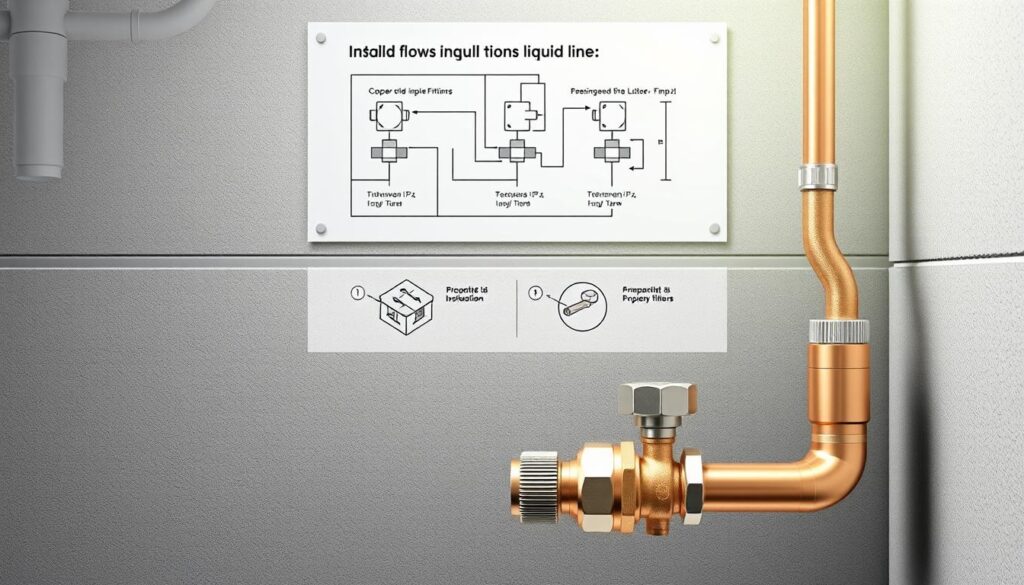
Start by measuring the length of your piping. For a 25,000 BTUH load, a 3/8″ line works for 100 feet, while a 1/2″ line is better for 150 feet5. This ensures the right flow and minimizes pressure loss. Always use long-radius elbows to reduce friction and maintain system strength5.
Next, insulate low-temperature suction lines to keep the gas cool and prevent heat gain. This step is crucial for maintaining efficiency and protecting the compressor6. Finally, ensure the condenser is placed correctly. Elevation differences can impact refrigerant flow, so adjust line sizes accordingly6.
Choosing the Right Materials and Tubing for Durability
Copper tubing is the go-to choice for its durability and ability to withstand high pressure. For systems with longer runs, consider adding a crankcase heater to prevent refrigerant migration7. Aluminum is another option, especially for its lightweight and corrosion resistance.
When welding, use gaseous nitrogen or carbon dioxide to avoid contamination5. This ensures a clean, efficient system. Remember, the maximum recommended liquid line velocity is 400 feet per minute, so choose materials that support this flow7.
By following these steps and selecting the right materials, you’ll create a robust HVAC system that delivers consistent performance for years to come.
Troubleshooting Common Issues in Liquid Refrigerant Lines
When your HVAC system starts acting up, it’s often the liquid refrigerant lines that need attention. These components are vital for maintaining proper refrigerant flow, and even small issues can lead to significant performance problems. Let’s explore how to identify and fix common problems like pressure drops, leaks, and subcooling failures.
Identifying Pressure Drop and Leakage Indicators
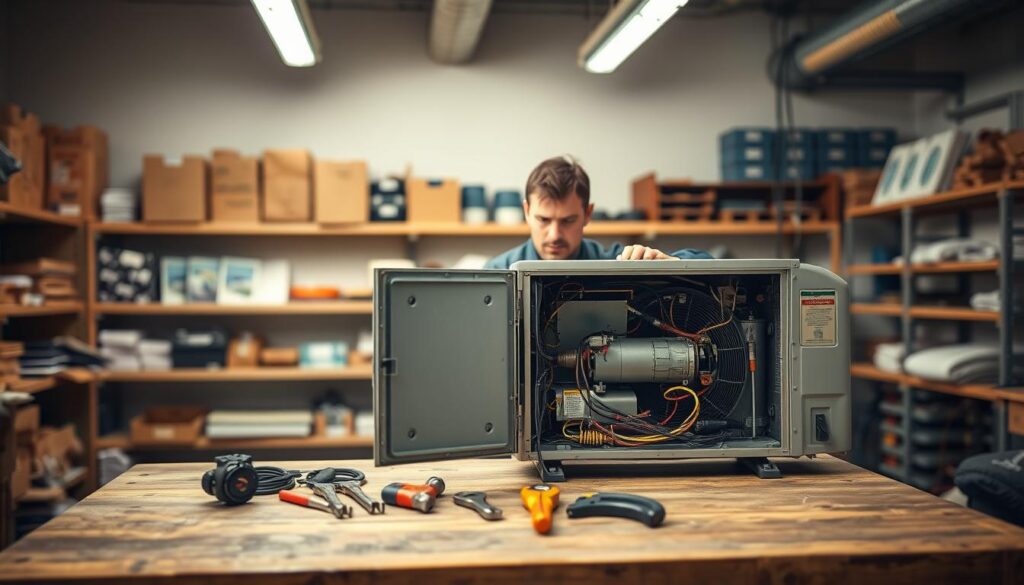
A sudden pressure drop can signal a problem in your system. Look for signs like reduced cooling efficiency or unusual noises. Leaks often occur at joints or seals, and discoloration or corrosion on the tubing can be a clear indicator8.
If your compressor is running longer than usual, it might be struggling with undercharging or flooding, which occurs in about 35% of malfunctioning systems8. Regular maintenance can reduce these risks by up to 40%, saving you time and money8.
Diagnosing Subcooling Problems and Flow Irregularities
Subcooling issues often stem from improper refrigerant levels or blockages in the line. If your evaporator isn’t cooling effectively, it could be due to refrigerant flooding, which happens in about 12% of cases8.
High suction and discharge pressures are common signs of overcharging, observed in 28% of failures8. To avoid this, ensure your refrigerant levels are correct and check for physical damage in the tubing. A well-maintained system can improve efficiency by up to 15%8.
By staying vigilant and addressing these issues early, you can keep your HVAC system running smoothly and avoid costly repairs. Remember, a little attention now can save you a lot of trouble later.
Conclusion
Ensuring your HVAC system runs smoothly starts with understanding its core components. The liquid line plays a vital role in maintaining proper refrigerant flow, which is essential for cooling efficiency. Regular checks and timely maintenance can prevent issues like pressure drops or leaks, saving you time and money9.
Proper installation and sizing of the liquid line are critical. For example, a well-designed system ensures the evaporator receives the right amount of refrigerant, avoiding overcharging or undercharging10. This not only boosts performance but also extends the lifespan of your compressor.
Take action today by inspecting your system for signs of wear or inefficiency. If you notice unusual temperatures or pressure changes, consult a trusted professional. Staying proactive ensures your HVAC system remains reliable, efficient, and ready to keep you comfortable year-round.
FAQ
What is the purpose of the liquid line in an HVAC system?
How can I identify a pressure drop in my refrigerant lines?
What materials are best for HVAC tubing?
Why is subcooling important in a refrigerant system?
How do I troubleshoot flow irregularities in my system?
What are common indicators of refrigerant leakage?
Can I install HVAC tubing myself?
How does refrigerant flow impact HVAC efficiency?
Source Links
- What’s the Liquid Line on Air Conditioners? | AC Liquid Line
- TRG-TRC006-EN 06/27/2011 Air Conditioning Clinic – Refrigerant Piping One of the Fundamental Series
- Understanding Your AC: The Function of the Lineset
- Refrigeration Basics: Understanding the Refrigeration Cycle
- Ensuring Appropriate Suction Line Sizing and Length in HVAC&R Systems
- Basic Air Conditioning Piping Recommendations – Liquid Lines
- Refrigeration Systems: Common Issues and Solutions | Compressors Unlimited – Remanufactured Compressor Leader
- Understanding the Importance of Liquid Line in HVAC Systems
- Don’t Mistake Liquid Line Restriction For an Undercharge of Refrigerant


0 Comments