
Nothing feels worse than coming home on a hot day, only to find your air conditioner isn’t doing its job. If your unit isn’t blowing cold air, you’re not alone—this is a common issue many face. According to industry stats, clogged filters are one of the top culprits, reducing airflow and cooling efficiency by up to 15%.
This guide is here to help you diagnose and fix the problem, whether it’s a dirty filter, a refrigerant leak, or a faulty thermistor. We’ll walk you through simple steps to restore your room to a comfortable temperature. By the end, you’ll feel like you’ve had a chat with a trusted friend who knows all the tricks.
Key Takeaways
- Clogged filters are a common cause of reduced airflow and cooling efficiency.
- Regular maintenance can prevent most issues with your unit.
- Proper installation ensures optimal performance for your air conditioner.
- Refrigerant leaks often require professional assessment and repair.
- Cleaning the filter and coils can significantly improve cooling efficiency.
Understanding How Window Air Conditioners Work
Ever wondered how your air conditioner keeps your room so comfortable? It’s all about the science of cooling and airflow. Let’s break it down in simple terms so you can understand what’s happening behind the scenes.
Mechanics of Cooling and Air Flow
Your unit works like a mini fridge for your room. It pulls in warm air, cools it down, and sends it back out. The process starts with the compressor, which pressurizes refrigerant gas and turns it into a high-pressure liquid. This liquid then flows through the evaporator coil, absorbing heat from the air.
Next, the blower fan circulates the chilled air throughout the room. Meanwhile, the refrigerant, now a low-pressure gas, returns to the compressor to start the cycle again. It’s a continuous loop that keeps your space at the perfect temperature.
Importance of Proper Sizing and BTU Considerations
Choosing the right size for your unit is crucial. Think of it like buying shoes—too small, and it won’t fit; too big, and it’s uncomfortable. The same goes for air conditioners. A unit with the wrong BTU (British Thermal Unit) rating can lead to inefficiency and higher energy bills.
For example, a room between 150 to 350 square feet typically needs a unit with 5,000 to 8,000 BTUs. Oversizing can cause the unit to cycle on and off too often, while undersizing means it’ll struggle to cool the space. Matching the model to your room’s size ensures optimal performance and comfort.
By understanding these basics, you’ll be better equipped to troubleshoot any issues that arise. It’s like knowing how your car works—it helps you spot problems before they become major headaches.
Troubleshooting Common Cooling Issues
When your unit isn’t performing as it should, it’s easy to feel stuck in the heat. But don’t worry—most issues have simple fixes. Let’s walk through some common problems and how to address them.
Identifying When Your Unit Isn’t Blowing Cold Air
If your room feels warmer than usual, it’s time to investigate. Check for weak airflow or inconsistent temperatures. These are clear signs your unit might be underperforming.
Another red flag is unusual noises. Grinding or rattling sounds often point to debris buildup or misaligned parts. Addressing these early can save you from bigger headaches later.
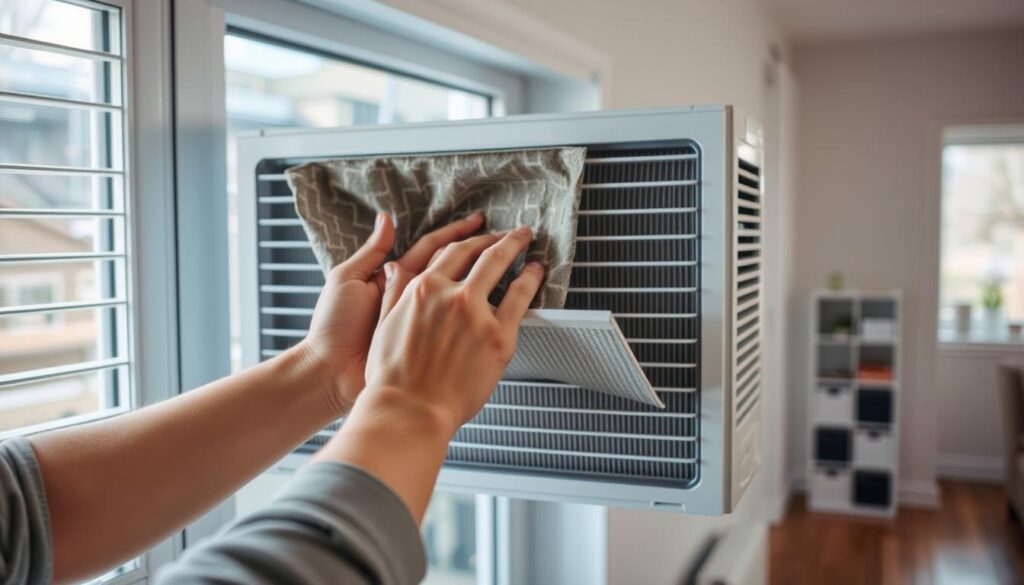
Checking and Cleaning Filters, Fans, and Fins
Dirty filters are a top culprit for reduced airflow. Think of them like a clogged coffee machine—they need regular attention. Cleaning or replacing them every three months is a good tip for optimal performance.
Next, inspect the fans and fins. Dust and debris can block airflow, making your unit work harder. Use a soft brush or vacuum attachment to gently clean these parts. This simple maintenance step can improve efficiency significantly.
For a deeper clean, mix mild soap with water and wipe down the fins. Be gentle to avoid bending or damaging them. This ensures your unit can effectively remove heat from your space.
By keeping these components clean, you’ll maintain a cool room and extend the life of your unit. Plus, it’s an easy way to avoid costly repairs down the line.
window ac cooling guide: Essential Troubleshooting Steps
Is your space not feeling as cool as it should? Let’s figure out why. Troubleshooting your unit doesn’t have to be overwhelming. With a few simple steps, you can identify the issue and get back to enjoying a comfortable home.
Step-by-Step Diagnostic Process
Start by ensuring safety. Unplug the unit before inspecting it. This simple step prevents accidents and keeps you protected.
Next, check the airflow. Is the fan working properly? Weak airflow often points to clogged filters or debris buildup. Cleaning or replacing the filter can improve efficiency by up to 30%.
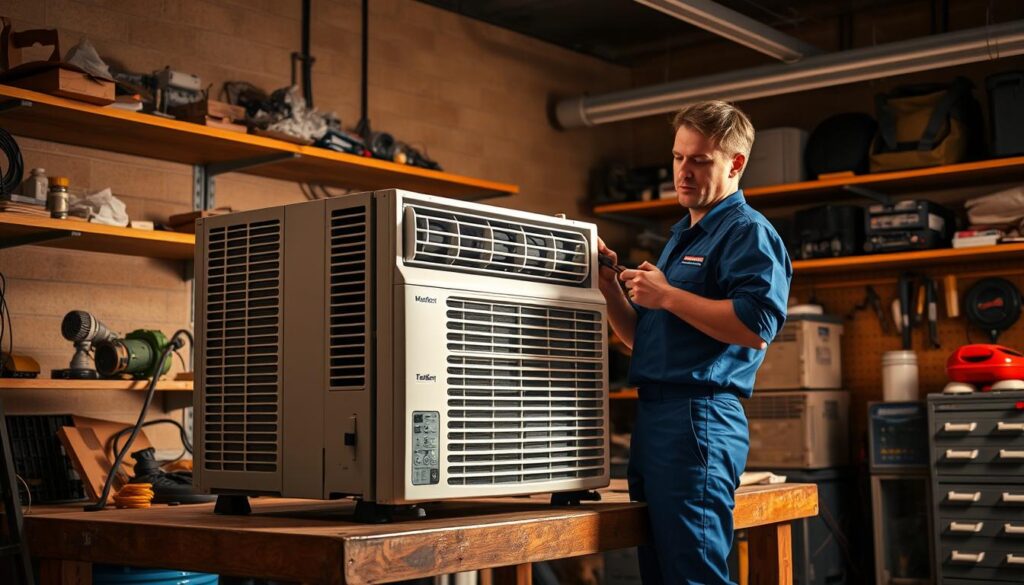
Now, test the controls. Are the settings on the control panel functioning correctly? Misconfigured settings can lead to inconsistent cooling. Adjust the thermostat and see if the unit responds.
Measure the unit’s performance. Compare its cooling capacity to the standard BTU rating for your room size. A mismatch can cause inefficiency. For example, a 150-square-foot room typically needs a 5,000 BTU unit.
Finally, inspect the fins and coils. Use a soft brush to gently clean these parts. Bent fins can block airflow, so realign them carefully. This maintenance step can boost performance significantly.
If these steps don’t resolve the issue, it might be time to call a professional. Addressing problems early saves both cost and energy. Plus, it ensures your unit runs smoothly for years to come.
Maximizing Efficiency Through Smart Placement and Maintenance
Smart habits can make a big difference in how your system performs. Proper placement and regular upkeep not only extend its lifespan but also keep your energy bills in check. Let’s explore how you can get the most out of your unit.
Selecting the Best Window for Installation
Where you place your unit matters. A north-facing, shaded window is ideal. It reduces direct sunlight exposure, helping your system work less to cool your space. This simple step can improve efficiency by up to 10%.
Consider your room size too. A well-chosen spot ensures better airflow and consistent cooling. Avoid areas near heat sources like ovens or electronics, as they can strain your unit.
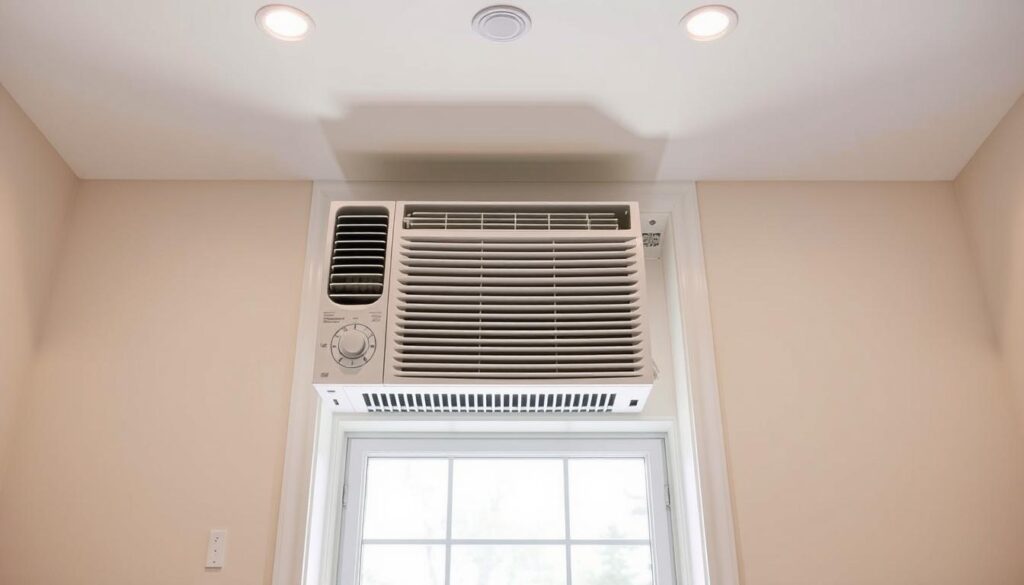
Leveraging Smart Settings and Regular Upkeep
Modern units often come with energy-saving features like eco-modes and programmable thermostats. Use these to manage energy use without sacrificing comfort. For example, setting the thermostat to 78°F can save up to 3% on your cost.
Regular maintenance is key. Clean or replace filters every three months to prevent dust buildup. Inspect fins and coils for debris, and schedule professional check-ups annually. These steps keep your unit running smoothly and reduce humidity issues like mold.
By adopting these habits, you’ll enjoy a comfortable climate year-round while saving money. A little effort now can prevent bigger problems later.
Final Thoughts and Actionable Insights
Keeping your space comfortable doesn’t have to be a hassle. With the tips in this guide, you’re now equipped to troubleshoot, maintain, and optimize your air conditioning system. Remember, regular checks on filters, fins, and settings can make a big difference in performance.
Proper placement in your living area and smart use of energy-saving features can also boost efficiency. For example, scheduling annual maintenance can extend your product’s lifespan and save you money in the long run.
Take a moment to review your settings and create a maintenance log. This simple step ensures your unit runs smoothly, even during peak heat. If you’re unsure about any step, consult your manufacturer’s manual or reach out to a professional.
By staying proactive, you’ll enjoy a cooler, more comfortable home. Share your experiences or ask questions—this guide is here to help you every step of the way.
FAQ
Why isn’t my window air conditioner blowing cold air?
How do I know if my air conditioner is the right size for my room?
How often should I clean the filter in my window air conditioner?
Can I install my window air conditioner in any window?
What’s the best way to maintain my window air conditioner for long-term use?
How can I improve the energy efficiency of my window air conditioner?
What should I do if my window air conditioner is making unusual noises?
Can a window air conditioner help reduce humidity in my room?
Source Links
- How to Fix an AC Not Blowing Cold Air
- Why Isn’t My Window Air Conditioner Blowing Cold Air?
- 5 Potential Reasons Your Window AC Isn’t Blowing Cold Air and How to Fix It
- How Window Air Conditioners Work: A Comprehensive Guide
- How Do Window Air Conditioners Work? Energy Efficient Windows Help
- Appliance Science: The cool physics of window air conditioners
- Airview AC
- 10 Troubleshooting Tips for Common AC Problems | Enercare
- Troubleshooting Guide: Why Isn’t My Window AC Unit Working?
- 5 Essential Steps for Window AC Upkeep
- 11 Tips to Keep Your Window Air Conditioner Running All Summer Long
- 2025 Homeowner’s Guide to Energy-Efficient Air Conditioning
- How to Optimize Your AC for Better Efficiency
- Maximize Your Air Conditioning Effectiveness This Summer | AC Repair
- Stay Cool & Informed: Your Comprehensive Dive into Air Conditioning Service Excellence – One Hour Air Conditioning & Heating Fort Worth TX & North Dallas / Plano Area. Gladly servicing the Fort Worth and North Dallas Area.
- Top 10 HVAC Industry Trends in 2025 | StartUs Insights
- Docker: Accelerated Container Application Development



0 Comments