
Struggling to keep your home cool during the summer heat? You’re not alone. Choosing the right air conditioner can feel overwhelming, especially with so many options available. This guide is here to simplify the process and help you find the perfect unit for your space.
Proper sizing is crucial. A unit that’s too small won’t cool your room effectively, while one that’s too large wastes energy and increases your bills. For example, a 150-square-foot space typically requires a 5,000 BTU model. ENERGY STAR-certified units can save you up to 9% on energy costs, making them a smart choice for both your wallet and the environment.
This guide covers everything from measuring your square footage to understanding cooling capacity and energy efficiency. You’ll also learn about features like remote controls and timers that make your life easier. Let’s make this summer the most comfortable one yet!
Key Takeaways
- Proper sizing ensures efficient cooling and energy savings.
- ENERGY STAR-certified units reduce energy costs by up to 9%.
- Measure your room’s square footage to determine the right BTU capacity.
- Look for user-friendly features like remote controls and timers.
- Regular maintenance keeps your unit running efficiently.
Identifying Your Cooling Needs and Measuring Room Size
Finding the right cooling solution starts with understanding your space. The first step is to measure your room’s dimensions accurately. This ensures you choose an air conditioner that matches your needs perfectly.
How to Calculate Your Room’s Square Footage Effectively
To determine your room’s square footage, measure its length and width using a tape measure. Multiply these two numbers to get the total area. For example, a room that’s 10 feet long and 12 feet wide has 120 square feet.
If your room has an irregular shape, break it into smaller sections, measure each, and add the areas together. This method ensures you don’t miss any space that needs cooling.
Determining the Right BTU Rating for Your Space
Once you know your room’s size, the next step is to find the right BTU rating. As a general rule, you’ll need about 20 BTUs per square foot. For example, a 150-square-foot room requires a 5,000 BTU unit.
However, other factors can influence your choice. Rooms with lots of sunlight or high ceilings may need a 10% increase in BTU capacity. Kitchens, which generate extra heat, often require an additional 4,000 BTUs.
Choosing the correct BTU rating ensures your air conditioner cools efficiently without wasting energy. A unit that’s too small will struggle to lower the temperature, while one that’s too large will cycle on and off too frequently.
By taking the time to measure and calculate, you’ll find the perfect match for your space. This not only keeps you comfortable but also saves you money on energy bills.
Exploring Essential Features and User-Friendly Controls
Modern air conditioners come packed with features that make cooling your home easier than ever. From intuitive controls to smart connectivity, these advancements ensure you stay comfortable without hassle. Let’s dive into the features that make today’s units stand out.
Digital Displays, Touchpad Controls, and Unique Operating Modes
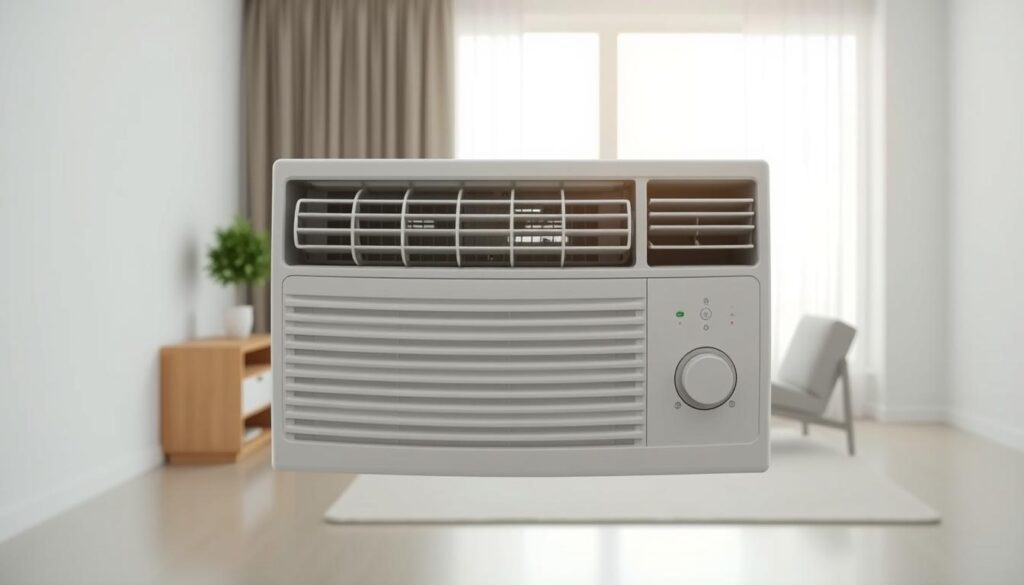
Gone are the days of clunky mechanical controls. Today’s units feature sleek digital displays and responsive touchpads. These interfaces make it simple to adjust settings like temperature and fan speed. For example, the GE Profile Clearview PHNT10CC offers a clear digital readout and easy-to-use touch controls.
Many models also include unique operating modes. Sleep mode reduces noise and energy use overnight, while eco mode optimizes cooling for efficiency. These features ensure your room stays comfortable without wasting power.
Smart Features, Remote Control, and Connectivity Options
Smart technology has revolutionized how we interact with air conditioners. Remote controls allow you to adjust settings from across the room, while smartphone apps let you manage your unit from anywhere. The Frigidaire Gallery GHWQ083WC1, for instance, includes a remote with a built-in timer for added convenience.
Some models even integrate with smart home systems like Alexa or Google Assistant. This connectivity lets you control your unit with voice commands, making it easier than ever to stay cool.
| Feature | Benefit | Example Model |
|---|---|---|
| Digital Display | Easy-to-read settings | GE Profile Clearview PHNT10CC |
| Remote Control | Convenient adjustments | Frigidaire Gallery GHWQ083WC1 |
| Smart Connectivity | Voice and app control | LG Dual Inverter Smart Wi-Fi |
These features not only enhance comfort but also save you money on energy bills. By choosing a model with the right controls, you can enjoy a cooler home with minimal effort.
Ensuring Energy Efficiency and Lowering Your Cooling Costs
Energy-efficient cooling can save you money while protecting the environment. By choosing the right air conditioner, you can reduce your energy bills and enjoy a comfortable home without compromising on performance. Let’s explore how features like Energy Star ratings and EER can make a difference.

Understanding Energy Star Ratings and EER Performance
Energy Star ratings are a trusted indicator of an air conditioner’s efficiency. Units with this certification meet strict guidelines set by the EPA, ensuring they use less energy than standard models. For example, Energy Star-certified units can save you up to 9% on cooling costs annually.
The Energy Efficiency Ratio (EER) measures how well a unit converts electricity into cooling. A higher EER means better performance and lower energy consumption. For instance, a model with an EER of 12 is more efficient than one with an EER of 10, saving you money over time.
Here’s a quick comparison of popular models:
- Frigidaire FFRE0833S1: 8,000 BTU, EER 12.1, Energy Star certified.
- LG LW8016ER: 8,000 BTU, EER 11.3, Energy Star certified.
- GE AHY08LZ: 8,000 BTU, EER 11.2, Energy Star certified.
By selecting a unit with a high EER and Energy Star certification, you can maximize efficiency and minimize costs. Look for features like programmable timers and eco modes, which further reduce energy use without sacrificing comfort.
Did you know that cooling accounts for about 12% of the average household’s energy bill? Choosing an efficient air conditioner can significantly lower this percentage, putting more money back in your pocket. Plus, it’s a step toward a greener, more sustainable future.
Installation, Setup, and Maintenance for Optimal Performance
Proper installation and maintenance are key to keeping your space cool and comfortable. Whether you’re setting up a new air conditioner or maintaining an existing one, following these steps ensures your unit runs efficiently and lasts longer.
Proper Installation Tips and Safety Considerations
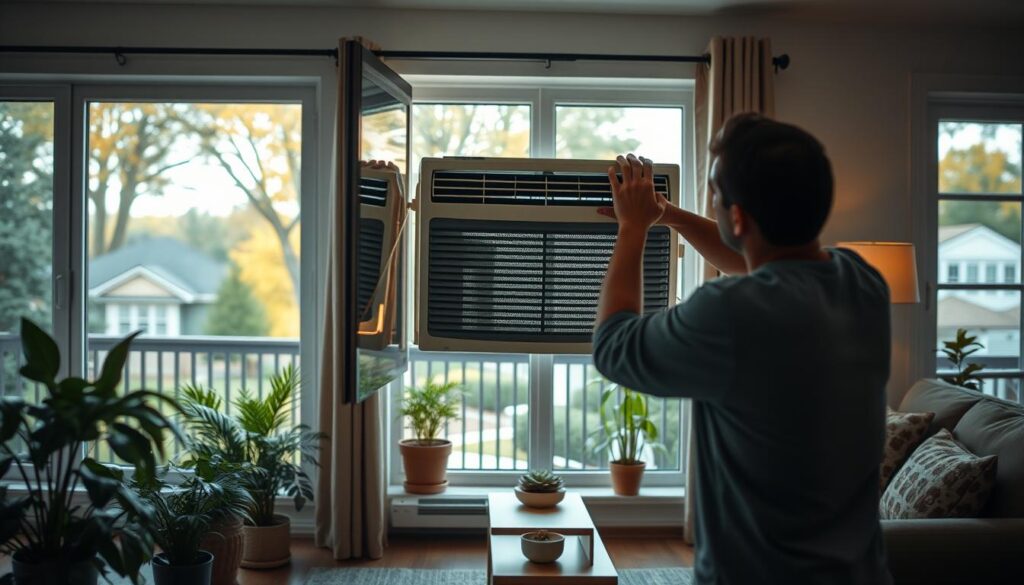
Start by choosing the right window for your unit. A shaded location helps reduce the workload on your air conditioner, improving its efficiency. Measure your window dimensions carefully to ensure a snug fit.
When mounting the unit, always have a helper. Secure it firmly to prevent accidents. Use weatherstripping or foam panels to seal gaps around the unit, keeping cool air inside and reducing energy waste.
Safety is crucial. Ensure the electrical circuit can handle the load to avoid tripped breakers. A slight tilt of about half an inch helps with proper drainage, preventing water buildup.
Easy Maintenance and Filter Cleaning Guidance
Regular maintenance keeps your air conditioner running smoothly. Clean or replace the filter every two weeks during peak usage. A dirty filter reduces airflow and increases energy consumption.
Vacuum the interior and exterior of the unit to remove dust and debris. For deeper cleaning, use a mild detergent and water. This prevents mold and ensures efficient cooling.
Before storing your unit for the season, clean it thoroughly and cover it to protect against dust. These simple steps extend its lifespan and save you money on repairs.
Handling Common Challenges and Maximizing Air Flow Efficiency
Dealing with cooling challenges can be frustrating, but solutions are within reach. Whether you’re installing a new air conditioner or troubleshooting an existing one, understanding common issues can save you time and money. Let’s explore how to overcome hurdles and ensure your unit performs at its best.
Overcoming Installation Hurdles and Electrical Issues
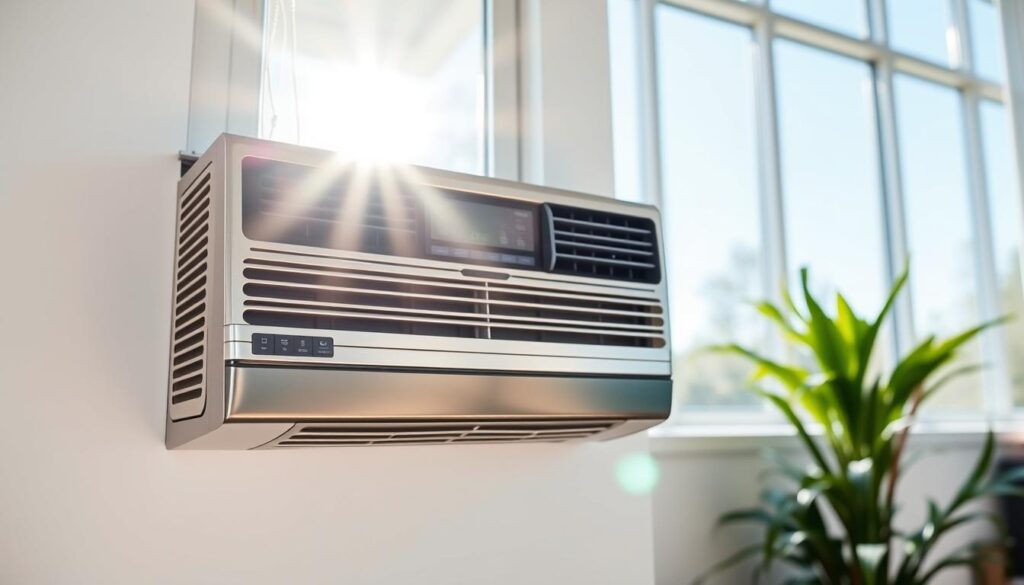
One of the most common challenges is ensuring your air conditioner fits securely in your window. Nonstandard windows or improper measurements can lead to gaps, reducing efficiency. Use weatherstripping or foam panels to seal these spaces and keep cool air inside.
Electrical compatibility is another critical factor. Ensure your outlet can handle the unit’s power requirements to avoid tripped breakers. If you’re unsure, consult a licensed electrician to assess your home’s electrical system. This step prevents potential hazards and ensures smooth operation.
Ensuring Optimal Airflow and Cooling Efficiency
Obstructed airflow can reduce your air conditioner’s performance. Keep the area around the unit clear of furniture, curtains, or other objects. This allows for proper ventilation and maximizes cooling efficiency.
Regular maintenance is also key. Clean or replace the filter every two weeks during peak usage. A dirty filter restricts airflow, forcing the unit to work harder and increasing your energy bill. Vacuum the interior and exterior to remove dust and debris, ensuring smooth operation.
| Challenge | Solution | Benefit |
|---|---|---|
| Improper Fit | Use weatherstripping or foam panels | Prevents air leaks |
| Electrical Issues | Check outlet compatibility | Avoids tripped breakers |
| Obstructed Airflow | Clear space around the unit | Improves cooling efficiency |
By addressing these challenges, you’ll not only enhance your air conditioner’s performance but also save money on energy costs. A well-maintained unit keeps your room comfortable and extends its lifespan. With these tips, you’re ready to tackle any cooling hurdle with confidence.
Your Ultimate window ac buying guide: Key Factors to Consider
The right air conditioner can transform your home into a comfortable oasis. With so many brands and models available, it’s essential to compare features, prices, and performance to find the perfect fit for your needs. Let’s dive into what makes each brand stand out and how current trends can guide your decision.
Comparing Popular Brands and Their Unique Features
When choosing an air conditioner, brands like GE, Frigidaire, Haier, and LG offer distinct advantages. GE is known for its wide availability and reliable performance, with models ranging from 5,000 to 25,000 BTUs. Frigidaire stands out for its affordability and range, offering units from 5,000 to 28,000 BTUs.
Haier is celebrated for its innovative features, such as energy-efficient designs and quiet operation. LG, on the other hand, excels in smart connectivity, allowing you to control your unit via smartphone apps or voice commands. Here’s a quick comparison:
- GE: Wide availability, 5,000-25,000 BTUs, priced $150-$400.
- Frigidaire: Affordable, 5,000-28,000 BTUs, priced $100-$800.
- Haier: Innovative, 5,000-24,000 BTUs, priced $100-$500.
- LG: Smart features, 5,000-14,000 BTUs, priced $150-$500.
Integrating Consumer Trends with Practical Research Data
Today’s consumers prioritize smart features and energy efficiency. Smart connectivity, like Wi-Fi and app control, is increasingly popular, offering convenience and better cooling management. Energy-efficient models, such as those with high EER ratings, save money on utility bills while reducing environmental impact.
Noise levels are another critical factor. Brands like Haier and LG focus on quieter operation, making them ideal for bedrooms or offices. Research shows that households spend about 13% of their annual utility bills on cooling, so investing in an efficient unit can lead to significant savings.
When making your decision, consider your room size, budget, and lifestyle. Prioritize features that align with your daily needs, whether it’s smart controls, quiet operation, or energy savings. By focusing on these factors, you’ll find the perfect air conditioner to keep your home comfortable all summer long.
Conclusion
Transform your home into a cool retreat with the right air conditioner. By measuring your room size and matching it with the correct BTU rating, you ensure efficient cooling and energy savings. Energy-efficient models, like those with Energy Star certification, help lower your bills while keeping your space comfortable.
Proper installation and regular maintenance are essential for optimal performance. Cleaning filters and ensuring unobstructed airflow keeps your unit running smoothly. Comparing brands and features allows you to find a model that fits your needs and budget.
Take the next step today. Review your current setup and apply these tips to enjoy a cool, comfortable home this season. With the right air conditioner, you’ll stay refreshed while keeping energy costs in check.
FAQ
How do I measure my room’s square footage for an air conditioner?
What BTU rating do I need for my space?
What features should I look for in a modern air conditioner?
How does the Energy Star rating affect my cooling costs?
What are some tips for installing a window air conditioner?
How often should I clean the filter in my air conditioner?
What should I do if I encounter electrical issues during installation?
How do I compare different brands and models?
Source Links
- How To Choose the Right Sized Window AC
- How to Choose a Window AC Unit: A Window Air Conditioner Buying Guide
- What’s the Right AC Size for You? Matching Your House Size with the Perfect Unit
- What Size AC Unit Do I Need? | American Standard®
- The Best Air Conditioner
- Room Air Conditioners
- Purchasing Energy-Efficient Residential Central Air Conditioners
- How to Choose an Energy-Efficient Air-Conditioner
- Window AC Buying Guides, Tips And Instructions
- Window AC Buying Guides, Tips And Instructions
- A Complete Guide on How to Install a Window AC Unit in Your Room
- How to Find the Best Air Conditioner for Your Comfort
- Ways to Improve Your Air Conditioner Efficiency and Save Money | Hiller
- How to Increase Window AC Energy Efficiency: 6 Tips
- How to Choose the Best Window Air Conditioner | Lowe’s
- Window Air Conditioner Buying Guide: 5 Things to Know Before You Buy
- Best Air Conditioner Buying Guide – Consumer Reports
- Finding the Right Window Air Conditioner – GearLab
- Window AC Buying Guide: Consider these important things before buying one for your space | Best Products – Times of India
- How We Tested Window Air Conditioners



0 Comments