
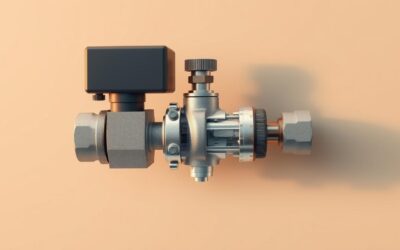
Is your HVAC system not cooling or heating as efficiently as it used to? The culprit might be a small but mighty component called the Thermal Expansion Valve (TXV). This precision valve controls the flow of refrigerant into the evaporator, ensuring your system runs smoothly and efficiently. Without it, your unit could struggle to maintain the right temperature and pressure, leading to higher energy bills and discomfort.
Did you know that adding a TXV can boost your system’s SEER (Seasonal Energy Efficiency Ratio) rating by about 10%1? This improvement translates to significant energy savings over time. However, even minor issues like refrigerant leaks or debris can disrupt its performance, making proper installation and maintenance crucial.
In this guide, we’ll dive into how the TXV works, why it’s essential for your HVAC system, and how to troubleshoot common problems. Whether you’re a homeowner or an HVAC enthusiast, this information will help you optimize your unit’s efficiency and longevity.
Key Takeaways
- The TXV is a critical component for controlling refrigerant flow in HVAC systems.
- Adding a TXV can improve SEER ratings by approximately 10%1.
- Proper installation and maintenance are key to avoiding performance issues.
- Refrigerant leaks or debris can disrupt TXV functionality.
- Understanding the TXV helps optimize system efficiency and reduce energy costs.
Understanding TXV Valves in Modern HVAC Systems
Modern HVAC systems rely on a precise valve to keep your home comfortable. This component, known as the Thermal Expansion Valve (TXV), plays a crucial role in balancing temperature and pressure. Without it, your system could struggle to maintain efficiency, leading to higher energy bills and uneven cooling.
How TXVs Balance Temperature and Pressure
The TXV uses a refrigerant-filled sensing bulb to monitor temperature changes. This bulb is attached to the suction line, where it detects the refrigerant’s heat level. Based on this data, the valve adjusts the flow of refrigerant into the evaporator, ensuring optimal performance2.
Inside the valve, a needle valve and spring work together to regulate pressure. When the sensing bulb detects a rise in temperature, the valve opens wider, allowing more refrigerant to flow. Conversely, it closes slightly when the temperature drops, maintaining a stable balance3.
The Role of Refrigerant Flow Control in Efficiency
Proper refrigerant flow is essential for preventing issues like coil flooding or starvation. The TXV ensures that just the right amount of refrigerant enters the evaporator, optimizing cooling efficiency4. This precise control not only improves comfort but also protects your compressor from damage caused by liquid slugging.
For the TXV to function correctly, the sensing bulb must have good thermal contact with the suction line. Proper placement and insulation are key to accurate adjustments. Regular maintenance, including inspections every six months, helps ensure peak performance4.
Think of the TXV as a thermostat for your refrigerant. Just as a thermostat keeps your home at the perfect temperature, the TXV ensures your HVAC system operates at peak efficiency. By understanding its role, you can better appreciate the technology that keeps your home comfortable year-round.
How Does Your HVAC Efficiency Benefit from TXV Performance?
Are you noticing higher energy bills despite regular HVAC maintenance? The culprit could be your Thermal Expansion Valve (TXV). This small but critical component plays a big role in keeping your system running efficiently. By controlling refrigerant flow, the TXV ensures your unit operates at peak performance, saving you money and improving comfort.

Improving SEER Ratings with Precise Refrigerant Control
Did you know that a well-functioning TXV can boost your system’s SEER rating by up to 10%5? This improvement translates to significant energy savings over time. The valve’s ability to regulate refrigerant flow ensures your HVAC system doesn’t overwork, reducing wear and tear on critical components6.
Think of the TXV as a finely tuned instrument. Just as a musician adjusts their instrument for perfect harmony, the TXV fine-tunes refrigerant flow for optimal efficiency. Even slight refinements in this process can lead to major gains in cooling and heating performance7.
- Energy Savings: Proper TXV operation can reduce energy bills by 10-20%5.
- System Longevity: A well-maintained TXV can extend your HVAC unit’s lifespan by 15-20%5.
- Comfort: Consistent indoor temperatures improve comfort levels by up to 25%5.
By ensuring precise refrigerant control, the TXV not only enhances efficiency but also protects your system from costly repairs. Regular maintenance, like checking the sensing bulb and ensuring proper suction line contact, is key to keeping your TXV in top shape7.
Upgrading to a modern TXV can also improve cooling capacity by 15% compared to older models5. This upgrade is especially beneficial if your current system struggles to maintain consistent temperatures. With a reliable TXV, you’ll enjoy lower energy bills, improved comfort, and a longer-lasting HVAC system.
Installing Your TXV: Best Practices and Key Tips
Proper installation of your HVAC’s expansion valve ensures peak performance and energy savings. A well-installed valve regulates refrigerant flow, maintains optimal pressure, and prevents issues like compressor stress or refrigerant leaks. Follow these best practices to get it right the first time.

Sensing Bulb Placement and Installation Guidelines
The sensing bulb is critical for accurate temperature readings. Place it on the suction line, ensuring it’s securely fastened and insulated. For lines 7/8 inch or smaller, position the bulb at the 12 o’clock position. For larger lines, use the 4 or 8 o’clock position8.
Proper insulation prevents external heat from affecting the bulb’s readings. Use manufacturer-recommended materials to maintain accuracy. This step is essential for the valve to adjust refrigerant flow correctly9.
Common Installation Pitfalls to Avoid
Incorrect bulb placement or poor insulation can lead to system inefficiencies. For example, underfeeding refrigerant increases energy usage by 10-25%, while overfeeding can damage the compressor9.
Debris and contamination are other common issues. Always use filters or strainers to prevent clogging, especially with R-410A and POE oils8. Clean the system thoroughly before installation to avoid these problems.
- Secure the Bulb: Ensure it’s tightly fastened and insulated for accurate readings.
- Check for Debris: Clean the system and use filters to prevent contamination.
- Follow Guidelines: Adhere to manufacturer instructions for optimal performance.
By following these steps, you’ll ensure your expansion valve operates efficiently, extending the life of your system and preventing costly repairs9.
Troubleshooting TXV Failures: What Should You Look For?
Ever wondered why your HVAC system isn’t performing as it should? The issue might lie with your Thermal Expansion Valve (TXV). This small but vital component can cause big problems if it fails. Let’s dive into the common issues and how to spot them before they escalate.
Identifying Issues: Debris, Contamination, and Wear
Debris and contamination are among the top culprits behind TXV failures. Even tiny particles can disrupt refrigerant flow, leading to inefficiencies in your HVAC unit. Common contaminants include dirt, moisture, and even residue from refrigerant oils10.
Wear and tear over time can also cause the valve to stick or malfunction. For example, a sticking valve may underfeed the evaporator, resulting in low pressure and poor cooling10. Regular inspections and cleaning can help prevent these issues.
Understanding Refrigerant Leaks and Valve Stress
Refrigerant leaks are another common problem. If the sensing bulb loses its charge, the valve may close completely, causing a pump-down situation11. This can lead to higher energy bills and reduced system efficiency.
Valve stress often occurs due to improper adjustments or pressure imbalances. For instance, low superheat indicates overfeeding, while high superheat suggests underfeeding10. Ensuring the valve is correctly adjusted can prevent these issues.
- Check for Debris: Clean the system regularly to avoid contamination.
- Inspect the Bulb: Ensure the sensing bulb is properly positioned and insulated.
- Monitor Pressure: Keep an eye on superheat and subcooling levels for signs of trouble.
By staying vigilant and addressing these issues early, you can keep your HVAC system running smoothly. If you’re unsure, it’s always best to consult a trusted technician for a thorough diagnosis.
Your Comprehensive txv guide for Diagnosing and Optimizing HVAC Systems
Are you experiencing inconsistent cooling or rising energy costs? Your HVAC system’s valve might be the issue. Early detection of problems can save you from costly repairs and ensure your system runs efficiently. Let’s explore how to spot the signs and take proactive steps to keep your unit in top shape.
Recognizing Early Signs of Valve Malfunction
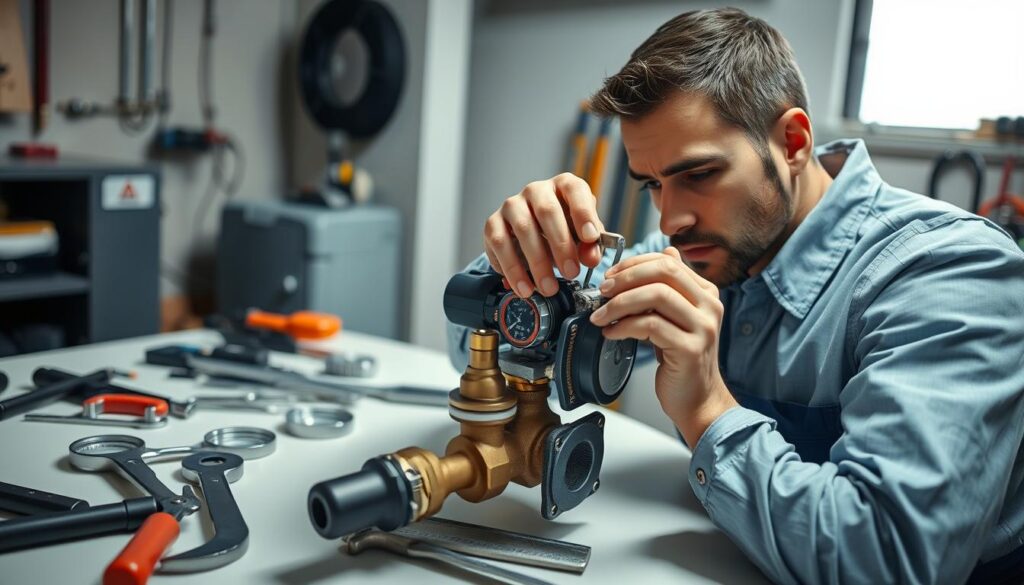
One of the first signs of a malfunctioning valve is uneven cooling. If some rooms feel colder than others, it could indicate an issue with refrigerant flow12. Another red flag is ice buildup on the evaporator coil, which reduces system efficiency by up to 15%12.
Abnormal pressure readings are also a common indicator. For example, low superheat suggests overfeeding, while high superheat points to underfeeding. Monitoring these levels can help you catch problems early.
Here’s a quick summary of early warning signs:
| Sign | Possible Cause | Action |
|---|---|---|
| Uneven Cooling | Refrigerant flow imbalance | Check valve and sensing bulb |
| Ice Buildup | Faulty valve or low refrigerant | Inspect evaporator coil |
| High Energy Bills | Inefficient valve operation | Monitor pressure levels |
Expert Insights for Reliable HVAC Performance
Regular maintenance is key to preventing valve issues. Routine checks can prevent up to 50% of common HVAC problems12. For example, cleaning air filters and ensuring proper refrigerant levels can significantly improve performance.
If your system is over 10 years old, consider replacing the valve to avoid frequent repairs13. Upgrading to a modern valve can enhance cooling capacity by up to 25%, especially during peak summer months12.
Here are some insider tips for maintaining your system:
- Inspect the Sensing Bulb: Ensure it’s securely fastened and insulated for accurate readings.
- Monitor Refrigerant Levels: Low levels can decrease valve performance by 40%12.
- Schedule Professional Check-Ups: Regular inspections can extend the valve’s lifespan by 20-30%12.
By staying proactive and addressing issues early, you can keep your HVAC system running smoothly and efficiently. If you’re unsure about any signs, consult a trusted technician for a thorough diagnosis.
Exploring the Transition from TXV to EEV Systems
Thinking about upgrading your HVAC system? The shift from traditional TXV to modern EEV technology might be worth considering. While TXVs have been a reliable choice for years, Electronic Expansion Valves (EEVs) are gaining traction for their precision and efficiency. In this section, we’ll explore how EEVs compare to TXVs and why they might be the better choice for your home.
Advantages of Electronic Expansion Valves versus Mechanical TXVs
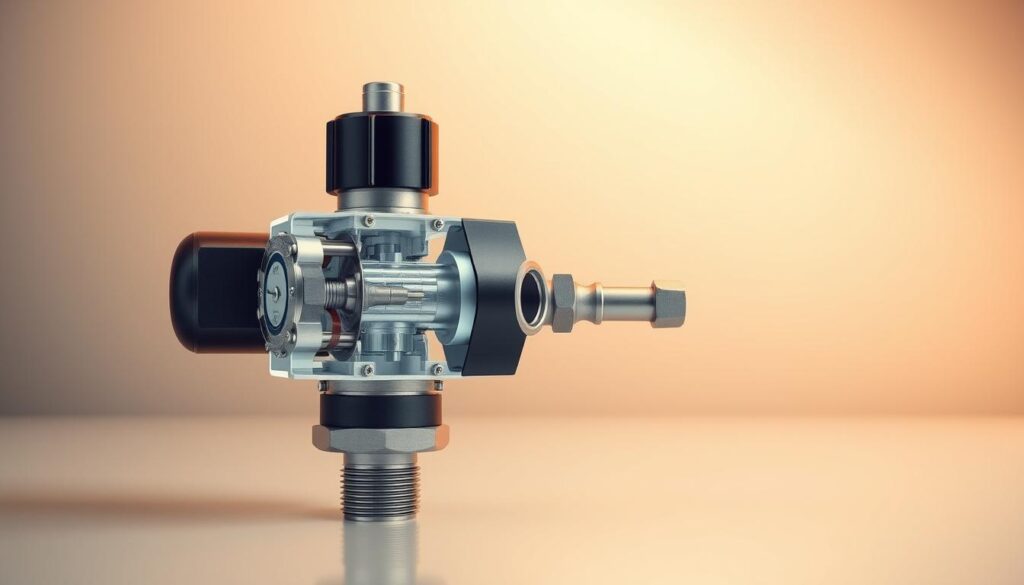
EEVs offer several advantages over traditional TXVs. Unlike mechanical valves, EEVs use sensors to monitor refrigerant flow and adjust in real-time. This ensures optimal performance, even under varying load conditions14. For example, EEVs can maintain evaporator superheat at minimum values, enhancing energy efficiency15.
Another benefit is their ability to adapt quickly to changes in pressure and temperature. This reduces the risk of refrigerant leaks and improves overall system reliability14. Additionally, EEVs have fewer mechanical parts, which means less maintenance and longer lifespan14.
Cost Considerations and Long-Term Reliability
While EEVs may have a higher upfront cost, their long-term benefits often outweigh the initial investment. For instance, systems with EEV controllers can reduce energy consumption by up to 20%, leading to lower utility bills14. Over time, these savings can offset the higher purchase price.
Manufacturers are increasingly adopting EEV technology due to its reliability and efficiency. If your HVAC system is over 10 years old, upgrading to an EEV could improve cooling capacity by up to 25%15. This makes it a cost-effective choice for homeowners looking to enhance comfort and reduce energy costs.
In summary, EEVs provide precise control, reduced maintenance, and long-term savings. If you’re considering an upgrade, weigh the upfront costs against the potential benefits to make an informed decision.
Harnessing Industry Data and Research for Smarter HVAC Decisions
Are you curious about how the latest HVAC innovations can improve your home’s comfort and efficiency? Staying informed about industry trends and research can help you make smarter decisions for your system. Let’s explore the latest findings and how they’re shaping the future of HVAC technology.
Latest Industry Efficiency Statistics and Research Findings
Recent studies show that modern HVAC systems with advanced refrigerant control can achieve SEER ratings as high as 2316. This improvement translates to significant energy savings and better performance. For example, the 4SCU23LX air conditioner boasts a SEER rating of up to 23, making it one of the most efficient units on the market16.
Noise reduction is another area of innovation. Models like the Ion 19 variable-speed air conditioner operate at noise levels as low as 56 decibels, ensuring a quieter home environment16. These advancements are driven by consumer demand for both efficiency and comfort.
How Trends Are Shaping HVAC System Innovations
Increasing SEER requirements have spurred technological advancements in refrigerant control and sensor technology. For instance, the VSA3BE Series air conditioner is the first product rated for the 2023 DOE SEER2 regulations16. This trend highlights the industry’s focus on meeting stricter efficiency standards.
Electronic controls are also replacing mechanical components, offering greater precision and reliability. Systems with EEV controllers can reduce energy consumption by up to 20%, making them a cost-effective choice for homeowners17.
Here are some actionable insights based on current research:
- Upgrade to High-Efficiency Models: Units like the 4SCU23LX can improve energy savings by up to 25%16.
- Consider Noise Levels: Opt for models with advanced noise-reduction technologies for a quieter home16.
- Check Warranty Benefits: Many systems offer up to 10-year limited parts and compressor warranties, providing long-term peace of mind16.
By staying informed about these trends, you can make smarter decisions for your HVAC system, ensuring it meets your needs for years to come.
Conclusion
Keeping your home comfortable and energy-efficient starts with understanding your HVAC system’s key components. The valve plays a crucial role in regulating refrigerant flow, ensuring your system operates at peak performance. Proper installation, like securing the bulb and maintaining the right pressure, can prevent issues and extend your unit’s lifespan18.
If you notice uneven cooling or rising energy bills, it might be time to troubleshoot. Regular maintenance, such as checking the evaporator and ensuring proper refrigerant levels, can save you from costly repairs19. For those considering upgrades, transitioning to modern type systems like EEVs can enhance efficiency and reliability20.
Remember, every HVAC challenge has a solution. Use this guide as your roadmap to optimize your system. When in doubt, consult a professional to ensure your home stays comfortable and energy-efficient. With the right care and knowledge, you can enjoy a more efficient and reliable HVAC system for years to come.
FAQ
How does a TXV valve improve HVAC efficiency?
Where should the sensing bulb be placed during TXV installation?
What are common signs of TXV valve failure?
How does a TXV differ from an electronic expansion valve (EEV)?
What should I avoid during TXV installation?
How does refrigerant flow control impact HVAC systems?
What are the benefits of upgrading to an EEV system?
How can I identify early signs of TXV malfunction?
Source Links
- Understanding the TXV
- Unlock the Hidden Efficiency of Your HVAC System with the TXV Thermal Expansion Valve
- The Thermal Expansion Valve (TXV) Explained | United CoolAir
- What is a Thermostatic Expansion Valve (TXV)?
- Unlock the Hidden Efficiency of Your HVAC System with the TXV Thermal Expansion Valve
- TXV Valves in HVAC | Complete Guide
- Understanding Thermostatic Expansion Valves | Summit Heating & A/C
- Latest News
- Unlock the Hidden Efficiency of Your HVAC System with the TXV Thermal Expansion Valve
- How to Diagnose a Thermostatic Expansion Valve Failure
- The Trouble with TXVs: Diagnosing the Problem
- Hiring a Professional For TXV Maintenance and Repair
- Understanding Your Air Conditioner’s Expansion Valve
- Why Your HVAC Needs an EEV Controller?
- EEV’s vs TXV’s
- Residential Cooling Showcase 2023
- IM2503SG1.indd
- Unlock the Hidden Efficiency of Your HVAC System with the TXV Thermal Expansion Valve
- When and How to Adjust a Thermostatic Expansion Valve (TXV) – techtown
- Why and How to Adjust a TXV/TEV


0 Comments