When summer heat hits, finding an efficient way to cool your space becomes a top priority. A portable air conditioner offers flexibility, allowing you to target specific areas without the hassle of permanent installation. But how long can you safely run it without compromising performance or energy efficiency?
Understanding continuous operation is key to maximizing comfort and minimizing costs. Factors like room temperature, humidity, and manufacturer guidelines play a significant role. For example, a 10,000 BTU unit running for 8 hours a day costs around $1.20, making it both practical and budget-friendly.
This guide dives into expert insights and real-life examples, like the EcoFlow WAVE 2, to help you make informed decisions. Let’s explore how to keep your space cool while saving energy and extending the life of your air conditioner.
Key Takeaways
- Most units can run continuously for 8-10 hours before needing a break.
- Room size and BTU rating directly impact efficiency.
- Proper maintenance, like cleaning filters monthly, ensures optimal performance.
- Energy Star-rated models meet strict efficiency guidelines.
- Turning off the unit for 15-20 minutes every 3-4 hours prevents overheating.
Overview of Portable Air Conditioners
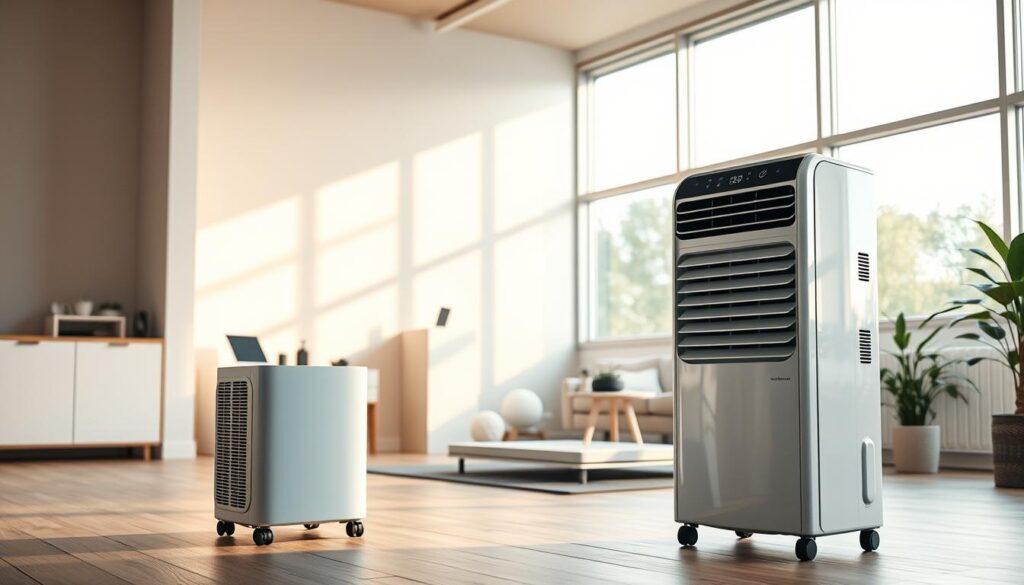
Staying cool during hot months doesn’t have to be complicated or expensive. A portable unit offers a flexible and efficient way to cool your space without permanent installation. These devices draw in warm air, cool it, and exhaust the heat outside, making them ideal for small rooms or apartments.
Defining Your Portable Air Conditioner
These units are self-contained systems designed for easy mobility. They’re perfect for targeting specific areas in your home, like a bedroom or office. Most models come with built-in filters that improve air quality while cooling, making them a practical choice for many households.
Different Types and Their Advantages
There are three main types: single-hose, dual-hose, and evaporative. Each has unique benefits:
- Single-hose: Affordable and energy-efficient, but less effective in larger spaces.
- Dual-hose: More efficient, as it avoids creating negative pressure in the room.
- Evaporative: Best for dry climates, using water to cool the air.
For example, a dual dual-hose system is often the best way to cool a space quickly and efficiently. It’s a great option if you’re looking to save money on energy bills while maintaining comfort.
| Type | Efficiency | Best For |
|---|---|---|
| Single-hose | Moderate | Small rooms |
| Dual-hose | High | Larger spaces |
| Evaporative | Climate-dependent | Dry areas |
Choosing the right model depends on your needs. Whether you’re cooling a small room or a larger area, there’s a portable unit that fits your budget and lifestyle. This guide will help you make the best choice for your home.
Portable AC Runtime Guide: Key Factors Affecting Continuous Operation
Keeping your space cool during the hottest months requires understanding how your cooling system operates. Manufacturers often design these units to run continuously for 8-10 hours before needing a break. Following these guidelines ensures your system stays efficient and avoids unnecessary strain.
Manufacturer Recommendations and Runtime Limits
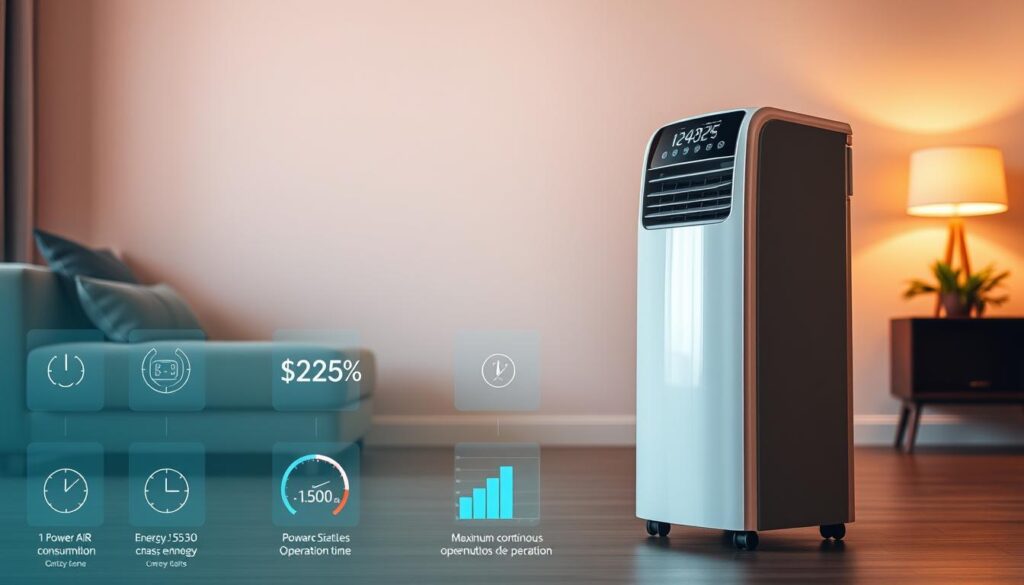
Most brands suggest turning off your unit for 15-20 minutes every 3-4 hours. This prevents overheating and extends the life of your system. Regular maintenance, like cleaning filters monthly, also plays a crucial role in maintaining performance.
Ignoring these recommendations can lead to higher energy bills and potential system failure. For example, a clogged filter can reduce efficiency by up to 15%, forcing the unit to work harder and consume more power.
Impact of Room Temperature and Humidity on Run Time
Room conditions significantly affect how long your system can run efficiently. Higher temperature and humidity levels increase the workload, leading to longer runtimes. In humid climates, the unit may need to run continuously to maintain comfort.
Small changes, like keeping blinds closed on sun-facing windows, can reduce indoor temperature by 5-10°F. This simple step can lower the workload on your system and save energy.
By understanding these factors, you can optimize your cooling system’s performance and enjoy a comfortable space without overworking your unit.
Assessing Energy Efficiency and Cost Considerations
Managing energy costs while staying cool is easier than you think. By understanding how your cooling system consumes energy, you can make smarter choices that save money and reduce your environmental impact. Let’s explore practical ways to calculate energy use, improve efficiency, and lower your bills.
Calculating Energy Consumption and Operating Costs
To estimate your energy costs, start by checking your unit’s wattage and your local utility rate. For example, a 1,000-watt system running for 8 hours at $0.12 per kWh costs about $0.96 per day. Multiply this by 30 to get your monthly expense.
Heat generation plays a big role in energy use. A well-insulated space reduces the workload on your system, saving up to 20% on cooling costs. Sealing windows and using blackout curtains can also make a significant difference.
Energy Star Ratings and Saving Modes for Better Efficiency
Energy Star-rated models meet strict guidelines for efficiency, often using 10-15% less energy than standard units. Look for features like programmable timers and sleep modes, which adjust cooling output based on your needs.
For example, a unit with an EER (Energy Efficiency Ratio) of 12 provides 12,000 BTUs of cooling for every 1,000 watts of energy. Higher EER ratings mean better performance and lower bills.
| Model | EER Rating | Annual Savings |
|---|---|---|
| Standard Unit | 10 | $0 |
| Energy Star Unit | 12 | $120 |
| High-Efficiency Unit | 15 | $180 |
By choosing the right model and optimizing your setup, you can enjoy a cool, comfortable space without breaking the bank. Small changes, like using energy-saving modes and maintaining your system, add up to big savings over time.
Optimizing Your Portable AC Setup for Continuous Use
Maximizing the efficiency of your cooling system starts with smart setup choices. A well-placed unit can make your space feel like a crisp summer morning, even on the hottest days. Let’s explore how to get the most out of your device with proper placement, ventilation, and smart controls.
Tips on Proper Placement and Ventilation
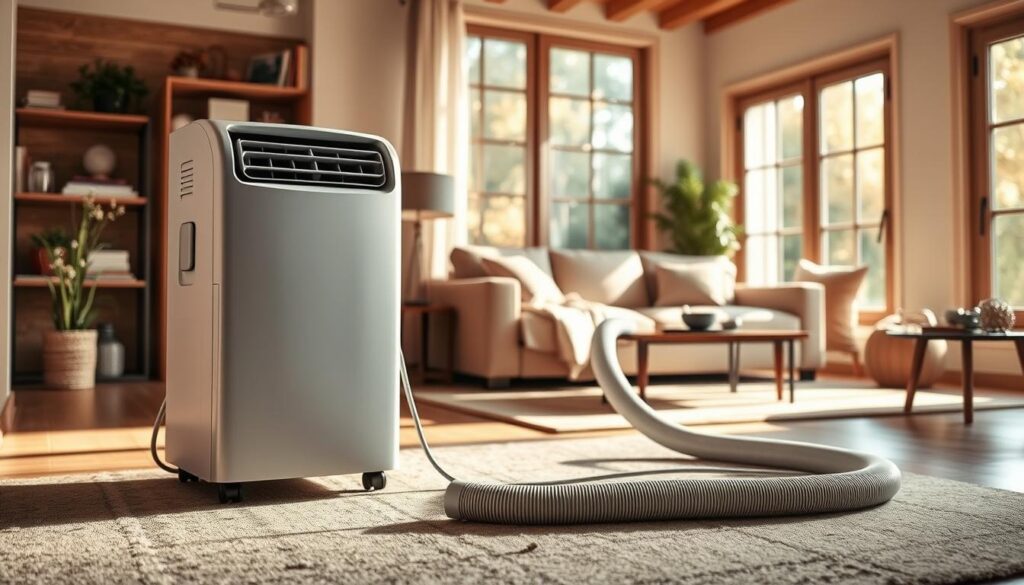
Where you place your cooling system matters. Position it near a window for easy venting, but avoid direct sunlight. This reduces the workload and keeps your device running smoothly. Ensure there’s at least 20 inches of clearance around the unit for optimal airflow.
Sealing gaps around windows and doors can prevent warm air from sneaking in. This simple method helps your system maintain the desired temperature without overworking. For example, using weather stripping can save up to 10% on your bill.
Using Timers and Smart Controls to Enhance Efficiency
Built-in timers are a game-changer. Set your device to cool your space before you arrive home, avoiding constant restarts. This not only saves energy but also extends the life of your system. Models like the EcoFlow WAVE 2 offer smart controls that adjust settings automatically.
Smart controls can detect when the room reaches the desired temperature and reduce output. This prevents overcooling and keeps your bill in check. For instance, programming your device to run less during cooler parts of the day can cut energy use by 15%.
Experiment with different schedules to find what works best for your routine. A well-optimized setup ensures comfort without unnecessary costs.
Addressing Safety Concerns and Operational Myths
Many people wonder if running their cooling unit all day is safe or harmful. The good news is that modern designs are built for sustained use, making continuous operation a viable option. However, understanding how to maintain your system is key to ensuring it works efficiently and safely.
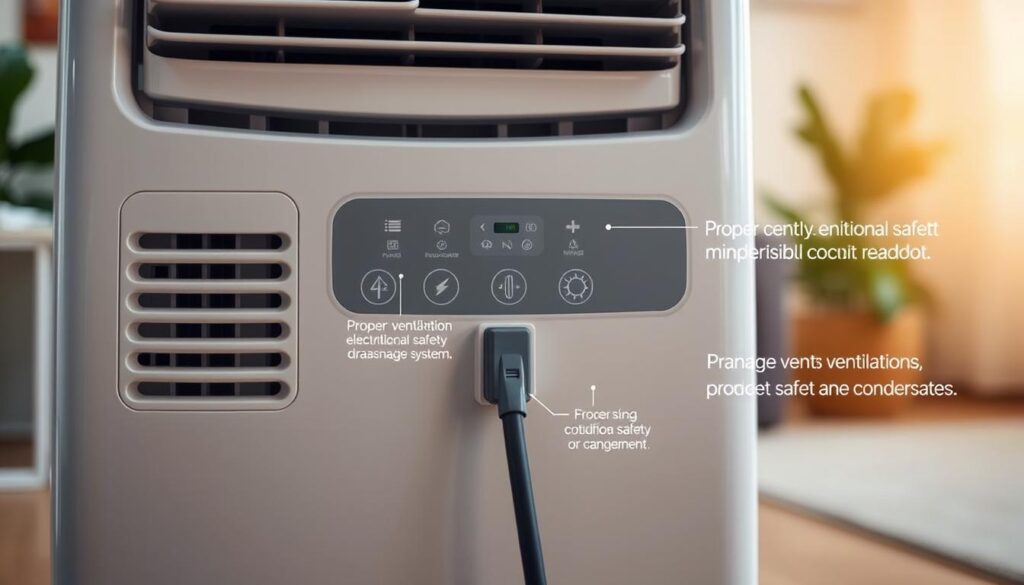
Is It Safe to Run Your Cooling Unit Continuously?
Yes, it’s safe to run your unit for extended periods if you follow proper maintenance practices. Regular cleaning of filters and ensuring unobstructed airflow are essential. For example, dusting the unit for a few minutes each week can prevent larger issues and reduce energy consumption.
Manufacturers often recommend turning off the unit for 15-20 minutes every 3-4 hours to prevent overheating. This simple step ensures your system stays in top condition and avoids unnecessary strain.
Debunking Common Misconceptions About Start-Up Cycles
One common myth is that turning your unit off and on frequently is beneficial. In reality, repeated start-up cycles can stress the compressor, leading to higher energy consumption and potential damage. Continuous operation can actually be the better option for maintaining comfort and efficiency.
Another misconception is that these units require constant supervision. Modern designs are self-sufficient and equipped with safety features like automatic shut-off to prevent overheating. By following manufacturer guidelines and performing routine cleaning, you can trust your system to work reliably minute by minute.
Remember, a few minutes of extra care can save you from costly repairs and keep your space cool and comfortable.
Enhancing Durability with Regular Maintenance and Smart Practices
Taking care of your cooling system ensures it lasts longer and works better. Regular maintenance not only keeps your unit in top condition but also prevents unexpected breakdowns. By following a few simple steps, you can extend its life and improve its efficiency.
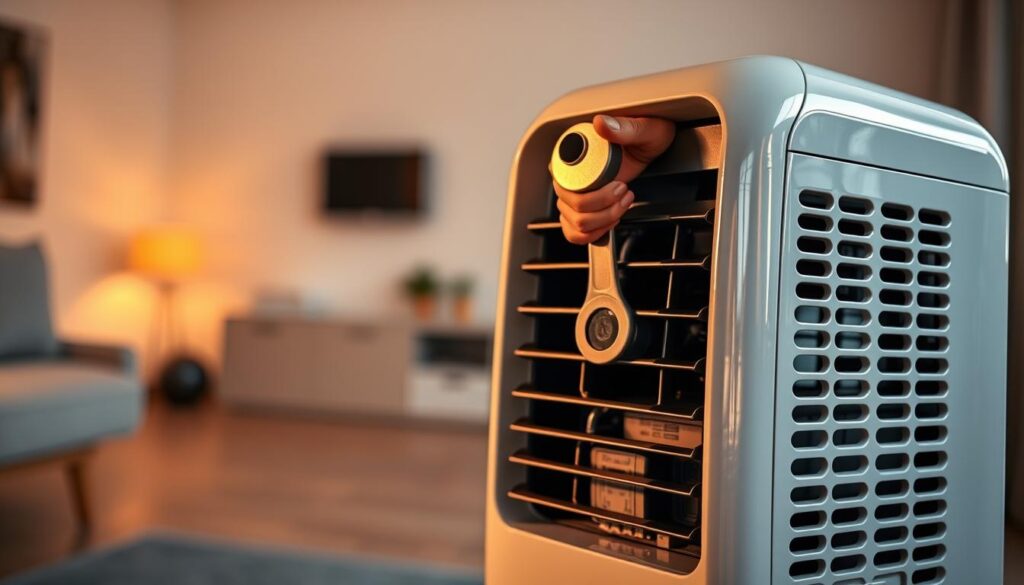
Cleaning Filters, Condenser Coils, and Routine Care
Cleaning your filters monthly is one of the easiest ways to maintain your system. A clogged filter can reduce airflow, forcing the compressor to work harder. This increases energy use and can lead to overheating.
Don’t forget the condenser coils. Cleaning them at least once a year removes dirt and debris, ensuring optimal performance. A well-maintained system runs smoothly and avoids unnecessary rest periods.
Regular checks can catch minor issues before they become major problems. For example, inspecting the unit for leaks or unusual noises can save you from costly repairs. A little care goes a long way in keeping your system in great condition.
Alternate Cooling Methods and Noise Reduction Tips
When your primary system needs a break, alternate cooling methods can help. Fans or evaporative coolers are great solutions for reducing strain on your main unit. They also provide a quieter environment, perfect for restful sleep.
Noise reduction is another key factor. Placing your unit on a soft surface or using noise-dampening pads can make a big difference. Running it in modes like Eco or Sleep also reduces sound levels while maintaining comfort.
By combining regular maintenance with smart practices, you can enjoy a cool, quiet space without overworking your system. These simple steps ensure your unit stays efficient and reliable for years to come.
Conclusion
Ensuring your cooling system performs efficiently year after year requires a mix of smart practices and regular care. By following manufacturer guidelines, cleaning filters monthly, and optimizing placement, you can achieve a positive result in both comfort and energy savings.
Regular maintenance not only extends the life of your unit but also helps create an eco-friendly environment at home. Simple steps like sealing windows and using energy-saving modes can make a big difference. These practices ensure your system runs smoothly, even during the hottest months.
We encourage you to implement these tips and share your experiences. Together, we can build a community focused on efficient cooling solutions. Start today and enjoy a comfortable year ahead!
FAQ
What is a portable air conditioner?
How long can I run my portable air conditioner continuously?
Does room temperature impact the runtime of my portable air conditioner?
How can I calculate the energy consumption of my portable air conditioner?
Are Energy Star-rated portable air conditioners more efficient?
Where should I place my portable air conditioner for optimal performance?
Is it safe to run my portable air conditioner all day?
How often should I clean the filter on my portable air conditioner?
Can I use a timer or smart controls with my portable air conditioner?
What are some alternate cooling methods to reduce reliance on my portable air conditioner?
Source Links
- How Long Can You Run A Portable Air Conditioner Continuously? – EcoFlow US Blog
- How Long Can You Run A Portable Air Conditioner Continuously
- Ultimate Guide To Portable Air Conditioners: What You Need To Know
- How Long Can You Run A Portable Air Conditioner Continuously
- The Best Portable Air Conditioners for Keeping Cool, Tested and Reviewed
- How Long Can You Run A Portable Air Conditioner Continuously
- How Long to Run AC in a Day: A Hawaii Homeowner’s Guide
- Energy Efficiency of a Portable Air Conditioner: Saving on Electricity – Sensibo
- Understanding EER & Energy Efficiency
- Emergency Air Conditioning and Food Refrigeration
- How Long Can an AC Run Continuously? – Expert Insights
- How Long Can AC Run Continuously?
- How Long Can You Run A Portable Air Conditioner Continuously
- Life Sciences and Safety Course Updates
- Ultimate Guide To Portable Air Conditioners: What You Need To Know
- How Long Can You Run A Portable Air Conditioner Continuously
- How Long Can You Run A Portable Air Conditioner Continuously
- How Many Amps Does a Portable AC Use

0 Comments